

I. Introduction
Running a small business that imports home goods from China to Australia can be a tricky journey. There are numerous stumbling blocks that can derail your plans. I remember back in 2024, a client who was an apparel importer in Sydney tried to ship a large order of clothing from China. Due to a lack of knowledge about new biosecurity regulations at the time, a significant portion of his goods were held up at Port Botany for weeks, causing major delays in restocking his store. In 2026, with new policies and regulations in place, it's more important than ever to be well - informed to avoid such costly mistakes.
II. New Policies and Regulations in 2026
1. Biosecurity Updates
The Department of Agriculture, Fisheries and Forestry (DAFF) has tightened biosecurity measures in 2026. For home goods, items made from natural materials like wood, bamboo, or leather are under closer scrutiny. For example, wooden furniture must be treated to meet Australian standards to prevent the introduction of pests and diseases. I once had a client shipping wooden chairs from a Chinese trade factory to Melbourne. The chairs weren't properly treated, and they were quarantined at the Port of Melbourne. The client had to pay for additional treatment, which added a lot to the overall cost and caused a significant delay.
2. Customs Valuation Changes
The Australian Border Force (ABF) has updated its customs valuation methods. It's crucial to provide accurate invoices and documentation for your shipments. Incorrect valuation can lead to over - or under - payment of duties and taxes. If you under - value your goods, you may face penalties and additional fees later.
III. Common Pitfalls and How to Avoid Them
1. Incorrect Documentation
Problem: Many importers make the mistake of providing incomplete or incorrect documents. For example, missing the Harmonized System (HS) codes on the invoice can lead to delays in customs clearance. HS codes are used to classify goods for customs purposes, and an inaccurate code can cause misinterpretation of the goods' nature and value.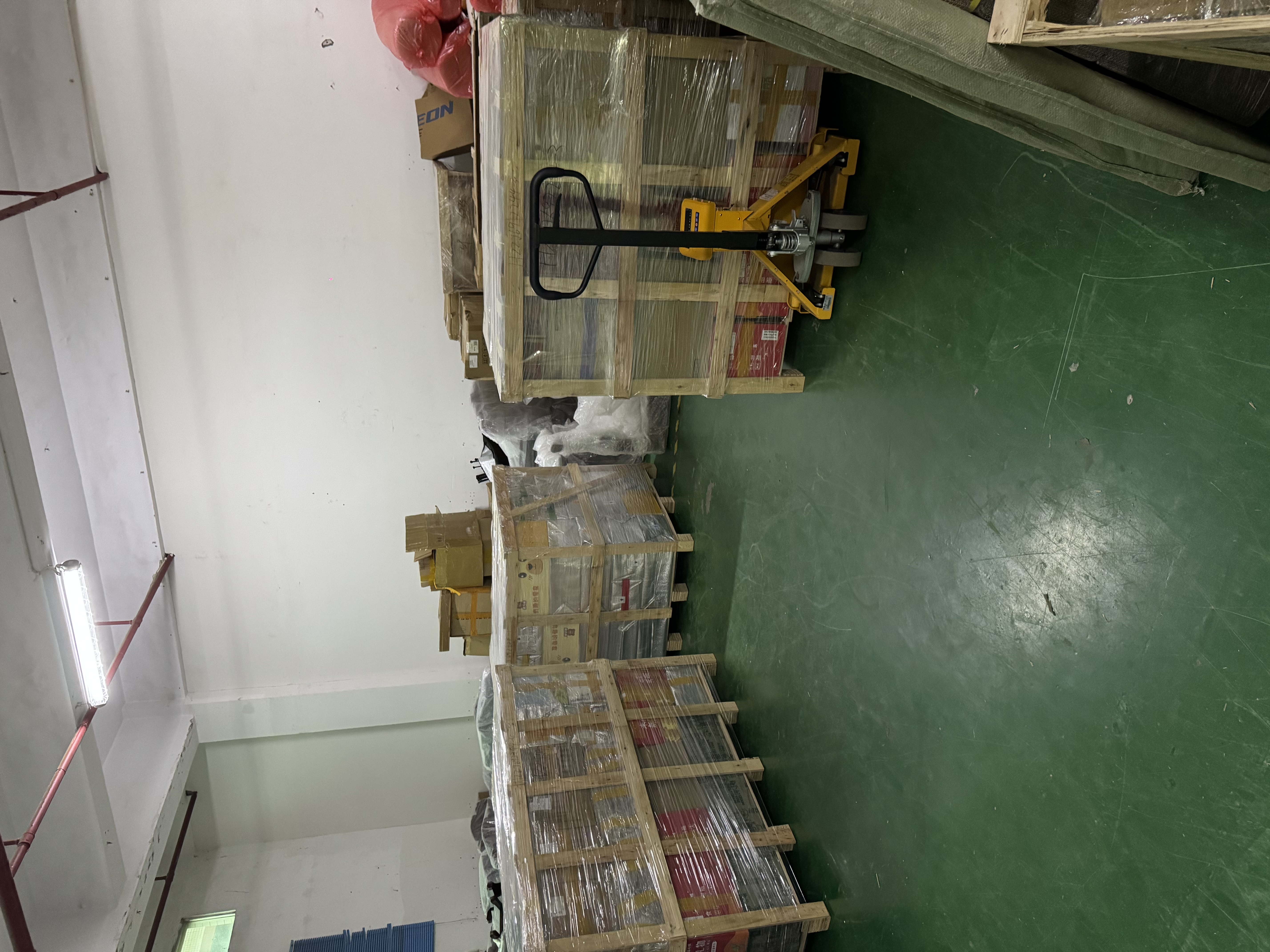
2. Ignoring Biosecurity Requirements
Problem: As mentioned earlier, not adhering to biosecurity regulations can result in your goods being seized, quarantined, or even destroyed. This is a huge financial loss for small business owners.Solution: Familiarize yourself with the DAFF's biosecurity guidelines. If you're shipping goods made from natural materials, make sure they are properly treated and certified. You can also work with a supplier in China who is aware of these requirements and can provide the necessary documentation.
3. Not Planning for Transit Times
Problem: Underestimating transit times can lead to stock shortages and unhappy customers. Shipping from China to Australia can take anywhere from 2 - 5 weeks, depending on the shipping method and the route.Solution: Plan your shipments well in advance. Consider the transit time when placing orders with your suppliers. You can also use a reliable shipping service, such as the [盛达国际物流]'s shipping services, which provide estimated transit times and can help you plan your inventory more effectively.
IV. Shipping Methods and Their Pros and Cons
1. Sea Freight
Advantages: Sea freight is generally more cost - effective for large shipments. It's suitable for home goods sellers who are shipping bulky items in large quantities. For example, if you're shipping a container full of home appliances from a trade factory in China to Brisbane, sea freight can save you a lot of money compared to air freight.Disadvantages: However, it has a longer transit time. You also need to be aware of potential delays due to bad weather, port congestion, or other unforeseen circumstances.
2. Air Freight
Advantages: Air freight is much faster, with an average transit time of 7 - 12 days. It's ideal for small, high - value items or when you need to restock your inventory quickly. If you're an apparel importer in Sydney and you need to get a new collection of clothes to your store in time for a seasonal sale, air freight is a good option.Disadvantages: It's more expensive than sea freight, which can eat into your profit margins if you're shipping large volumes of goods.
V. Tips for a Successful Shipment
1. Choose the Right Freight Forwarder
A good freight forwarder can make a huge difference in your shipping experience. [盛达国际物流] has been in the business for years and has a deep understanding of the Australia - China shipping route. They offer a range of services, including full - service logistics solutions, customs clearance, and warehousing.
2. Stay Informed
Keep up - to - date with the latest policies and regulations. The DAFF and ABF regularly update their websites with new information. You can also join industry associations or forums to stay informed about any changes that may affect your shipments.
3. Insure Your Goods
Shipping goods overseas always carries a certain level of risk. Insuring your goods can protect you from financial losses in case of damage, loss, or theft during transit.
VI. FAQ
1. How can I ensure my goods comply with Australia's biosecurity requirements?
Well, you've got to do your homework first. Check the DAFF website for the latest biosecurity guidelines. If you're shipping natural materials, work with suppliers in China who can provide proper treatment and certification. You can also use a freight forwarder like [盛达国际物流], who has experience handling these regulations and can guide you through the process.
2. What should I do if my goods are held up at customs?
Don't panic. First, contact your customs broker or freight forwarder immediately. They can find out the reason for the hold - up. It could be due to incorrect documentation, a random inspection, or biosecurity issues. Based on the reason, they'll help you resolve the problem, whether it's providing additional documents or arranging for treatment of the goods.
3. Is air freight always a better option for urgent shipments?
Not necessarily. While air freight is faster, it's also more expensive. If you're shipping a very large quantity of goods, the cost may be prohibitive. You need to balance the urgency of your shipment with your budget. Sometimes, a combination of air and sea freight can be a good solution.
4. How do I choose the right HS code for my goods?
It can be a bit tricky, but there are resources available. You can start by looking at the official HS code database. It's a comprehensive list of all the codes and their descriptions. You can also consult with a customs broker or a freight forwarder. They have the experience and knowledge to help you find the correct code for your goods.
5. Can I use a freight forwarder for all my shipping needs?
Yes, you can. A good freight forwarder like [盛达国际物流] can handle all aspects of your shipment, from booking the cargo space, arranging for pick - up and delivery, to handling customs clearance. They can also provide additional services like warehousing and insurance. It can save you a lot of time and hassle.
