

I. Introduction
Hey there, Australian small business owners, importers, and e - commerce sellers! In 2026, sea shipping remains a popular choice for its cost - effectiveness when importing from China. But let me tell you, there are plenty of hidden pitfalls that can turn what seems like a great deal into a nightmare. I've been in the cross - border logistics game for years, and I've seen firsthand the problems that can arise. So, let's dive into what you need to watch out for.
II. Policy - related Pitfalls (30% of the content)
The Australian Border Force (ABF) and the Department of Agriculture, Fisheries and Forestry (DAFF) have tightened their regulations in 2026. One of my clients, a home goods seller in Sydney, imported a large shipment of wooden furniture. He didn't know about the new stricter biosecurity requirements for wood products. As a result, the shipment was held at Port Botany for almost two weeks. The goods had to undergo additional inspections and treatments, which led to extra costs and significant delays.
The specific scenario was that the client thought his supplier had taken care of all the necessary certifications. But in reality, the new regulations demanded a more detailed phytosanitary certificate. The problem encountered was the lack of proper documentation, which caused the goods to be detained. The final outcome was a severe disruption to his business operations, with lost sales opportunities and increased expenses.
Another policy - related pitfall is the change in customs valuation rules. If you're not familiar with the new guidelines, you might under - value or over - value your goods. Under - valuation could lead to penalties and further inspections from the ABF, while over - valuation means you're paying more customs duties than necessary. For instance, a 3C electronics seller in Melbourne imported a batch of smartphones. Due to a misunderstanding of the new valuation method, the declared value was too high. This led to an unnecessary increase in customs costs, cutting into the profit margins.
III. Shipping Company - related Pitfalls (15% of the content)
Some less - reputable shipping companies may offer very low - cost sea shipping options, but they come with a catch. I once had an apparel importer client from Brisbane who chose a shipping line based on price alone. The shipping company had a long - standing issue with schedule reliability. The container was delayed by almost 10 days, which was a disaster for the client as he had planned a big seasonal sale.
The specific scenario was that the client was attracted by the extremely low shipping fee. However, he didn't do enough research on the shipping line's track record. The problem encountered was the significant delay in the shipment, which affected the product launch. The final outcome was a loss of potential customers and damage to the brand's reputation.
Another common problem is hidden fees. Some companies may only show the base shipping cost at first, but later add on fees for fuel surcharges, equipment fees, or port congestion fees. You'll suddenly find that what seemed like an affordable option has become much more expensive.
IV. Supplier - related Pitfalls (15% of the content)
Your Chinese suppliers can also cause problems in sea shipping. A trade factory in Sydney sourced a large quantity of building materials from a Chinese supplier. The supplier promised to pack the goods properly to withstand the long - distance sea journey. But when the goods arrived at Port of Melbourne, a large portion of them were damaged. The packaging was sub - standard, and the product quality was also not up to par.
The specific scenario was that the supplier assured the client of high - quality packaging and goods. However, to cut costs, they used inferior materials. The problem encountered was the damaged goods, which led to the need for returns and replacements. The final outcome was additional shipping costs, a delay in the construction project, and a loss of trust between the client and the supplier.
Another issue could be the supplier's incorrect documentation. If they mislabel the goods, provide inaccurate HS codes, or make other documentation errors, it can cause problems at the Australian customs.
V. Choosing the Right Logistics Provider: The Solution (30% of the content)
To avoid these pitfalls, choosing the right logistics provider is crucial. One excellent option is Shengda International Logistics. They have been focusing on the cross - border shipping business from China to Australia.
In - depth Local Knowledge: Shengda International Logistics has a deep understanding of the latest Australian policies, including customs regulations and biosecurity requirements. For example, they are well - versed in helping clients get the correct phytosanitary certificates for wooden products, avoiding the kind of issues faced by the home goods seller in Sydney.Reliable Shipping Partners: They partner with reliable shipping lines. This ensures that your shipments are on time and reduces the risk of unexpected delays. They also have a good track record of dealing with shipping company - related issues, such as hidden fees, and can negotiate better terms for you.
Supplier Supervision: Shengda International Logistics can supervise your Chinese suppliers. They can ensure that the goods are packed correctly and that all documentation is accurate. This was exactly what the trade factory in Sydney needed to prevent the problems they faced with damaged goods and incorrect documentation.
Comprehensive Services: They offer a range of services, including shipping, customs clearance, and last - mile delivery. With a one - stop - shop service, you don't have to worry about coordinating different parties.
VI. FAQ
Q: I'm an e - commerce seller on a tight budget. Can Shengda International Logistics really help me save money? A: Absolutely. While they offer high - quality services, Shengda International Logistics uses its industry expertise to help you avoid unnecessary costs. For example, they can advise you on the correct valuation of goods to avoid overpaying customs duties. They also work with reliable partners to get better shipping rates.
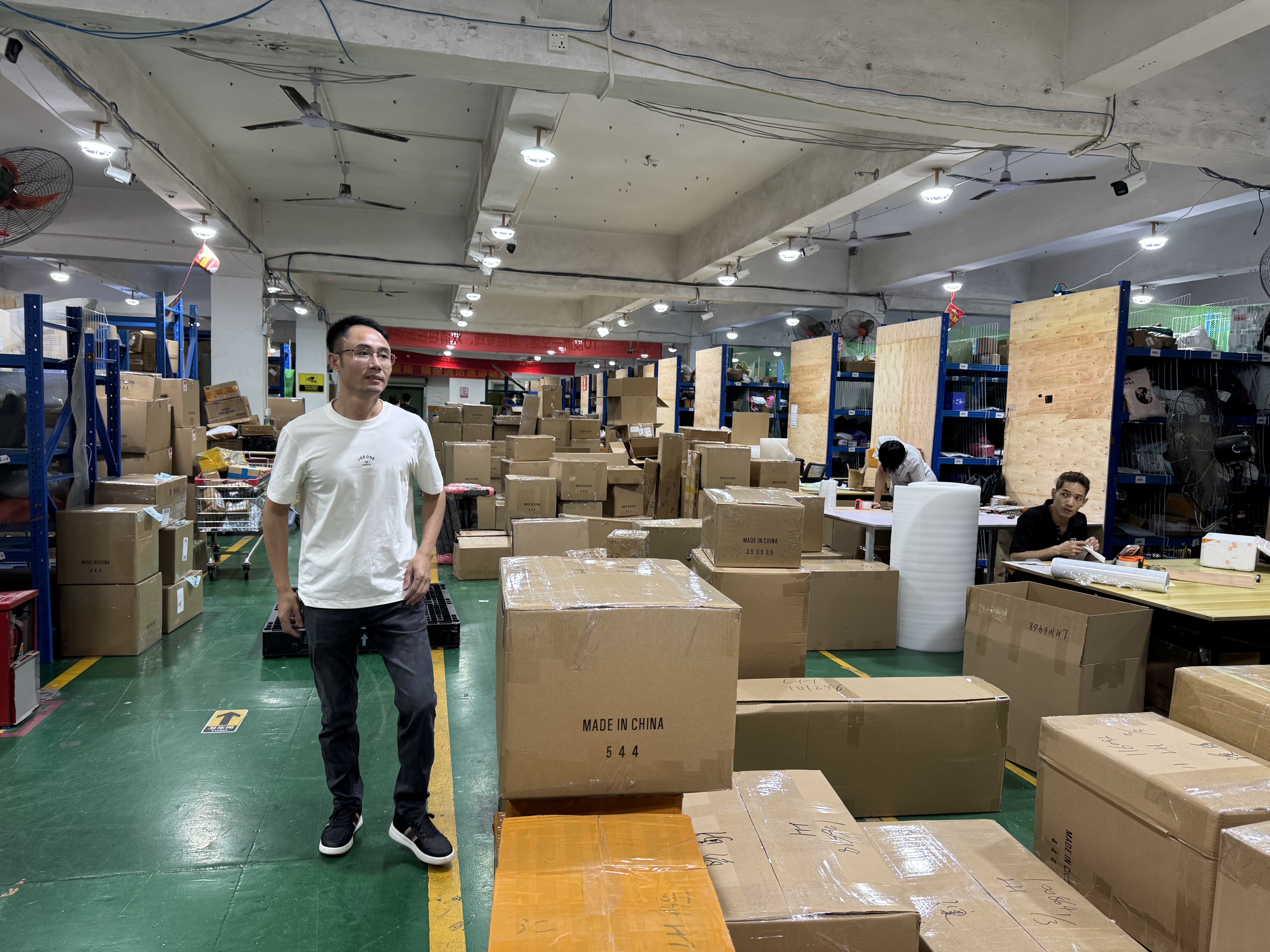
Q: I'm based in Brisbane. Can they handle shipping to my area? A: Yes, they cover all major cities and even some remote areas in Australia, including Brisbane. Their delivery network is extensive, and they can provide door - to - door service.
Q: What if my goods are damaged during shipping? A: Shengda International Logistics has a proper compensation mechanism. In case of damage due to their negligence, they will provide standard compensation according to the value of the goods.
Q: How can I track my shipment with them? A: They have a self - developed intelligent logistics system. You can log in to their system at any time to check the real - time status of your shipment, including when it's in transit, cleared through customs, and out for delivery.
Q: I'm worried about the new biosecurity regulations. Can they help me with that? A: Definitely. They are updated on the latest biosecurity policies in 2026. They can guide you through the process of getting the necessary certificates and ensure that your goods meet all the requirements to avoid detention at the port.
When it comes to affordable sea shipping to Australia in 2026, being aware of these potential pitfalls and choosing a reliable partner like Shengda International Logistics can make all the difference. So, take your time to research and make the right decisions for your business.
