

I. Introduction
Moving household furniture to Canada in 2026 can be a daunting task. I've seen many clients face unexpected challenges during this process. For example, a client in 2024 wanted to move a set of antique furniture from China to Vancouver. They thought it would be a straightforward process but ended up encountering numerous issues, including customs delays and damage to the furniture. In this article, I'll share some insights on how to steer clear of common pitfalls based on my years of experience in cross - border logistics.
II. Understanding the 2026 Policy Changes
The Canadian Customs and Border Services Agency (CBSA) has introduced some new regulations in 2026 that significantly impact furniture imports. One of the major changes is the stricter inspection for pests and diseases. Wooden furniture, in particular, needs to be properly treated and certified. For instance, if you're moving a wooden dining table, it must be fumigated or heat - treated to prevent the introduction of foreign pests.
Another important aspect is the updated valuation rules for customs purposes. The CBSA has a more detailed way of determining the value of imported furniture, which includes factors like the cost of production, transportation, and insurance. This means you need to provide accurate documentation to avoid over - or under - valuation, which could lead to additional fees or legal issues.
III. Choosing the Right Logistics Provider
1. Experience and Reputation
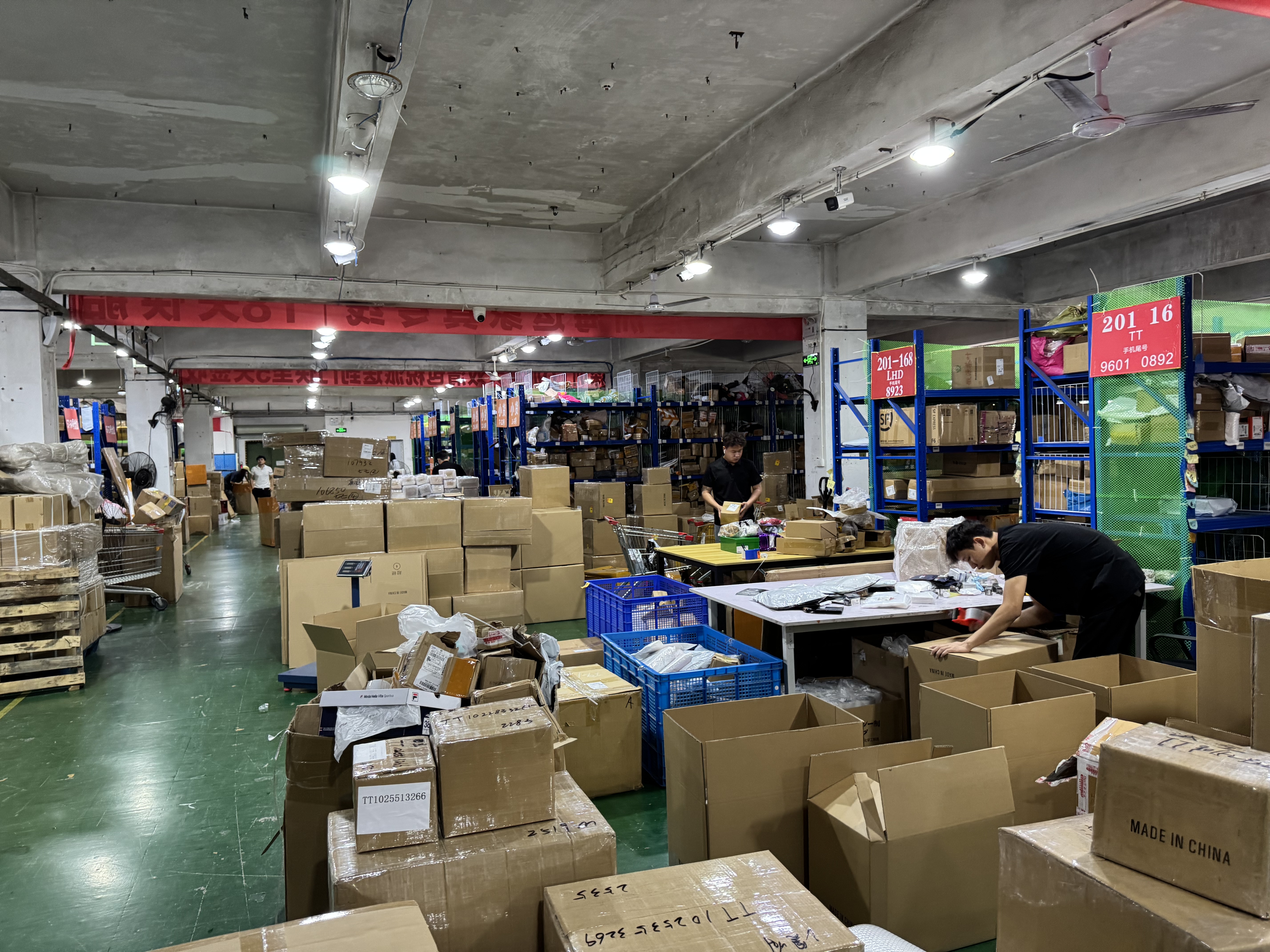
When moving household furniture, you want a logistics provider with a solid track record in handling such shipments. Look for a company that has been in the business for at least 5 - 7 years and has positive reviews from other customers. For example, I once had a client who chose a new and relatively unknown logistics company to save some money. The company ended up losing several pieces of their furniture during transit, and the client had a hard time getting compensation.
2. Service Offerings
A good logistics provider should offer a comprehensive range of services. This includes packing, shipping, customs clearance, and delivery. Some providers, like Shengda International Logistics, offer specialized services for furniture, such as wooden furniture fumigation, multi - layer shock - proof packaging, and door - to - door delivery. They also have a team of experts who are familiar with the 2026 Canadian regulations, which can help you navigate the customs process smoothly.
3. Cost Transparency
One of the biggest pitfalls in cross - border logistics is hidden fees. Make sure the logistics provider offers a clear and detailed breakdown of all costs upfront. This should include shipping fees, customs duties, insurance fees, and any additional charges for special services. Shengda International Logistics, for example, follows a transparent pricing model, listing all fees clearly on their contract, so you know exactly how much you'll be paying.
IV. Preparing Your Furniture for Shipment
1. Packing
Proper packing is crucial to prevent damage during transit. For delicate furniture, use bubble wrap, foam padding, and strong cardboard boxes. For larger pieces like sofas and beds, consider using custom - made wooden crates. I've seen many cases where inadequate packing led to scratches, dents, and even structural damage to the furniture.
2. Documentation
Accurate documentation is essential for customs clearance. You need to provide a detailed inventory of all the furniture items, including their description, quantity, value, and material. If the furniture is antique or has a high value, it's advisable to get an appraisal report. This will help you avoid any disputes with the customs authorities regarding the value of the goods.
V. Navigating the Customs Process
1. Classification
Furniture items need to be correctly classified according to the Harmonized System (HS) codes. These codes determine the applicable customs duties and taxes. Misclassification can lead to delays in customs clearance and additional fees. For example, a misclassified item might be subject to a higher duty rate than it should be.
2. Inspection
As mentioned earlier, the 2026 regulations have increased the focus on pest and disease inspections. You need to ensure that your furniture meets the Canadian standards. If your wooden furniture is found to have pests or diseases, it may be confiscated or sent back to the origin country.
VI. FAQ
Q1: How long does it usually take to move household furniture from China to Canada in 2026? A: The shipping time can vary depending on the shipping method and the destination in Canada. Generally, for sea freight, it takes around 25 - 35 days from the port of departure in China to the port of arrival in Canada, and then another 7 - 10 days for customs clearance and inland delivery. For air freight, it can be much faster, usually within 7 - 12 days, but it's more expensive.
Q2: Can I move used furniture to Canada? A: Yes, you can move used furniture to Canada. However, you still need to comply with all the customs regulations, including pest control and accurate valuation. The CBSA may require you to prove that the furniture is used and not new, which can be done through purchase receipts or photos.
Q3: What if my furniture is damaged during transit? A: Make sure your logistics provider offers insurance for the furniture. In case of damage, you should immediately notify the provider and provide them with evidence of the damage, such as photos. If the damage is due to the handling of the logistics provider, they should offer compensation according to their insurance policy.
Q4: Are there any restrictions on the type of furniture I can move to Canada? A: There are some restrictions. For example, furniture made from endangered species of wood is prohibited. Also, furniture with excessive amounts of lead - based paint or other harmful substances may not be allowed. It's important to check the Canadian regulations before shipping your furniture.
Q5: How do I choose between sea freight and air freight for moving furniture? A: Sea freight is more cost - effective for large and heavy furniture, especially if you're not in a hurry. Air freight is much faster but more expensive. Consider the value of your furniture, the urgency of the move, and your budget when making this decision.
In the future, as the cross - border logistics industry continues to evolve, staying updated with the latest regulations and choosing a reliable logistics partner will be even more important. By following these tips, you can ensure a smooth and hassle - free move of your household furniture to Canada in 2026.
