

I. Introduction
You're an Australian small business owner, importer, or e - commerce seller. In 2026, the rules of the game have changed when it comes to parcel consolidation to Australia. I've seen firsthand many of you facing issues with high costs, delays, and customs headaches. This article will walk you through what you need to know to avoid these pitfalls.
Let me tell you an anecdote. Back in early 2026, I had a client, a 3C electronics seller in Sydney. They decided to try a new parcel consolidation service they found online. They were lured by the low price, but they didn't do enough research. Their shipment got stuck at the Port Botany for weeks due to incorrect documentation, and by the time it was sorted out, they'd lost a huge sales opportunity during a peak shopping season.
II. 2026 Policy Updates
The 2026 Australian Border Force (ABF) and Department of Agriculture, Fisheries and Forestry (DAFF) policies have brought significant changes. There are stricter regulations on biosecurity. Items such as wooden products, food items, and even some textiles might require additional inspections and clearances. Before, you could easily send a small consignment of wooden homeware under a certain value without much hassle. Now, regardless of the value, it has to undergo a thorough biosecurity check.
The customs valuation processes have also been tightened. ABF is more vigilant about accurately assessing the value of goods. This means you can't undervalue your shipments to save on duties. If they suspect valuation fraud, you could face hefty fines and delays.
III. Choosing the Right Parcel Consolidation Service
1. Service Providers Analysis
There are several types of parcel consolidation services. Some offer a one - size - fits - all approach, while others specialize. For example, [Shengda International Logistics] focuses on China - Australia routes. They've built their expertise by serving only specific regions, which means they understand the local policies and customs requirements inside out.
In contrast, larger multi - regional logistics companies might be more generalized. They offer a wide range of services around the world, but they may not have the in - depth knowledge of the nuances of the China - Australia route.
2. Key Selection Criteria
Experience: Look for a company that has been in the business for a while. A service with at least 5 - 7 years of operation in the China - Australia market is a good sign. They've likely seen and overcome various challenges, like the sudden policy changes in 2026.Reviews and Reputation: Check online reviews and ask for references. A company with positive feedback from other Australian importers and e - commerce sellers is more likely to deliver a good service.
Price Transparency: Avoid services that have hidden fees. [Shengda International Logistics] follows a transparent pricing model, clearly stating all the costs upfront, including shipping, consolidation, and any potential customs fees.
IV. The Parcel Consolidation Process (A Deep Dive - 40% of the Article)
1. Shipping to the Consolidation Warehouse
Once you've sourced your products from China, you'll send them to the consolidation warehouse. The shipping method here can be air or sea freight, depending on your needs. For urgent and light shipments, air freight is ideal. It usually takes about 7 - 10 days, but it comes at a higher cost. Sea freight is more cost - effective for larger quantities but can take around 25 - 30 days.
When sending products, you need to ensure correct labeling. Put the consolidation warehouse's address clearly on each package, along with a unique identifier for your business. This helps the warehouse staff easily identify and sort your goods.
2. Warehouse Operations
At the consolidation warehouse, your parcels go through a series of steps. First, they're inspected for any damage. If there are any damaged items, the warehouse staff will usually take photos and contact you.
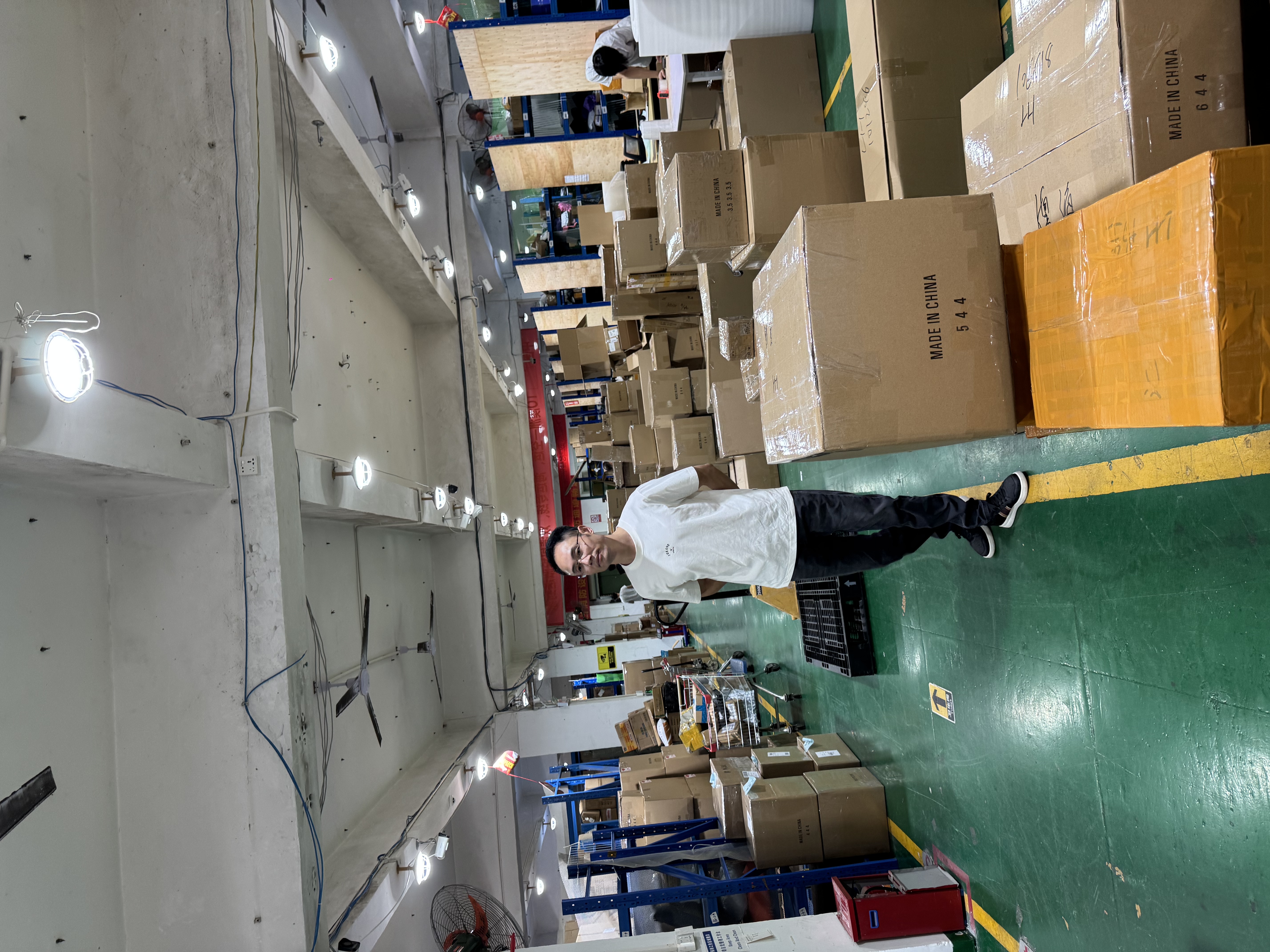
Next, they'll do a quality check. This is important to make sure the products meet your standard. For example, if you're an apparel importer, they'll check for loose threads, color discrepancies, etc.
After that, the staff will start the consolidation process. They'll combine your multiple parcels into one or a few larger shipments. This not only saves on shipping costs but also simplifies the customs process. But here's the crucial part: they need to prepare accurate documentation. The packing list should detail every item in the shipment, including the quantity, description, and value. Incorrect documentation can lead to customs hold - ups.
3. Customs Clearance
When the consolidated shipment reaches Australia, it will go through customs clearance. The ABF will inspect the documentation to ensure everything matches the actual goods. They'll also check for compliance with biosecurity and customs regulations.
If your shipment is selected for a random check, it could take a bit longer. For biosecure items, the DAFF will carry out additional inspections. For instance, if you have a shipment with Chinese herbal tea (a sensitive item), it will need to pass chemical and biological tests to prove it's safe for consumption in Australia.
Once the customs clearance is successful, your shipment will be ready for delivery to your business location in cities like Sydney, Melbourne, or Brisbane.
V. Common Pitfalls and How to Avoid Them
1. Incorrect Documentation
As mentioned earlier, incorrect documentation can cause major delays. To avoid this, double - check all the details in the packing list and other customs documents. You can also rely on a professional logistics service like [Shengda International Logistics]. Their experienced staff are well - versed in preparing accurate documents, which reduces the risk of customs issues.
2. Biosecurity Risks
Don't assume that small items are exempt from biosecurity checks. Make sure you're aware of what items are restricted or prohibited. If you're sending a gift basket with some food items from China, declare them accurately. Ignoring biosecurity rules can result in the seizure of your entire shipment.
3. Reliance on Unreputable Services
Avoid choosing a parcel consolidation service just because it's cheap. A low - cost option might lack the expertise and resources to handle your shipments properly. Do your due diligence, read reviews, and ask for advice from other business owners in your industry.
VI. FAQ
Q: How much can I save by using parcel consolidation? A: The savings can vary depending on the size and nature of your shipment. On average, you can save around 20% - 30% on shipping costs. For example, if you're shipping multiple small parcels separately, the combined cost may be much higher than consolidating them into one large shipment. [Shengda International Logistics] can help you calculate the exact savings based on your specific requirements.Q: What if my shipment gets held up at customs? A: If your shipment is held up at customs, the first thing to do is to contact your logistics provider. They should be able to assist you in finding out the reason. Usually, it's due to incorrect documentation or biosecurity issues. With a professional service like [Shengda International Logistics], they'll work with you to resolve the problem as quickly as possible.
Q: Can I send sensitive items through parcel consolidation? A: Yes, some logistics companies offer services for sensitive items. [Shengda International Logistics] has a sensitive goods compliance专线. They have a dedicated channel for items like food, cosmetics, and带电产品. They'll follow the proper procedures to ensure your sensitive items pass customs inspection.
Q: How do I know if a parcel consolidation service is reliable? A: Check their experience, reviews, and reputation. A company with a long - standing presence in the market and positive feedback from other customers is a good sign. Also, look for transparency in pricing and communication. [Shengda International Logistics], for example, has a great reputation among Australian importers and e - commerce sellers due to its reliable service and clear pricing.
Q: What's the typical transit time for a consolidated shipment from China to Australia? A: It depends on the shipping method. For air freight, the transit time is usually around 7 - 12 days. Sea freight takes longer, approximately 25 - 35 days. However, these are just estimates, and unforeseen circumstances like bad weather or port congestion can cause delays.
