

I. Introduction
In 2026, shipping bulk orders from China to Canada has become a common practice for many Canadian small business owners, importers, and e - commerce sellers. However, the process is filled with numerous potential pitfalls. I've seen many clients face issues like unexpected costs, long delays, and even lost shipments. In this article, I'll share my hands - on experience to help you avoid these problems.
II. Common Pitfalls in Bulk Order Shipping
1. Cost - related Pitfalls
One of the most common issues I've encountered is hidden costs. Many shipping providers may not disclose all the fees upfront. For example, there could be additional charges for customs clearance, documentation processing, or port handling fees. I had a client in 2026, a 3C electronics seller from Toronto. He chose a shipping service based on a low initial quote but later found that the final cost was almost 30% higher due to these hidden fees.
Another cost - related problem is currency exchange fluctuations. As the value of the Canadian dollar and the Chinese yuan can change, it can significantly impact the final shipping cost. If you don't account for this in your budget, you might end up paying more than expected.
2. Customs and Regulatory Pitfalls
Customs regulations are constantly evolving, and in 2026, there have been some significant changes in the Canada - China trade. The Canadian Border Services Agency (CBSA) has tightened the inspection process, especially for certain types of goods. For instance, if you're importing home goods that contain certain chemical substances, you need to ensure that they meet the Canadian environmental and safety standards. Failure to do so can result in your shipment being held at the port for an extended period.
In addition, accurate HS codes are crucial. Using the wrong HS code can lead to incorrect customs duties calculation and potential fines. A home goods seller in Vancouver once misclassified their products, which led to a customs delay of roughly 14 days and a fine of CAD 2,000.
3. Logistics and Shipping Service Pitfalls
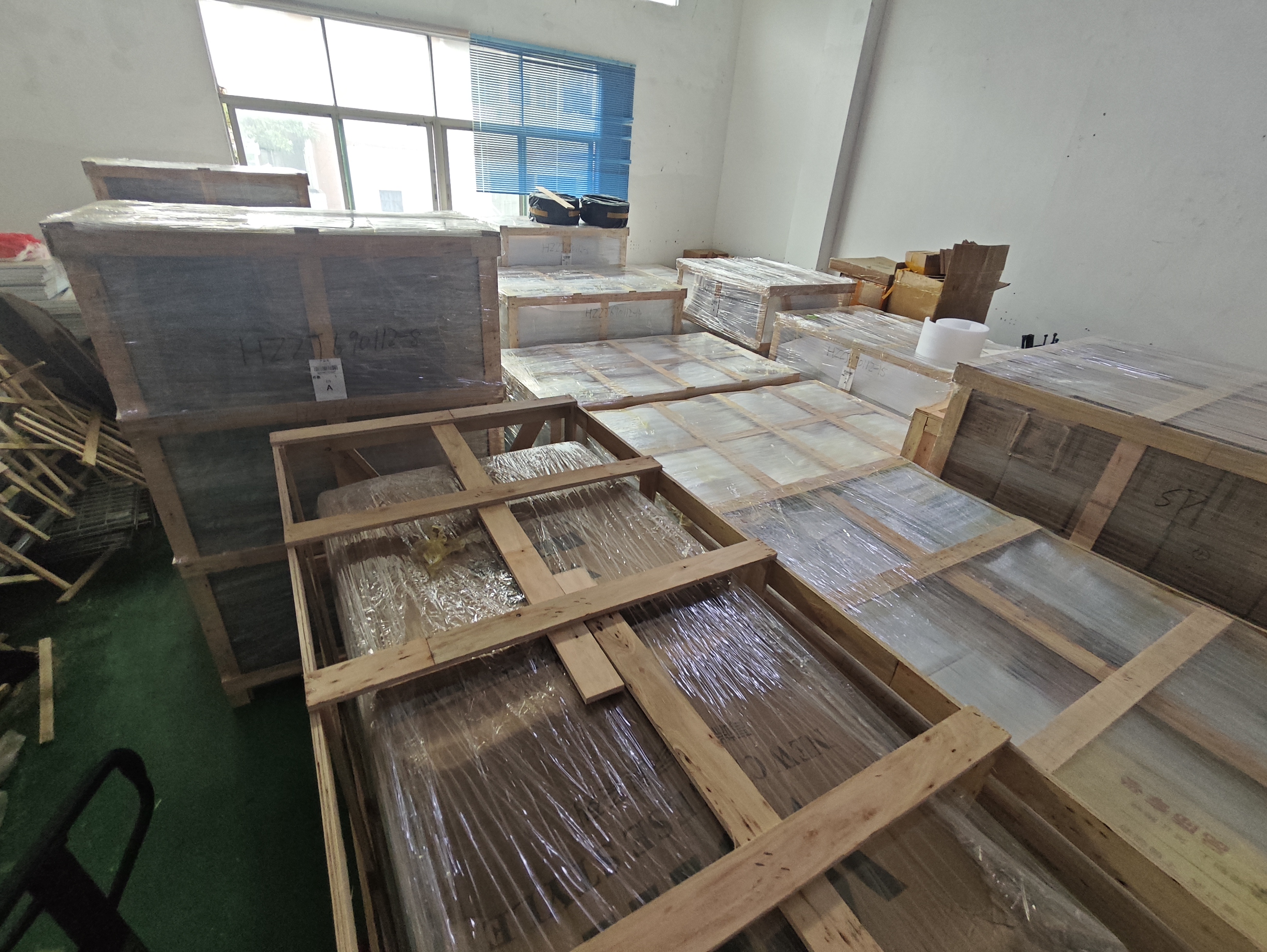
Shipping delays are a major headache. Congestion at Chinese ports, especially during peak seasons like Chinese New Year, can cause significant hold - ups. There could also be problems with the shipping carrier, such as mechanical issues with the vessel or flight cancellations.
Poor communication from the shipping service provider is another issue. I've had clients who were left in the dark about the status of their shipments, not knowing when their goods would arrive or if there were any problems.
III. In - depth: How to Avoid Cost - related Pitfalls (40% of the article)
1. Get a Comprehensive Quote
When selecting a shipping service provider, ask for a detailed quote that includes all possible fees. Don't just focus on the base shipping cost. A good quote should cover customs clearance fees, terminal handling charges, documentation fees, and any other potential surcharges.
Before finalizing the deal, compare quotes from at least 3 - 4 different providers. This way, you can get a better sense of the market price and also identify any unusually high or low quotes that might be a red flag.
2. Hedge Against Currency Fluctuations
To deal with currency exchange risks, you can consider using a currency hedging strategy. For example, you can enter into a forward contract with a bank or a financial institution. This allows you to lock in an exchange rate for a future date, which provides certainty in your shipping costs.
Another option is to work with a shipping provider that offers flexible payment options in multiple currencies. Some providers may allow you to pay in Chinese yuan, which can reduce the impact of currency fluctuations.
3. Plan Your Budget Carefully
Calculate all your shipping - related costs in advance and build a buffer into your budget. Consider factors like potential rate increases, additional fees, and currency fluctuations. A general rule of thumb is to add an extra 15 - 20% to your estimated shipping cost to account for unforeseen expenses.
For example, if your estimated shipping cost for a bulk order of home goods is CAD 10,000, you should budget around CAD 11,500 - CAD 12,000. This way, you won't be caught off - guard by unexpected costs.
IV. How to Avoid Customs and Regulatory Pitfalls
1. Stay Informed About Customs Regulations
Regularly check the official websites of the CBSA and relevant Chinese customs authorities for the latest regulations. You can also subscribe to industry newsletters or join trade associations to stay updated.
If possible, hire a customs broker who is familiar with the Canada - China trade. They can help you navigate the complex customs procedures, ensure accurate documentation, and classify your goods correctly.
2. Ensure Accurate Documentation
Prepare all the necessary documentation in advance and double - check for accuracy. This includes commercial invoices, packing lists, certificates of origin, and any other relevant permits. Inaccurate or incomplete documentation can lead to customs delays and fines.
For example, when importing food products from China, you need to provide detailed information about the ingredients, manufacturing process, and storage conditions to comply with the Canadian Food Inspection Agency (CFIA) regulations.
V. How to Avoid Logistics and Shipping Service Pitfalls
1. Choose a Reliable Shipping Service Provider
Look for a provider with a good track record in the industry. Check their customer reviews, testimonials, and shipping history. A reliable provider should have a high on - time delivery rate and a good reputation for handling bulk orders.
For example, [Shengda International Logistics] is a well - known shipping service provider in the China - Canada route. They have a team of experienced professionals who can handle all aspects of the shipping process, from pick - up in China to delivery in Canada. They also offer real - time tracking, so you can monitor the status of your shipment at any time.
2. Communicate Clearly
Establish clear communication channels with your shipping service provider. Make sure you have a dedicated contact person who can answer your questions and provide timely updates. Provide them with all the necessary information about your shipment, including the type of goods, quantity, and delivery requirements.
VI. FAQ
Q1: How long does it usually take to ship a bulk order from China to Canada? A: It depends on the shipping method you choose. For sea freight, it usually takes around 25 - 35 days, while air freight can take 7 - 12 days. However, these are just estimates, and factors like port congestion, customs clearance, and weather conditions can cause delays.
Q2: Can I ship sensitive goods from China to Canada? A: Yes, but you need to use a specialized shipping service. For example, [Shengda International Logistics] has a sensitive goods合规专线 that can handle items like food, cosmetics, and带电产品. However, you still need to ensure that your goods comply with the relevant Canadian regulations.
Q3: What should I do if my shipment is held at customs? A: First, contact your shipping service provider or customs broker immediately. They can help you determine the reason for the hold and assist you in resolving the issue. Usually, it's a matter of providing additional documentation or clarifying some information about your goods.
Q4: How can I ensure the safety of my bulk order during shipping? A: Choose a shipping provider that offers proper packaging and handling services. For example, if you're shipping fragile items, they should use appropriate padding and cushioning. Also, make sure your goods are insured to protect against any potential damage or loss during transit.
Q5: Are there any specific requirements for shipping large - volume orders? A: Yes, large - volume orders often require special handling and documentation. You may need to provide a detailed packing list, a bill of lading, and other relevant certificates. Additionally, you need to ensure that your shipping provider has the capacity to handle such large shipments. It's advisable to work with a provider that has experience in shipping bulk orders.
