

I. Introduction
Hey there, Australian small business owners, importers, and e - commerce sellers! If you're planning to ship oversized items to Canada in 2026, you're in for a bit of a ride. I've been in the cross - border logistics game for years, and I can tell you that shipping oversized items by ocean is a whole different ballgame compared to regular shipments. Let me share some insights from my hands - on experience.
II. 2026 Policy and Industry Updates
In 2026, there have been some notable changes in the ocean freight industry for shipments between China and Canada. The Canadian Border Services Agency (CBSA) has tightened up its regulations on overweight and oversized cargo. They're aiming to improve safety at ports like the Port of Vancouver and Port of Montreal. Besides, the new 2026 policy emphasizes more accurate classification of goods using HS codes for oversized items, as incorrect classification can lead to significant fines.
I remember a client back in 2024 who shipped a large industrial machine to Vancouver. Due to improper HS code classification, the shipment was held up at the port for roughly 14 days, and they had to pay a hefty fine. This is a prime example of why keeping up with the latest policies is crucial.
III. Advantages and Disadvantages of Oversized Item Ocean Freight
1. Advantages
Cost - effective for large volumes: When you're shipping large and heavy items in bulk, ocean freight is by far the most economical option. For instance, if you're a furniture factory in China shipping a large quantity of tables and chairs to a Canadian furniture retailer, the cost per unit is significantly lower compared to air freight.Suitable for non - urgent shipments: If your products don't have a strict delivery deadline, ocean freight allows you to take your time. You can plan your inventory more effectively because the shipping schedule is relatively stable.
Ability to handle very large items: Unlike air freight, which has size and weight restrictions, ocean vessels can accommodate extremely large and heavy items such as construction equipment, large sculptures, or even entire pre - fabricated buildings.
2. Disadvantages
Longer transit times: Shipping by ocean takes a lot longer than air freight. On average, it can take 30 - 40 days for a shipment to reach Canada from China. This can be a problem if you have a tight inventory management system or if your customers are waiting for the products.Higher risk of delays: Ocean freight is subject to various factors that can cause delays, such as bad weather, port congestion, and mechanical issues with the vessel. For example, during the winter months, storms in the Pacific Ocean can disrupt shipping schedules.
Complex documentation: Shipping oversized items requires a lot of paperwork, including bills of lading, customs declarations, and certificates of origin. Any mistake in the documentation can lead to delays or even the rejection of the shipment at the port of entry.
IV. Choosing the Right Logistics Service Provider
1. Experience and Expertise
Look for a logistics provider with a solid track record in handling oversized item ocean freight to Canada. A company like Shengda International Logistics has been in the business for a long time and has a team of experts who are familiar with the Canadian customs regulations and port procedures. They've handled numerous shipments of large furniture, industrial machinery, and other oversized items, ensuring smooth transit and timely delivery.
2. Service Offerings
A good logistics provider should offer a comprehensive range of services. Shengda International Logistics, for example, provides not only basic shipping services but also value - added services such as cargo insurance, warehousing, and customs clearance. They can also offer customized solutions based on your specific needs, whether you're shipping a single large item or a full container of oversized goods.
3. Cost - effectiveness
While cost is an important factor, don't just go for the cheapest option. A low - cost provider may cut corners on service quality, which can end up costing you more in the long run. Compare the rates of different providers and consider the value they offer. Shengda International Logistics offers competitive pricing with a transparent fee structure, so you know exactly what you're paying for.
4. Customer Service
Good customer service is essential, especially when dealing with international shipments. You need a provider that can respond quickly to your inquiries and resolve any issues that may arise during the shipping process. Shengda International Logistics has a dedicated customer service team that is available 24/7 to assist you with any concerns.
V. Cost Breakdown
When shipping oversized items to Canada by ocean, you need to consider several cost components.
Freight charges: This is the cost of transporting your cargo from the port of origin in China to the port of destination in Canada. The freight charges depend on the size, weight, and volume of your shipment.Terminal handling charges: These are fees charged by the ports for handling the cargo, such as loading and unloading the ship.
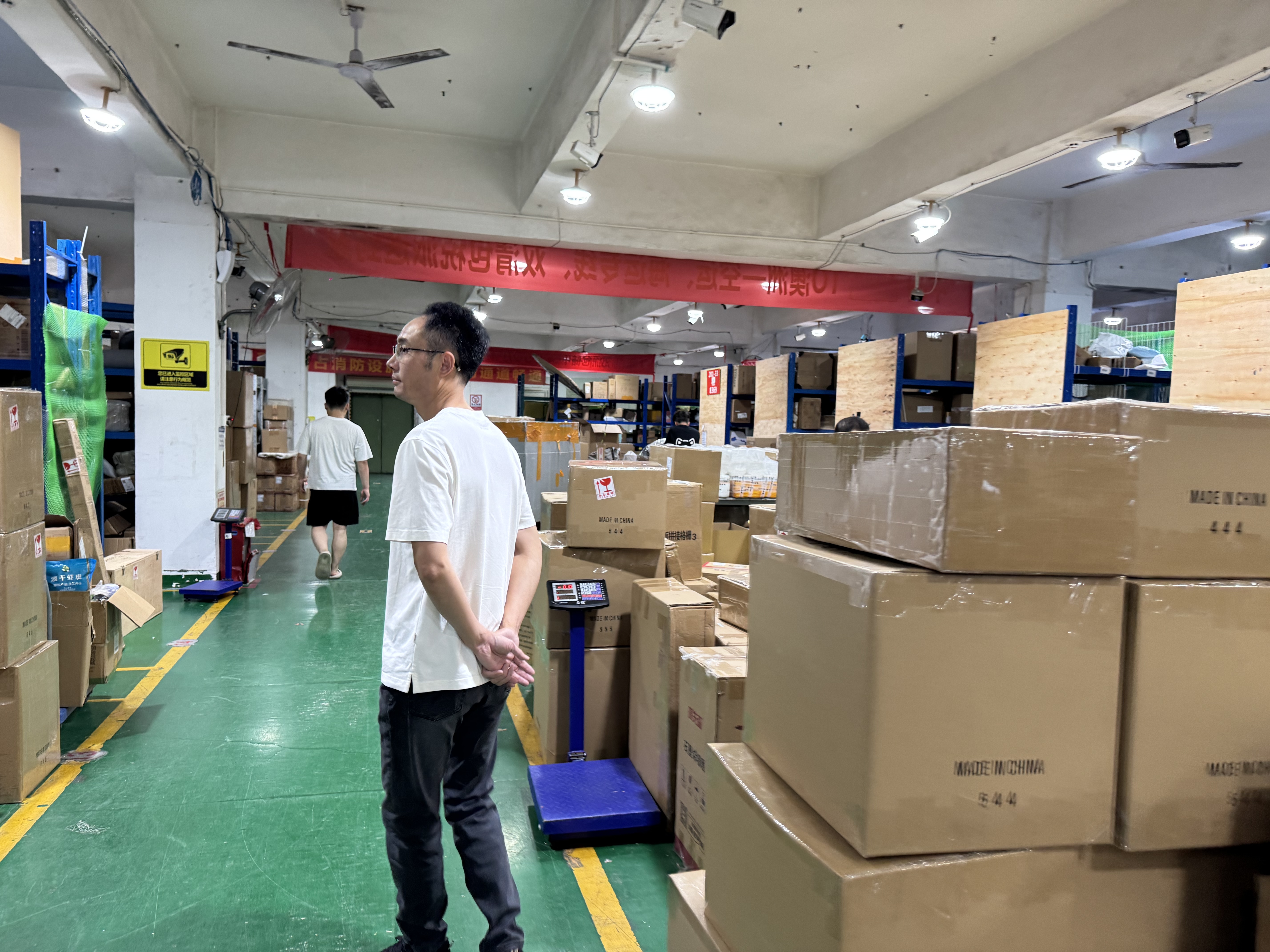
Customs duties and taxes: You'll need to pay customs duties and taxes based on the value and classification of your goods. Make sure to have a clear understanding of the Canadian customs regulations to avoid unexpected costs.
Additional services: If you opt for additional services like cargo insurance, special handling, or expedited customs clearance, you'll need to pay extra for these.
Here's a rough estimate of the costs for shipping a 20 - foot container of oversized furniture from Shanghai to Vancouver:
| Cost Component | Estimated Cost |
|---|---|
| Freight charges | $2,500 - $3,000 |
| Terminal handling charges | $500 - $700 |
| Customs duties and taxes (approximate) | Varies based on the value of goods |
| Additional services | Depends on the services selected |
VI. Shipping Process Step - by - Step
Planning and Booking: First, determine the size, weight, and quantity of your oversized items. Then, choose a logistics provider and book your shipment. Make sure to provide accurate information about your cargo to avoid any issues later on.Packing and Loading: Ensure that your oversized items are properly packed and secured to prevent damage during transit. Shengda International Logistics offers packing services, including custom - made crates and wooden pallets for large items. Once packed, the cargo is loaded onto the vessel at the port of origin.
Shipping and Tracking: The shipment is then transported across the ocean to Canada. You can track the progress of your shipment using the logistics provider's tracking system. Most providers use advanced technology to provide real - time updates on the location and status of your cargo.
Customs Clearance: When the shipment arrives at the Canadian port, it goes through customs clearance. This involves submitting the necessary documentation, paying customs duties and taxes, and getting the approval from the CBSA. Shengda International Logistics has a team of customs experts who can handle this process for you to ensure a smooth and timely clearance.
Delivery: After customs clearance, the shipment is delivered to your specified destination in Canada. Some logistics providers offer door - to - door delivery services, which can be very convenient for you.
VII. FAQ
What kind of oversized items can I ship to Canada by ocean freight? You can ship a wide range of oversized items, including furniture, industrial machinery, construction equipment, large vehicles, and even pre - fabricated buildings. However, you need to make sure that the items comply with the Canadian import regulations and the shipping company's requirements.How long does it take to ship oversized items from China to Canada by ocean? On average, it takes about 30 - 40 days for a shipment to reach Canada from China. But this can vary depending on factors such as the shipping route, the time of year, and any potential delays at the ports.
What if my shipment is delayed at the port? If your shipment is delayed, the logistics provider should keep you informed of the situation. They may be able to assist you in getting an estimated time of arrival. In some cases, bad weather or port congestion are beyond their control, but they should work with you to minimize the impact on your business.
Do I need to purchase cargo insurance? It's highly recommended. Shipping oversized items involves some risks, such as damage during transit or loss of the cargo. Cargo insurance can protect you from financial losses in case something goes wrong. Shengda International Logistics offers cargo insurance options to give you peace of mind.
How do I ensure that my oversized items are properly packed? A professional logistics provider like Shengda International Logistics can offer packing services. They have experience in packing large and heavy items securely. They may use custom - made crates, wooden pallets, and shock - absorbing materials to protect your items during transit.
As you plan your oversized item ocean freight to Canada in 2026, keep these points in mind. The key is to stay informed about the latest policies, choose the right logistics provider, and ensure that your shipment is properly prepared. With the right approach, you can navigate the challenges and enjoy a successful shipping experience.
