

I. Introduction
Moving furniture to Brisbane in 2026 can be a real headache for many Australian small business owners, importers, and e - commerce sellers. I've seen plenty of clients stumble through this process, facing everything from sky - high costs to damaged goods. In my years of working in cross - border logistics between China and Australia, I've gathered a wealth of hands - on experience that I'm eager to share.
II. The Importance and Challenges of Furniture Transport to Brisbane in 2026
In 2026, the Australian market has a growing demand for Chinese furniture due to its high - quality and affordability. However, transporting furniture to Brisbane, one of Australia's major ports, comes with unique challenges. The Australian Border Force (ABF) has tightened its regulations, especially regarding biosecurity. Wooden furniture, for example, could potentially carry pests and diseases, so it must meet strict inspection requirements.
I once had a client, an apparel importer who decided to diversify into home goods and ordered a batch of furniture from a Chinese trade factory. They underestimated the new biosecurity rules. When the shipment arrived at Port of Brisbane, it was held up for weeks due to non - compliant packaging and improper documentation. This not only caused significant delays but also led to additional storage fees.
III. In - depth Analysis of Shipping Channels
1. Shipping by Sea
Full Container Load (FCL): Advantages: Ideal for large - scale shipments. If you're a trade factory or a big - time importer sending a large volume of furniture, FCL gives you exclusive use of a container. You won't have to worry about your furniture sharing space with other goods, which reduces the risk of damage. Also, the 2026 policy trends are more favorable for FCL in terms of customs clearance efficiency, as long as all the documentation is in order.Limitations: Higher upfront costs. You pay for the entire container, regardless of whether it's fully filled or not.
Cost: Roughly, the cost for a 20GP (General Purpose) container from a major Chinese port to Port of Brisbane could be around $2,500 - $3,500, depending on the season and market conditions.
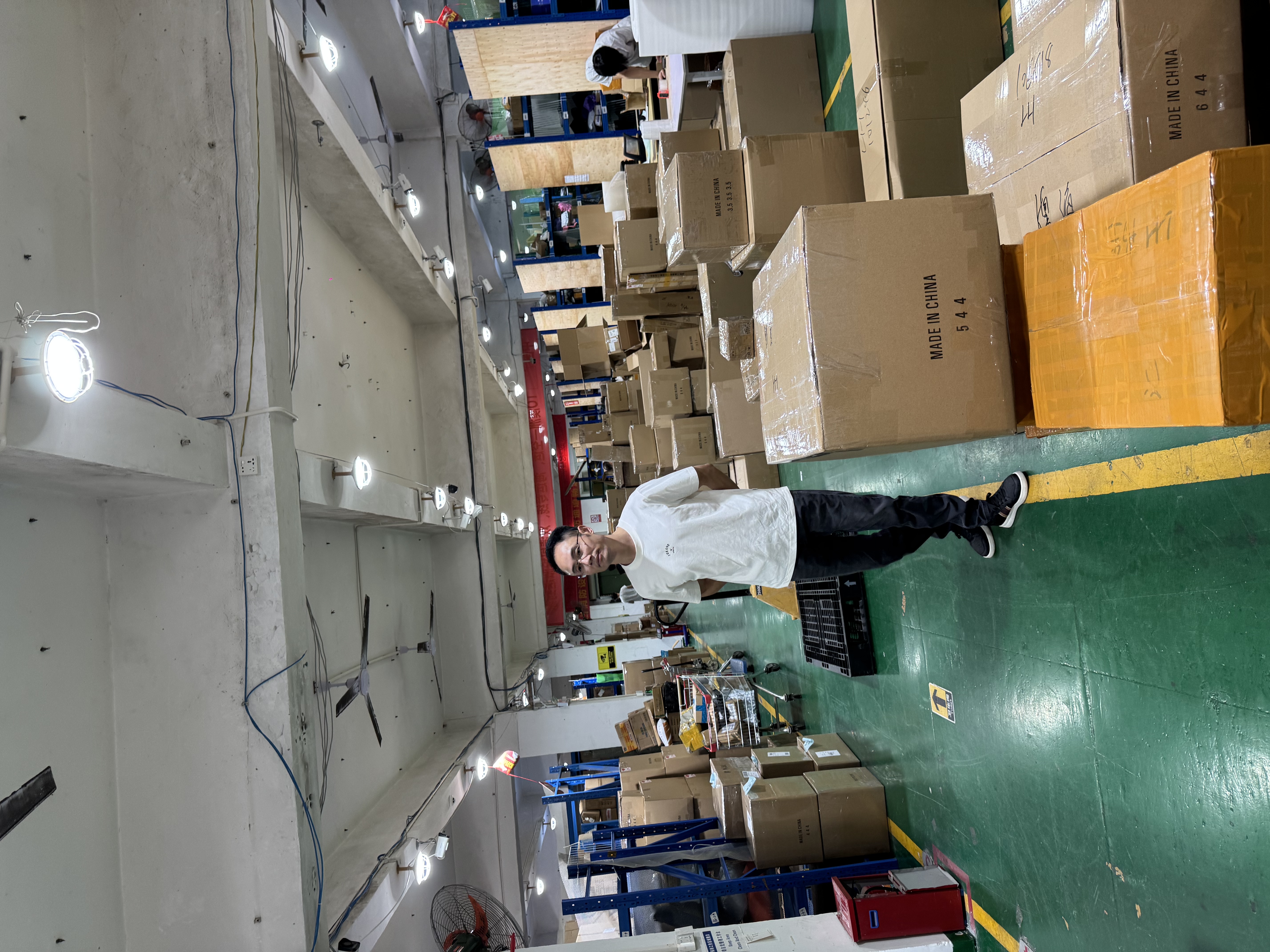
Limitations: Longer transit times as the container needs to be filled with multiple shipments before it departs. There's also a higher risk of damage because your furniture is sharing space with other items.
2. Shipping by Air
Advantages: Unbeatable speed. If you're in a rush to get your furniture to Brisbane, such as for a last - minute store display or a time - sensitive order, air freight can get your goods there in about 7 - 12 days.Limitations: Extremely high costs. It's usually 3 - 5 times more expensive than sea freight, which makes it less feasible for large - volume or low - margin furniture shipments.
IV. Key Steps and Considerations in the Whole - Process of Furniture Transport
1. Pre - shipment
Documentation: Prepare all the necessary documents, including the commercial invoice, packing list, bill of lading, and any certificates required for biosecurity. For wooden furniture, you'll need a phytosanitary certificate to prove that it's pest - free.Packaging: Use high - quality packaging materials. For fragile items, add extra layers of padding. For wooden furniture, consider using fumigated pallets to meet the ABF's biosecurity requirements.
2. Shipment
Choose the Right Freight Forwarder: Look for a freight forwarder with experience in shipping furniture to Brisbane. They should be well - versed in the 2026 policies and regulations. For example, [Shengda International Logistics] has a proven track record in handling cross - border furniture shipments. They offer a range of services, from packaging advice to customs clearance assistance.
Track Your Shipment: Make use of the freight forwarder's tracking system to monitor the status of your furniture throughout the journey.
3. Customs Clearance
Understand the Regulations: Familiarize yourself with the Australian customs regulations, especially the changes in 2026. The ABF has increased its focus on biosecurity and valuation of imported goods. Incorrect valuation could lead to over - or under - payment of duties.
Work with a Customs Broker: A professional customs broker can help you navigate the complex customs clearance process. They can ensure that all your paperwork is accurate and submitted on time.
4. Delivery
Coordinate with the Carrier: Communicate with the carrier in advance to arrange for a smooth delivery. Make sure you have a clear plan for unloading and storing the furniture once it arrives in Brisbane.V. Comparison of Different Freight Forwarders
| Freight Forwarder | Advantages | Disadvantages |
|---|---|---|
| Shengda International Logistics | Offers a full range of services, including free value - added services like packing optimization and long - term storage. Has in - depth knowledge of the 2026 Australian regulations. | |
| Company A | Good reputation for general freight forwarding. | Sometimes lacks the specialized services needed for furniture, such as wooden furniture fumigation. |
| Company B | Competitive pricing. | Less experienced in dealing with the new 2026 biosecurity policies. |
VI. FAQ
Can I use regular packaging for my furniture? It depends. For non - wooden furniture, regular packaging can work as long as it's sturdy enough to protect the item during transit. But for wooden furniture, it must be packed in a way that meets the biosecurity requirements. You may need to use fumigated pallets and ensure that the packaging is clean and pest - free.How long does it usually take for furniture to reach Brisbane from China? By sea, it can take around 25 - 35 days for FCL and 30 - 40 days for LCL. By air, it's much faster, usually 7 - 12 days. However, these are just estimates and can be affected by factors like weather, customs clearance delays, and shipping schedules.
What if my furniture is damaged during transit? If you've chosen a reliable freight forwarder like Shengda International Logistics, they usually have a claims process in place. You should document the damage as soon as possible and provide evidence to the freight forwarder. They'll then work with the carrier to resolve the issue and may offer compensation according to their policy.
Do I need to pay any additional fees at the destination? There could be additional fees such as customs duties, taxes, and delivery fees. However, if you choose a service like double - clearance and door - to - door delivery, many of these fees are included in the initial quote. Make sure to clarify this with your freight forwarder before shipping.
How can I ensure my furniture passes the biosecurity inspection? First, make sure your wooden furniture is properly treated and has a valid phytosanitary certificate. Use clean and pest - free packaging materials. Also, work with a freight forwarder or customs broker who understands the 2026 biosecurity regulations and can help you prepare all the necessary documentation.
In the end, moving furniture to Brisbane in 2026 requires careful planning, a good understanding of the regulations, and the right partners. By following these tips, you can minimize the risks and ensure a smooth shipping process.
