

I. Introduction
As an industry insider with hands - on experience in Sino - Australian cross - border logistics, I've witnessed numerous challenges faced by removalists. In 2026, new policies from the Australian Border Force (ABF) and Department of Agriculture, Fisheries and Forestry (DAFF) have added more complexity to the process. Today, I'll share some common pitfalls and how to steer clear of them, based on my real - world cases.
II. Common Pitfalls and Countermeasures
1. Inadequate Understanding of New Policies
The 2026 Australian ABF and DAFF policies have tightened biosecurity regulations. For instance, there are stricter rules on importing wooden furniture and food products. I had a client back in the first quarter of 2026, a home goods seller in Sydney. They imported a batch of wooden chairs without proper熏蒸 certificates. As a result, the goods were held at Port Botany for three weeks, incurring additional storage fees.
To avoid this, removalists must stay updated on the latest policies. Check the official websites of the ABF and DAFF regularly or subscribe to their newsletters. Before shipping, ensure all the necessary documents such as phytosanitary certificates for wooden items and food import permits are in place.
2. Incorrect HS Code Classification
Harmonized System (HS) codes are used to classify goods for customs purposes. Incorrect classification can lead to mis - assessment of duties and taxes. A 3C electronics seller from Melbourne made a mistake in classifying a new type of smartwatch. They used an HS code for a similar but less complex product, which under - estimated the customs value. When the mistake was detected during customs clearance, they had to pay additional duties and face possible fines.
To tackle this, removalists should consult HS code databases provided by the ABF. If in doubt, seek advice from customs brokers. Usually, customs brokers have in - depth knowledge and experience in HS code classification, and can help ensure accurate declaration.
3. Poor Packaging and Labeling
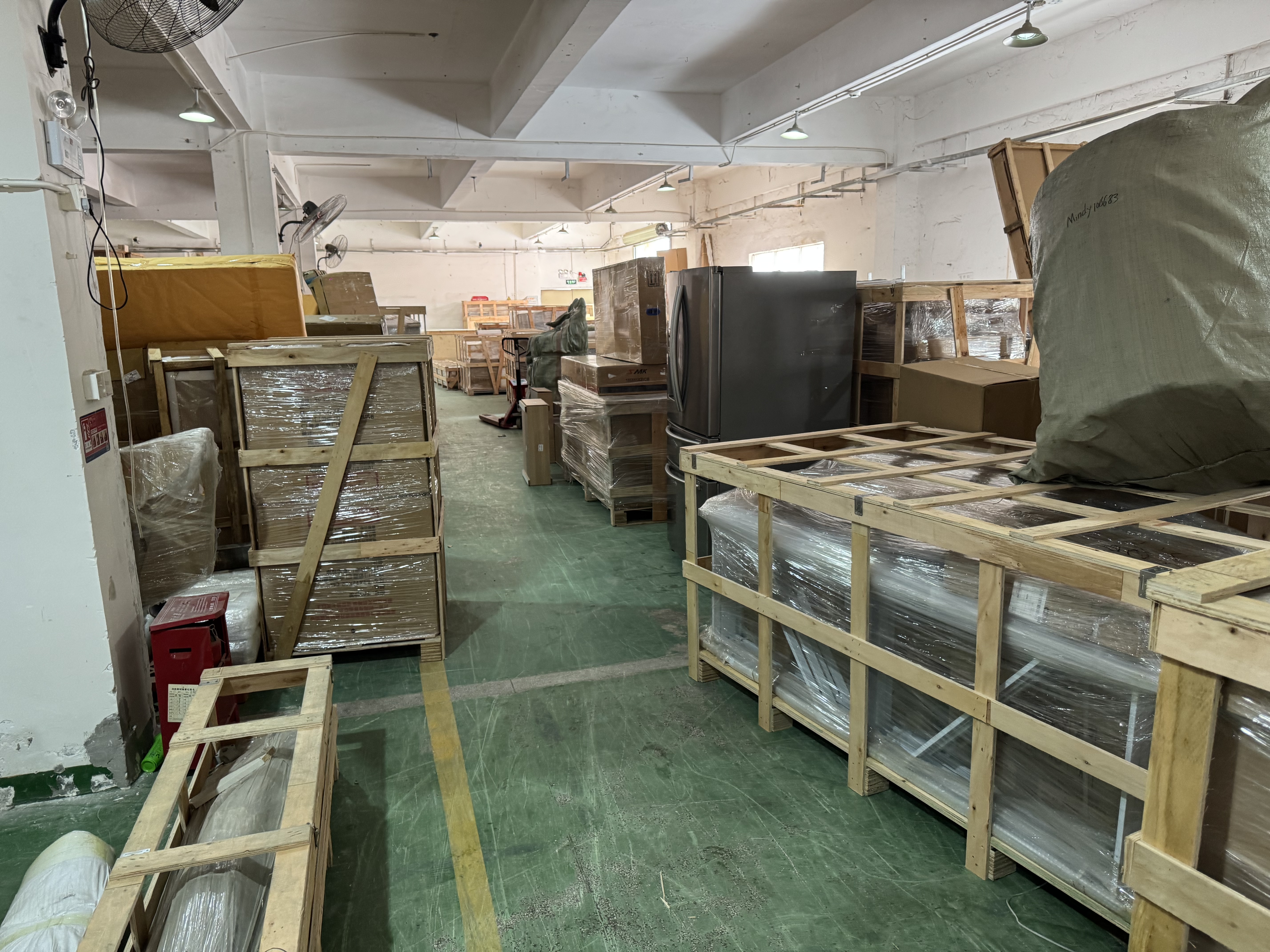
Improper packaging can cause damage to the goods during transportation, while incorrect labeling can lead to delays in customs clearance. I once dealt with an apparel importer who shipped a large quantity of clothing to Brisbane. The packages were poorly sealed, and some labels were smudged. The shipping company had to repackage some of the goods, and the customs officers took longer to inspect them due to the unclear labels.
When it comes to packaging, use high - quality materials and proper cushioning for fragile items. Labels should clearly state the contents, quantity, and weight of the goods, as well as any necessary handling instructions.
4. Not Anticipating Shipping Delays
Shipping delays are common in cross - border logistics. Factors like bad weather, port congestion, or labor strikes can significantly impact the delivery time. I remember a trade factory shipping a large consignment of machinery parts to Port of Melbourne. They didn't account for potential delays in their production schedule. When the shipment was delayed by roughly 14 days due to a major storm in the South China Sea, it disrupted their local production line.
Removalists should build some buffer time into their schedules. Choose reliable shipping companies with good track records on punctuality. And stay in close contact with the shipping company during transportation to get real - time updates on the status of the shipment.
III. Comparison of Logistics Channels
| Logistics Channel | Advantages | Limitations |
|---|---|---|
| Air Freight | Fast delivery, usually 7 - 12 days. Ideal for urgent and high - value small items. | Higher cost. Limited capacity for large or heavy items. |
| Sea Freight (LCL) | Cost - effective, suitable for small to medium - sized shipments. Covers a wide range of destinations. | Longer transit time, typically 25 - 45 days. May face additional handling fees at the port. |
| Sea Freight (FCL) | More suitable for large - scale shipments. Reduced risk of damage compared to LCL. | Higher shipping costs for small volumes. Requires full container utilization. |
IV. Cost Breakdown
When shipping to Australia, there are several costs to consider:
Customs Duties and Taxes: Calculated based on the value and HS code of the goods. It's important to classify the goods correctly to avoid over - or under - payment.
Handling and Storage Fees: Incurred at the port if there are delays in clearance or pick - up. Fees can range from $20 - $100 per day depending on the port and the size of the shipment.
V. FAQ
Q: How can I ensure my goods pass the biosecurity inspection in Australia? A: First, understand the biosecurity regulations. For example, clean all items thoroughly, especially those made of wood or that may carry soil. Get the necessary certificates like phytosanitary certificates. At our company, we always guide our clients through the process and double - check all the documentation to ensure compliance.
Q: What if my shipment is delayed due to unforeseen circumstances? A: It's important to stay in touch with your shipping provider. They can provide updates on the situation. If possible, adjust your business plan accordingly. In some cases, insurance may cover losses caused by significant delays. You can also choose a shipping company with a good reputation for handling unexpected situations.
Q: How can I choose the right HS code for my goods? A: Start by using the official HS code databases provided by the ABF. If you're still unsure, you can consult a customs broker. They're experts in this area and can help you avoid errors in the classification.
Q: Are there any restrictions on importing certain types of goods to Australia? A: Yes, there are restrictions on items like certain firearms, drugs, and protected wildlife products. Also, as mentioned before, there are strict rules on food, wooden items, and plants. Always check the official ABF and DAFF websites for the most up - to - date information.
Q: Does it matter which shipping company I choose? A: Absolutely. A reliable shipping company can offer better transit times, fewer delays, and more professional customer service. Look for companies with good reviews and a long - standing presence in the Sino - Australian cross - border logistics market.
In summary, by being well - informed about the new policies, paying attention to details in classification, packaging, and scheduling, and choosing the right logistics channels, removalists to Australia can avoid many common pitfalls in 2026. Keep these tips in mind, and you'll be on your way to a smoother shipping process.
