

Hey there, Canadian families! As someone with years of hands - on experience in cross - border logistics, especially for the China - Canada route, I know that shipping household goods via sea freight can be both exciting and nerve - wracking. In 2026, there are some key pitfalls you need to steer clear of to ensure a smooth shipping process.
I. Incorrect Documentation
One of the most common mistakes I've seen is incorrect or incomplete documentation. Back in 2024, I had a client, a Canadian family moving back from China, who underestimated the importance of proper paperwork. They were shipping a large amount of furniture, electronics, and personal items.
1. Missing or Inaccurate HS Codes
HS codes are crucial for customs clearance. Each type of good has a specific HS code, and using the wrong one can lead to delays or even fines. For example, a simple wooden chair might have a different HS code than a plastic - covered one. In 2026, with new customs regulations in place, the Canadian Border Services Agency (CBSA) is cracking down on incorrect HS code usage. Make sure to research and consult with your logistics provider to get the right codes for all your items.
2. Incomplete Bill of Lading
The bill of lading is a legal document issued by the carrier. It details the goods being shipped, the destination, and the terms of the shipment. If it's incomplete, the goods may be held at the port. For instance, if the weight or quantity of your household goods is misstated on the bill of lading, the CBSA may have to conduct additional inspections.
II. Improper Packaging
Another major issue is improper packaging. I once handled a shipment for a family in Vancouver. They had packed their fragile glassware and antique items without proper cushioning.
1. Lack of Protection for Fragile Items
Fragile items like glassware, porcelain, and electronics need extra care. In 2026, sea freight can still be a bumpy ride, and without proper padding such as bubble wrap, foam, or packing peanuts, your items are at high risk of damage. For example, a family in Toronto shipped a set of antique china without proper protection, and most of the pieces arrived in shards.
2. Inadequate Crating for Large Items
Large items like furniture and appliances should be properly crated. A sturdy wooden crate can protect them from scratches, dents, and even water damage during the long sea journey. A family in Montreal made the mistake of not crating their large - screen TV, and it arrived with a cracked screen.
III. Ignoring New Customs Regulations in 2026
The year 2026 brings some significant changes to Canada's customs regulations. Many families are unaware of these changes and end up facing problems.
1. Restricted and Prohibited Items
There are certain items that are restricted or prohibited from entering Canada. For example, some types of food products, plants, and certain chemicals are not allowed. If you try to ship these items without proper authorization, your entire shipment may be seized. A family in Calgary once tried to ship a large quantity of homemade Chinese herbal medicine, which is restricted in Canada. Their entire shipment was held at the Port of Vancouver for weeks.
2. New Tax and Duty Rules
The new tax and duty rules in 2026 can be complex. Some items that were previously tax - exempt may now be subject to duties. For example, high - end electronics may have a different tax rate. Make sure to consult a professional or the CBSA website to understand these new rules.
IV. Choosing the Wrong Logistics Provider
Selecting the right logistics provider is crucial. I've seen families make the mistake of going with the cheapest option, only to regret it later.
1. Lack of Experience in China - Canada Shipping
Some logistics providers may not have enough experience in the China - Canada sea freight route. They may not be familiar with the specific customs requirements, shipping routes, or local regulations. A family in Ottawa chose a new logistics company that promised low prices but had no experience in shipping from China. Their shipment was delayed for months due to customs issues.
2. Poor Customer Service
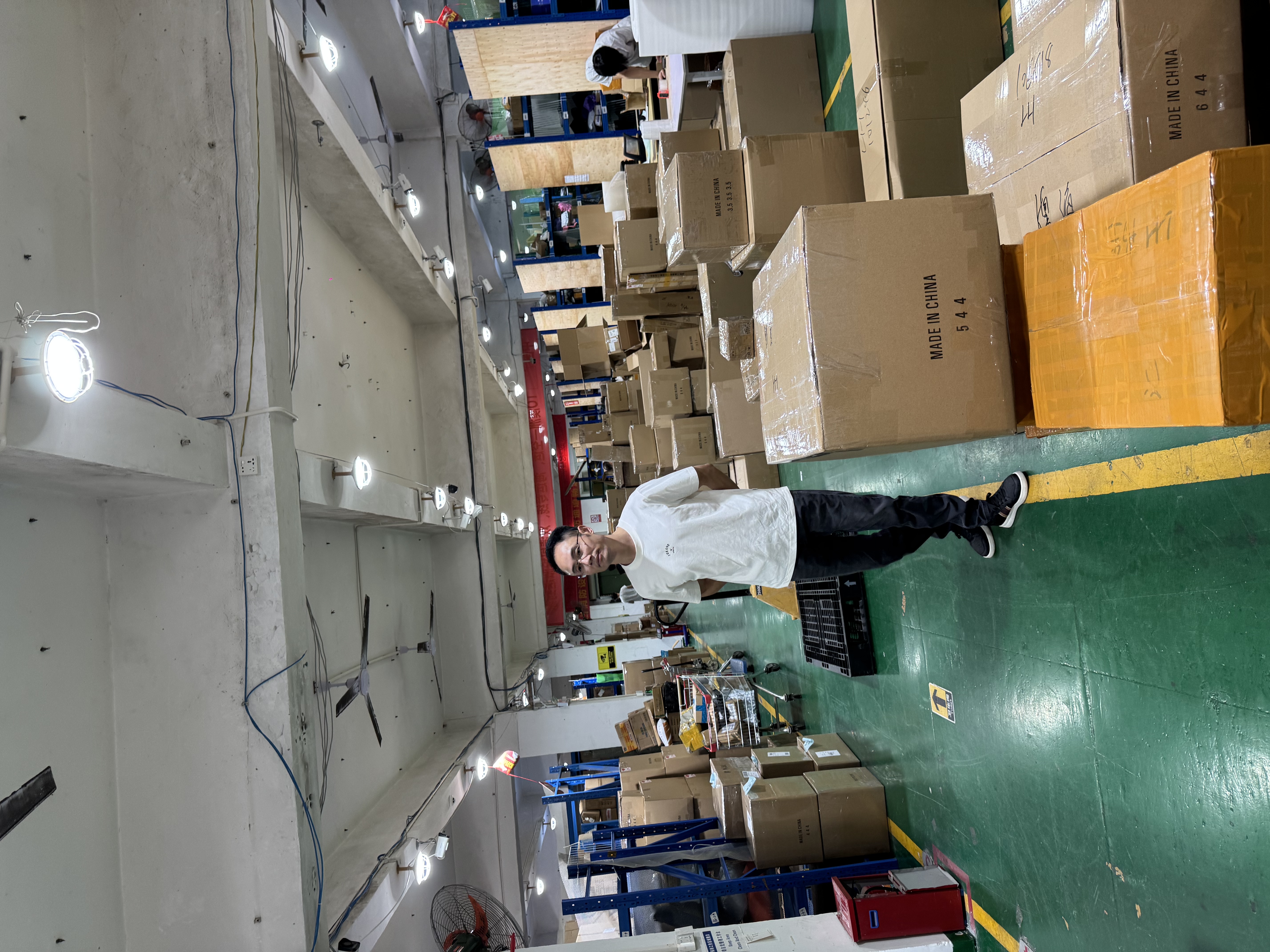
Good customer service is essential, especially when shipping household goods. You need a provider who can answer your questions promptly and handle any issues that arise. A family in Halifax had a problem with their shipment, but their logistics provider was unresponsive. It took them weeks to resolve the problem.
V. FAQ
1. How can I ensure I'm using the correct HS codes?
You can consult your logistics provider, as they usually have a team of experts who are well - versed in HS codes. You can also refer to the official CBSA website, which has a detailed list of HS codes for different types of goods.
2. What's the best way to pack fragile items?
Use plenty of bubble wrap, foam, or packing peanuts. Place the fragile item in a sturdy box and fill any empty spaces with additional padding. You can also double - box the item for extra protection.
3. How do I stay updated on the new customs regulations in 2026?
Regularly check the CBSA website for the latest updates. You can also subscribe to their newsletters. Additionally, your logistics provider should be able to keep you informed about any significant changes.
4. What should I look for in a logistics provider?
Look for a provider with experience in the China - Canada sea freight route. Check their customer reviews and ratings. A provider with good customer service, a transparent pricing policy, and a proven track record of on - time deliveries is ideal. For example, [盛达国际物流] is a great option as they have a team of experts who are familiar with the China - Canada shipping process and offer excellent customer service.
5. Can I ship all my household items to Canada?
No, there are restricted and prohibited items. You need to check the CBSA's list of restricted and prohibited items before shipping. Some common items like certain food products, plants, and chemicals may require special authorization.
In 2026, by avoiding these common mistakes, you can ensure a stress - free and successful sea freight shipment of your household goods to Canada. Always do your research, choose a reliable logistics provider, and pay close attention to the details.
