

I. Introduction
Have you ever wondered about the estimated shipping cost for household goods from China to Australia in 2026? As a veteran in the cross - border logistics industry, I've handled numerous shipments between these two countries. In 2026, the shipping market has some new changes, and cost fluctuations are inevitable. Let me share some in - depth insights and practical tips based on my hands - on experience to help you better understand and plan your shipments.
II. Current Market Situation for Shipping Household Goods from China to Australia in 2026
In 2026, the cross - border shipping industry between China and Australia continues to evolve. New regulations from the Australian Border Force (ABF) and the Department of Agriculture, Fisheries and Forestry (DAFF) have been implemented. These regulations mainly focus on biosecurity and customs valuation. For example, stricter inspections are in place for wooden items to prevent the introduction of pests and diseases.
I recall a client in 2026 who shipped a large amount of furniture from China to Sydney. The shipment contained a significant number of wooden pieces. Due to the new biosecurity regulations, the goods had to undergo thorough inspections at Port Botany. This caused a delay of roughly 14 days and additional inspection fees of around AUD 500.
III. Breakdown of Shipping Costs
1. Freight Charges
Ocean Freight: For large - quantity household goods shipping, ocean freight remains the most cost - effective option. In 2026, the ocean freight for a 20 - foot container (20GP) from a major Chinese port like Shanghai to an Australian port such as the Port of Melbourne is approximately AUD 1800 - 2200. A 40 - foot container (40GP) can cost around AUD 3200 - 3600.Air Freight: If you need to ship urgently, air freight is available. However, it's much more expensive. Air freight for household goods from China to Australia is about AUD 8 - 12 per kilogram. For example, shipping a 50 - kilogram package of small household items could cost AUD 400 - 600.
2. Customs Duties and Taxes
The Australian customs calculates duties and taxes based on the value of the goods (Customs Valuation) and the HS codes. Most household goods fall under a certain range of HS codes. In 2026, the general duty rate for imported household goods is around 5% - 10% of the goods' value, and Goods and Services Tax (GST) is 10%.
For instance, if you're shipping household goods worth AUD 5000, you might have to pay customs duties of AUD 250 - 500 and GST of AUD 500.
3. Terminal Handling Charges (THC)
These are fees charged by the ports for handling the containers or cargo. In Australia, at ports like Port Botany in Sydney, THC for a 20GP can be around AUD 250 - 350, and for a 40GP, it's about AUD 400 - 500.
4. Documentation Fees
There are various documents required for shipping household goods, such as the Bill of Lading, Commercial Invoice, and Packing List. Shipping agents usually charge a documentation fee, which can range from AUD 100 - 250, depending on the complexity of the shipment.
IV. Tips to Reduce Shipping Costs
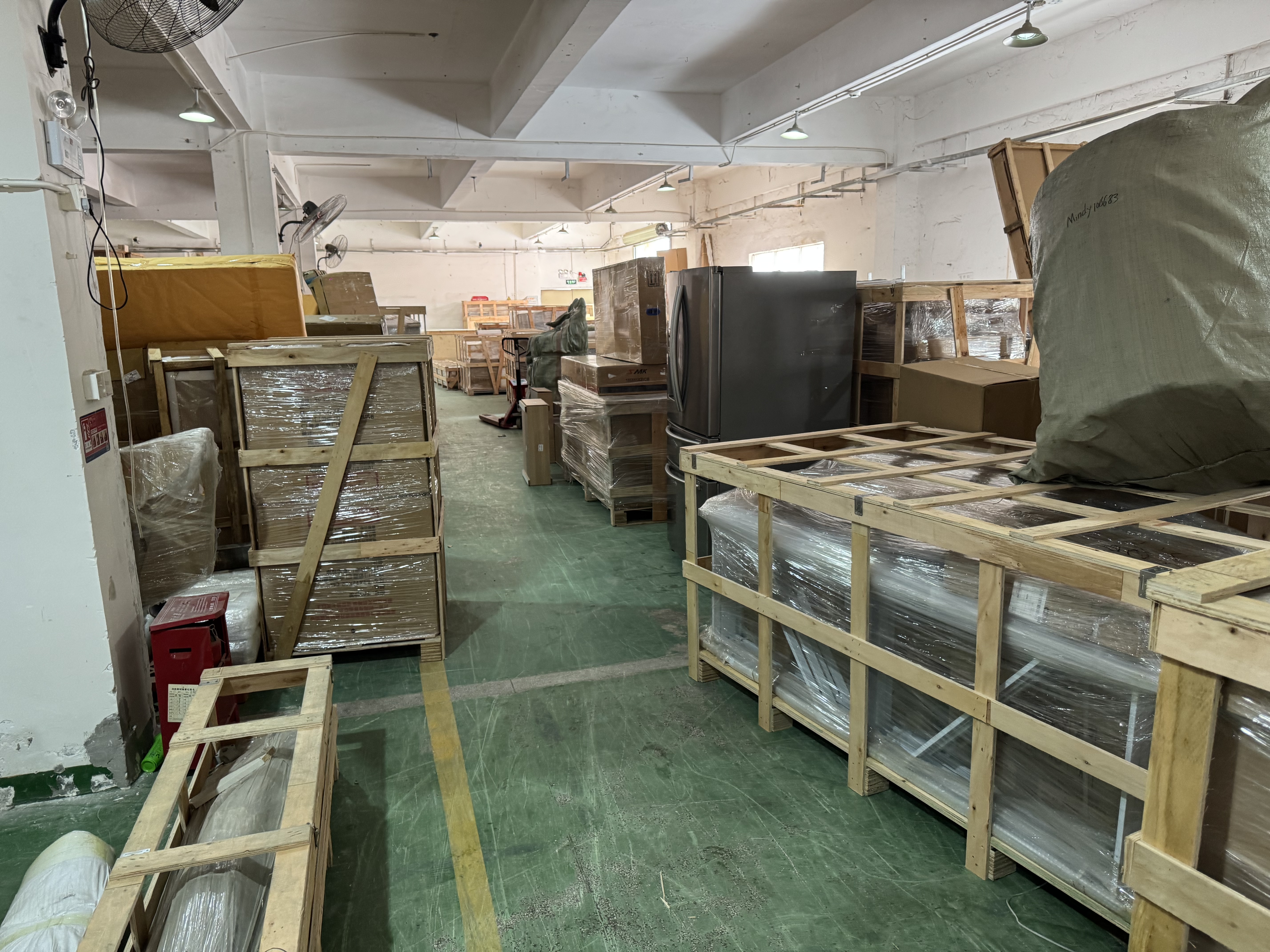
1. Optimize Packaging
Proper packaging not only protects your goods but can also save on shipping costs. For example, using smaller, more compact boxes can reduce the overall volume of your shipment. A client who was shipping glassware used custom - made foam inserts to protect the items. This reduced the size of the outer boxes, and they saved about 15% on volumetric weight charges.
2. Choose the Right Shipping Method
If time isn't a critical factor, ocean freight is definitely the better choice. But if you have a small amount of high - value or urgently needed items, air freight might be more suitable.
3. Consolidate Shipments
If possible, consolidate your household goods with other shipments. For example, if you're a small business owner and have a few pallets of goods, team up with other importers. This way, you can share the container space and reduce the per - unit shipping cost.
V. Company Recommendation: Shengda International Logistics
Among the many shipping agents available, Shengda International Logistics is a great option. They have a team of over 40 experts with over 10 years of experience in the industry. They focus on the China - Australia route and are well - versed in the 2026 regulations.
All - inclusive Pricing: They use an all - in - one pricing model, which means there are no hidden fees. You'll know exactly how much you need to pay from the start.Customized Solutions: Whether you're shipping a small package or a whole container of household goods, they have customized solutions to meet your needs.
Good After - sales Service: In case of any issues during shipping, such as delays or damaged goods, they have a proper compensation mechanism to ensure your rights are protected.
VI. FAQ
What if my household goods are damaged during shipping? If you choose a reliable shipping agent like Shengda International Logistics, they have a standard compensation mechanism. They will assess the damage and compensate you according to the value of the damaged goods. Usually, they'll require you to provide photos and a detailed description of the damage as soon as possible.Do I need to pay customs duties for all my household goods? Not necessarily. There are certain exemptions and thresholds. If the total value of your goods is below a certain amount, you may not have to pay customs duties. In 2026, the rules are subject to change, so it's best to consult your shipping agent or the Australian customs directly.
How long does it take to ship household goods from China to Australia? By ocean freight, it usually takes around 25 - 35 days from the departure port in China to the arrival port in Australia. Air freight is much faster, taking only about 3 - 7 days. However, these are just estimates, and the actual time can be affected by many factors such as weather, port congestion, and customs inspections.
Can I track my shipment? Most professional shipping agents, including Shengda International Logistics, provide real - time tracking services. You can use the tracking number they give you to check the status of your shipment at any time. You'll be able to see where your goods are, whether they've cleared customs, and when they're expected to arrive.
What should I do if my shipment is stuck at customs? If your shipment is held at customs, first contact your shipping agent. They'll have the experience to handle such situations. They might need to provide additional documentation or clarify some details about your goods to the customs. Shengda International Logistics has a professional customs clearance team to handle these issues efficiently.
