

I. Introduction
In 2026, shipping furniture from China to Vancouver has become a crucial need for many Canadian small business owners, importers, and e - commerce sellers. I've been in the cross - border logistics field for years, dealing with countless shipments. One time, a home goods seller in Vancouver wanted to bring in a large batch of Chinese furniture. But they faced many issues simply because they didn't understand the full process. This guide will cover everything you need to know.
II. Pre - shipment Preparation
Product Inspection
Before shipping, you must thoroughly inspect the furniture. Check for any damages, scratches, or incorrect parts. For home goods sellers, ensuring product quality is key to maintaining customer satisfaction. I once had a client who shipped a batch of chairs to Vancouver. They didn't inspect properly, and upon arrival, many customers complained about loose legs. This led to losses not only in terms of replacement but also in reputation.Use wood furniture inspection standards, check for excessive moisture, and ensure the finish is even.
Packaging
Use appropriate packaging materials. For wooden furniture, pallets are a must. Wrap the furniture tightly with bubble wrap to prevent scratches and use strong cardboard boxes for added protection.If there are glass components, use special glass - protecting materials and label the packages clearly.
Documentation
Prepare all necessary documents. The commercial invoice should include a detailed description of the furniture, quantity, and value. The packing list should match the invoice, showing how each piece of furniture is packed.Obtain the Certificate of Origin, which is important for customs clearance. The type of furniture may also require specific inspection certificates.
III. Shipping Options and Selection
Full - Container Load (FCL) Advantage: If you have a large quantity of furniture, FCL is more suitable. You have the whole container for your goods, which reduces the risk of damage during transit. For example, a trade factory shipping a large order of dining tables and chairs to Vancouver can choose FCL.Disadvantage: It is more expensive compared to Less - than - Container Load (LCL). You also need to have enough goods to fill the container.
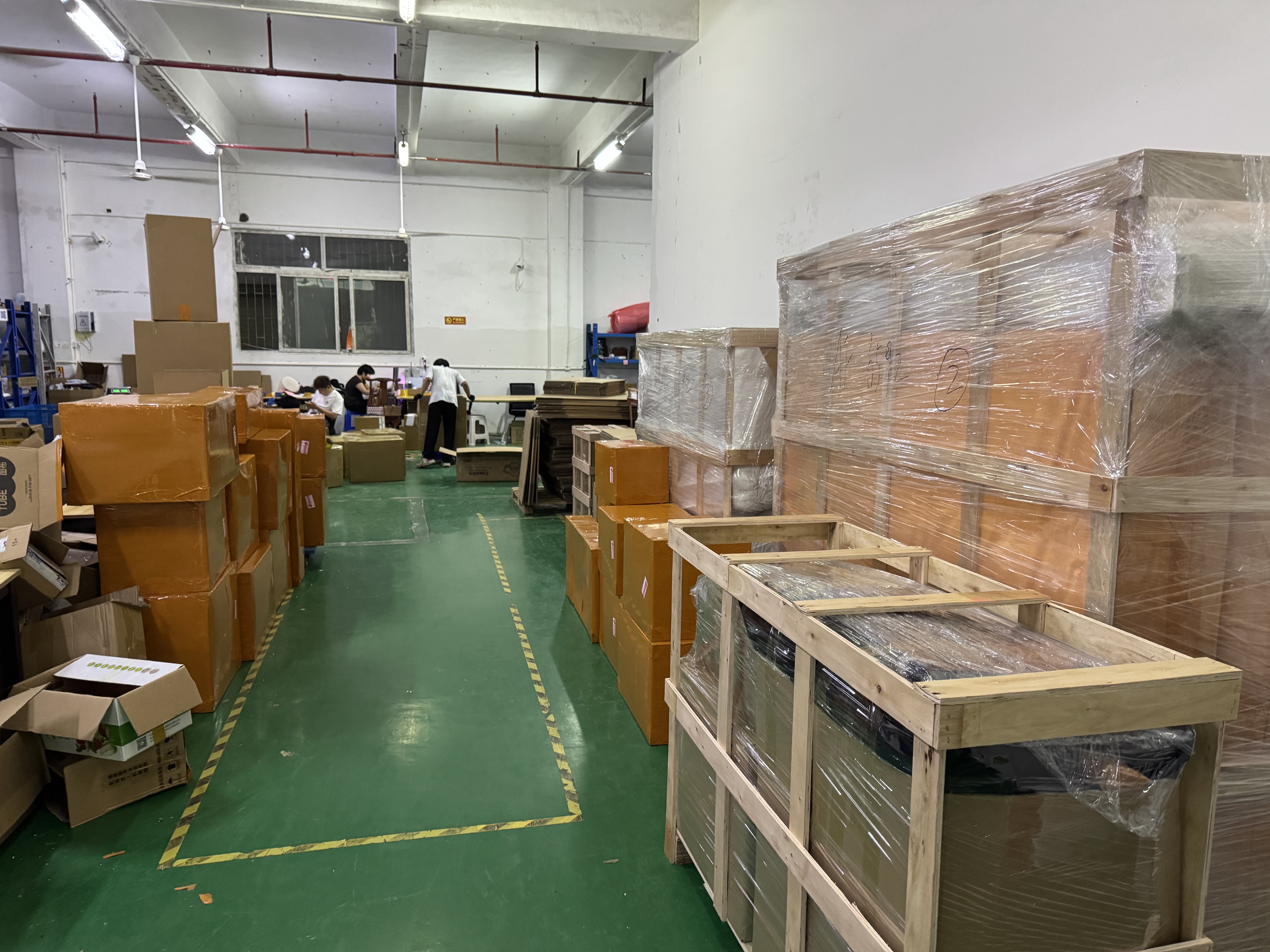
Less - than - Container Load (LCL) Advantage: It is cost - effective for small - scale importers. You only pay for the space your furniture occupies in the container.
Disadvantage: There may be a longer transit time as the container needs to be filled with other goods before departure. There is also a slightly higher risk of damage due to multiple handling.
IV. Customs Clearance in Canada (Deep - Dive, 40% of the Article)
New Policies in 2026 In 2026, the Canadian Border Services Agency (CBSA) has updated some regulations regarding furniture imports. For example, there are stricter requirements for the origin of wood used in furniture. You need to provide detailed information about where the wood was sourced, and if it's from a country with high - risk pests, additional inspections may be required.The valuation method for customs duties has also been refined. CBSA will closely examine the declared value on the commercial invoice to ensure it reflects the true market value of the furniture.
Documentation for Clearance Submit the Entry Summary Declaration (eManifest) in advance. This is electronic and provides CBSA with information about the shipment before arrival.
The Bill of Lading is essential. It serves as a contract between the shipper and the carrier and shows the details of the shipment.
You must also provide the Canadian importer's Business Number. This is used for identification and tax - related purposes.
Payment of Duties and Taxes Calculate the import duties based on the Harmonized System (HS) code of the furniture. Different types of furniture have different HS codes, which determine the duty rate.
Goods and Services Tax (GST) or Harmonized Sales Tax (HST) also applies. The rate depends on the province in Canada where the furniture is being imported. You can arrange to pay these duties either online through the CBSA's portal or at the customs office.
Possible Delays and How to Avoid Them Delays can occur if the documentation is incomplete or incorrect. For example, if the description on the commercial invoice is too vague, CBSA may hold the shipment for further inspection.
To avoid delays, double - check all documents before submission. Work with a professional customs broker who is familiar with the 2026 regulations. I've seen many shipments get stuck at the port just because of simple document errors.
V. Port and Inland Transportation in Vancouver
Port of Vancouver Operations Once the container arrives at the Port of Vancouver, it will go through a series of processes. The shipping line will unload the container, and then it will be moved to the container yard.You need to arrange for container pick - up within a certain time frame. Otherwise, demurrage charges will apply. These charges can quickly add up, so it's important to be on top of the schedule.
Inland Transportation You can choose either trucking or rail transportation for the inland part. Trucking is more flexible, especially for smaller shipments or if you need the furniture delivered directly to your warehouse.
Rail transportation is more suitable for large - scale shipments and can be more cost - effective for longer distances. But it may have less flexibility in terms of delivery locations.
VI. Final Delivery and Receipt
Delivery to the Destination The carrier will deliver the furniture to your designated location. Make sure someone is available to receive the shipment and inspect it upon arrival.Final Inspection Check all the furniture against the packing list and invoice. Look for any damages or missing items. If there are issues, record them immediately and notify the carrier and the insurance company if applicable.
VII. FAQ
What should I do if my furniture is damaged during transit? Well, first, take photos of the damaged furniture as soon as you receive it. Then, notify the carrier right away. If you've insured the shipment, file a claim with the insurance company. Provide them with all the necessary documents, like the photos, packing list, and invoice.How long does it usually take to ship furniture from China to Vancouver? It depends on the shipping method. For FCL, it typically takes around 20 - 25 days. For LCL, it may take 25 - 30 days, but this can vary due to factors like weather and container filling time.
Do I need a customs broker? It's highly recommended. In 2026, the customs regulations are more complex. A professional customs broker can help you navigate through the paperwork, ensure accurate declarations, and reduce the risk of delays. For example, at [company name], our team of experts can handle all customs - related issues for you.
What are the main differences between FCL and LCL for furniture shipping? FCL is for large shipments. You have the whole container, which means less handling and lower damage risk. But it's more expensive. LCL is for smaller shipments. It's cost - effective, but there may be more handling and a longer transit time.
Can I ship antique furniture from China to Vancouver? You can, but it has more regulations. Antique furniture may require special permits and appraisals. You need to ensure that it meets all the cultural heritage and customs requirements of both China and Canada.
