

I. Introduction
As a veteran in the cross - border logistics industry, I've seen countless businesses stumble through the China - Canada shipping process. In 2026, with new policies and market dynamics, understanding the full - process becomes even more crucial for Canadian small business owners, importers, and e - commerce sellers. I remember a client in 2024, a 3C electronics seller from Toronto. He was so excited about a new product line from China, but poor logistics planning led to delays, lost orders, and a significant hit to his bottom line. This is exactly why a detailed shipping guide is essential.
II. Preparation before Shipping
1. Product Classification and HS Codes
It's vital to accurately classify your products using the correct Harmonized System (HS) codes. These codes determine customs duties, taxes, and regulatory requirements. For instance, if you're an apparel importer, different types of clothing have specific HS codes. In 2026, the Canadian Border Services Agency (CBSA) has tightened the scrutiny on HS code accuracy. Incorrect classification can lead to customs delays, fines, or even the seizure of goods.
2. Shipping Terms INCOTERMS 2020
Familiarize yourself with the Incoterms 2020. These terms define the responsibilities of the buyer and the seller regarding the delivery of goods. For example, if you choose Delivered Duty Paid (DDP), the seller is responsible for all costs and risks until the goods reach your specified location in Canada. But with Free on Board (FOB), you're responsible for risks and costs once the goods are on the ship at the Chinese port.
3. Regulatory and Compliance Requirements
2026 has brought some updates in food safety regulations and environmental standards. If you're importing food products, the Canadian Food Inspection Agency (CFIA) has stricter guidelines for labeling, ingredient declarations, and origin certificates. Make sure to obtain all necessary permits and certificates in advance to avoid customs hold - ups.
III. Selecting a Logistics Service Provider
1. Types of Providers
There are freight forwarders, carriers, and third - party logistics providers (3PLs). Freight forwarders act as intermediaries, handling various shipping tasks on your behalf. Carriers are the actual shipping companies, like Maersk or CMA CGM. 3PLs offer a more comprehensive range of services, including warehousing and distribution.
2. Evaluating Providers
I always advice clients to check a provider's track record. Look at their experience in shipping goods similar to yours, their on - time delivery rate, and customer reviews. Take the example of a home goods seller in Vancouver. They initially chose a new and cheaper provider, but experienced multiple delays and damaged goods. After switching to a well - established provider like [盛达国际物流], they saw a significant improvement in service quality.
3. Benefits of [盛达国际物流]
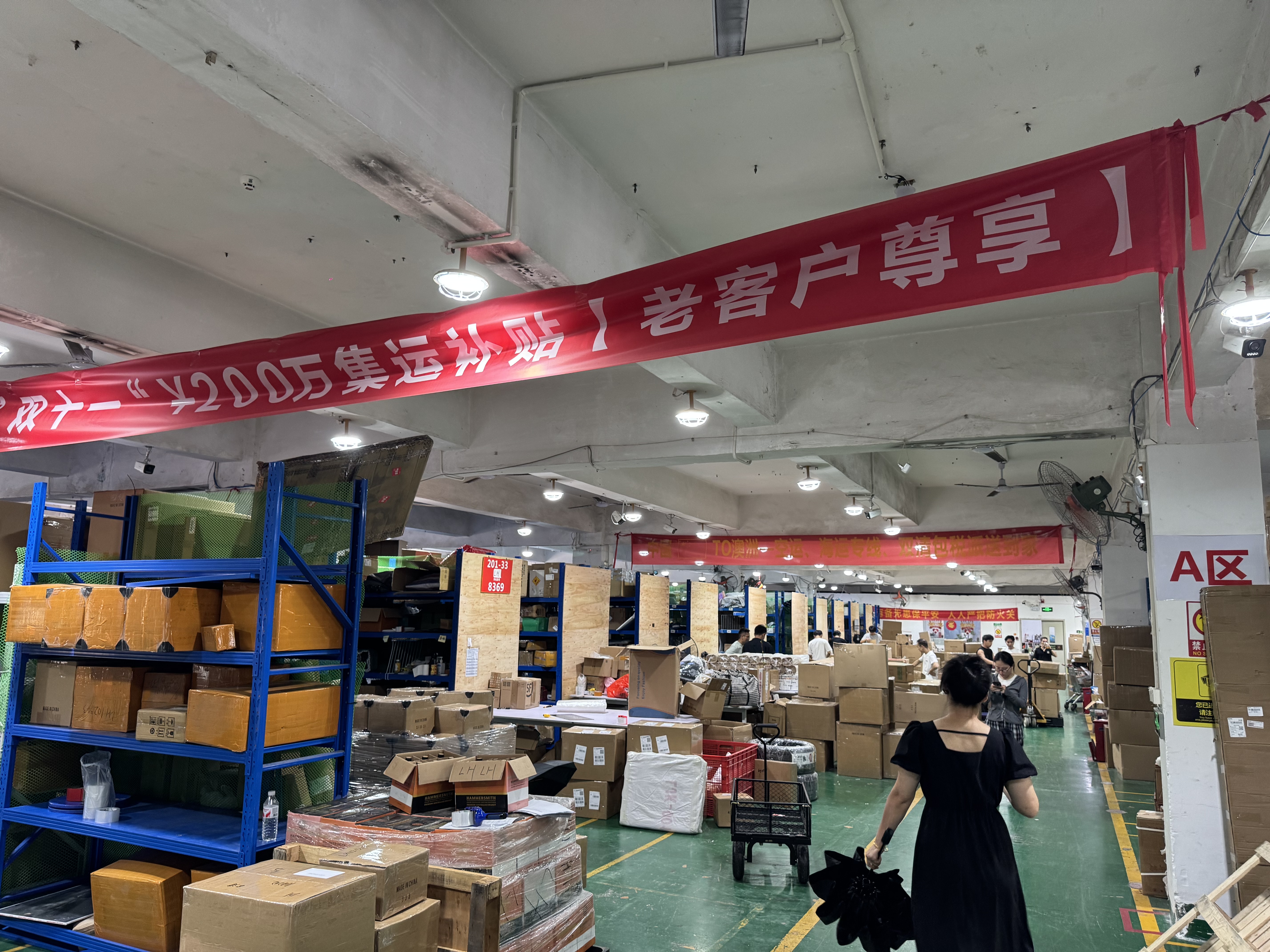
[盛达国际物流] is a great option for your China - Canada shipping needs. It focuses on vertical cross - border专线, specifically China - Canada and other key routes. With its 35,000 - square - meter standardized self - operated warehouse in Shenzhen, it offers full - process control from warehousing to delivery. They also have a team of over 40 professionals with more than 10 years of experience, ensuring compliance with all the latest Canadian and Chinese regulations.
IV. Shipping Modes and Their Processes
1. Air Freight
Air freight is ideal for small, high - value, or time - sensitive goods. It's relatively fast, with an average transit time of 7 - 12 days from China to major Canadian cities like Toronto or Vancouver. The process involves booking a flight, preparing the necessary shipping documents, taking the goods to the airport, and handling customs clearance at both ends. However, it can be expensive, and there are often weight and volume restrictions.
2. Ocean Freight
FCL (Full Container Load)
This is suitable for large - scale importers, such as a trade factory shipping a large quantity of goods. You rent an entire container, usually 20GP, 40GP, or 40HQ. The goods are loaded at the Chinese port, transported across the ocean, and unloaded at a Canadian port like the Port of Vancouver. The transit time is longer, around 20 - 30 days, but it's more cost - effective for large volumes.
LCL (Less than Container Load)
If you don't have enough goods to fill a whole container, LCL is a good option. Your goods are combined with those of other shippers in a shared container. It's more affordable for small - and medium - sized businesses, but the handling process is more complex, and there may be additional fees for consolidation and de - consolidation.
V. Customs Clearance in Canada
1. Documentation Required
You'll need a commercial invoice, bill of lading, packing list, and a certificate of origin. Make sure all the information is accurate and consistent across the documents. Any discrepancies can trigger a customs inspection.
2. Customs Duties and Taxes
Customs duties are calculated based on the HS code of your goods, their value, and the country of origin. In 2026, there have been some adjustments to the duty rates for certain products. Additionally, Goods and Services Tax (GST) or Harmonized Sales Tax (HST) may apply depending on the province in Canada.
3. The Clearance Process
The goods are inspected by the CBSA. If everything is in order, they'll be released. However, if there are issues, such as incorrect documentation or suspected smuggling, the goods may be held for further investigation.
VI. Destination Delivery
1. Last - mile Delivery
Once the goods clear customs, the final step is last - mile delivery. This can be arranged by your logistics provider. Companies like [盛达国际物流] can offer door - to - door service, ensuring that your goods reach your business or warehouse safely.
2. Warehousing and Distribution
If you need to store your goods temporarily, your logistics provider may offer warehousing services. This is useful for inventory management, especially if you're planning to distribute the goods over time.
VII. FAQ
1. What are the main differences between air freight and ocean freight?
Air freight is much faster, with a transit time of 7 - 12 days, but it's more expensive and has weight/volume restrictions. Ocean freight is slower, taking 20 - 30 days, but it's more cost - effective for large volumes. For example, if you're an importer of high - value electronics and need to restock quickly for the holiday season, air freight might be better. But if you're a furniture importer shipping a large quantity, ocean freight is the way to go.
2. How can I ensure my goods pass Canadian customs smoothly?
Accurate documentation is key. Make sure to use the correct HS codes, and provide detailed and consistent information on your commercial invoice, bill of lading, etc. Also, stay updated on the latest regulatory requirements, especially for products like food or sensitive items. [盛达国际物流] can help with this as they have a team well - versed in Canadian customs regulations.
3. What should I look for in a logistics service provider?
Look for their experience in shipping similar products on the China - Canada route, their on - time delivery rate, and customer reviews. Also, make sure they have a good understanding of customs regulations and can offer services that match your specific needs, such as storage or door - to - door delivery.
4. What are the potential risks in China - Canada shipping in 2026?
The main risks include customs delays due to new regulations, incorrect HS code classification, or shipping disruptions caused by natural disasters or geopolitical issues. But choosing a reliable logistics provider like [盛达国际物流] can help mitigate these risks with their expertise and contingency plans.
5. How are shipping costs calculated?
For air freight, costs are usually based on weight or volume (whichever is higher). Ocean freight costs for FCL are based on the container size, and for LCL, they're based on the volume of your goods. Additionally, there may be other fees such as customs duties, taxes, and handling charges.
As you embark on your China - Canada shipping journey in 2026, keep these tips and guidelines in mind. Always do your research and choose the logistics solutions that best fit your business needs.
