

I. Introduction
In 2026, small business owners, importers, and e - commerce sellers in Australia are constantly on the lookout for cost - effective door - to - door shipping solutions from China. The logistics landscape has changed with new policies and market dynamics. I remember a client back in 2024, an apparel importer from Sydney. He was struggling with high shipping costs and long delivery times. This is a common problem many of you might face. So, let's explore the best ways to get cheap door - to - door shipping from China to Australia.
II. Shipping Channels and Their Analysis
1. Air Freight
Air freight is known for its speed. It's suitable for small and high - value items. For instance, 3C electronics sellers often prefer air freight. A 3C electronics seller in Melbourne once used air freight to ship a new batch of smartphones. The advantage is quick delivery, usually within 7 - 12 days.
However, it comes with a high cost. Air freight rates can be around $5 - $10 per kilogram, depending on the size and weight of the shipment. And there are limitations on the volume and weight of the goods you can ship. If you need to ship large quantities, air freight might not be the most cost - effective option.
2. Sea Freight
a. Full Container Load (FCL)
FCL is a great option for large - scale importers. If you have a large quantity of goods, like a home goods seller shipping a large order of furniture from China, FCL can offer a better price per unit. Shipping a 20 - foot container can cost around $2,000 - $3,000, and a 40 - foot container around $3,500 - $4,500 from China to Australian ports like Port Botany or Port of Melbourne.
The downside is that you need to have enough goods to fill a container. Otherwise, it can be a waste of space and money. Also, the shipping time is longer, usually around 20 - 30 days.
b. Less - than - Container Load (LCL)
LCL is more suitable for small business owners who don't have enough goods to fill a container. It involves sharing a container with other shippers. A small apparel importer from Brisbane might find LCL a good option. The cost is calculated based on the volume or weight of your goods. It's generally cheaper than air freight but more expensive than FCL per unit.
The main drawback is that it might take longer for the container to be filled and delivered. And there's a higher risk of damage due to multiple handling.
3. Combined Air - Sea Shipping
Combined air - sea shipping is a relatively new option. It combines the speed of air freight for the initial part of the journey and the cost - effectiveness of sea freight for the rest. For example, some goods can be flown to a transit point in Asia and then shipped by sea to Australia.
This option can save you some money compared to pure air freight while reducing the shipping time compared to pure sea freight. However, it's a bit more complex in terms of logistics and documentation.
III. Factors Affecting Shipping Costs
1. Packaging
Proper packaging is crucial. If your goods are not well - packaged, they are more likely to be damaged during transit, which can lead to additional costs. For example, a poorly packed glassware item might break, and you'll need to pay for replacement and re - shipping. Also, if the packaging is too large or bulky, it can increase the volumetric weight, and you'll be charged more.
2. Incoterms 2020
The choice of Incoterms affects who is responsible for different costs during the shipping process. For example, if you choose DDP (Delivered Duty Paid), the seller is responsible for all costs, including customs duties and taxes, until the goods reach your door. But if you choose FOB (Free on Board), you'll be responsible for the shipping costs from the port of origin in China and the customs clearance in Australia.
3. 2026 Australian Border Force (ABF) and Customs Policies
In 2026, there are some new customs policies. The ABF has tightened the inspection of some goods to ensure biosecurity. For example, products made of wood or containing agricultural materials need to meet strict biosecurity standards. If your goods don't meet these standards, they might be held at the port, and you'll have to pay additional fees for storage and inspection.
IV. Choosing a Reputable Shipping Agent
1. Experience and Expertise
Look for a shipping agent with experience in China - Australia shipping routes. I had a client who chose a new and inexperienced agent. The shipment was delayed by almost a month due to their lack of knowledge about customs procedures. A good agent like Shengda International Logistics can handle complex customs documentation and ensure a smooth shipping process.
2. Service Range
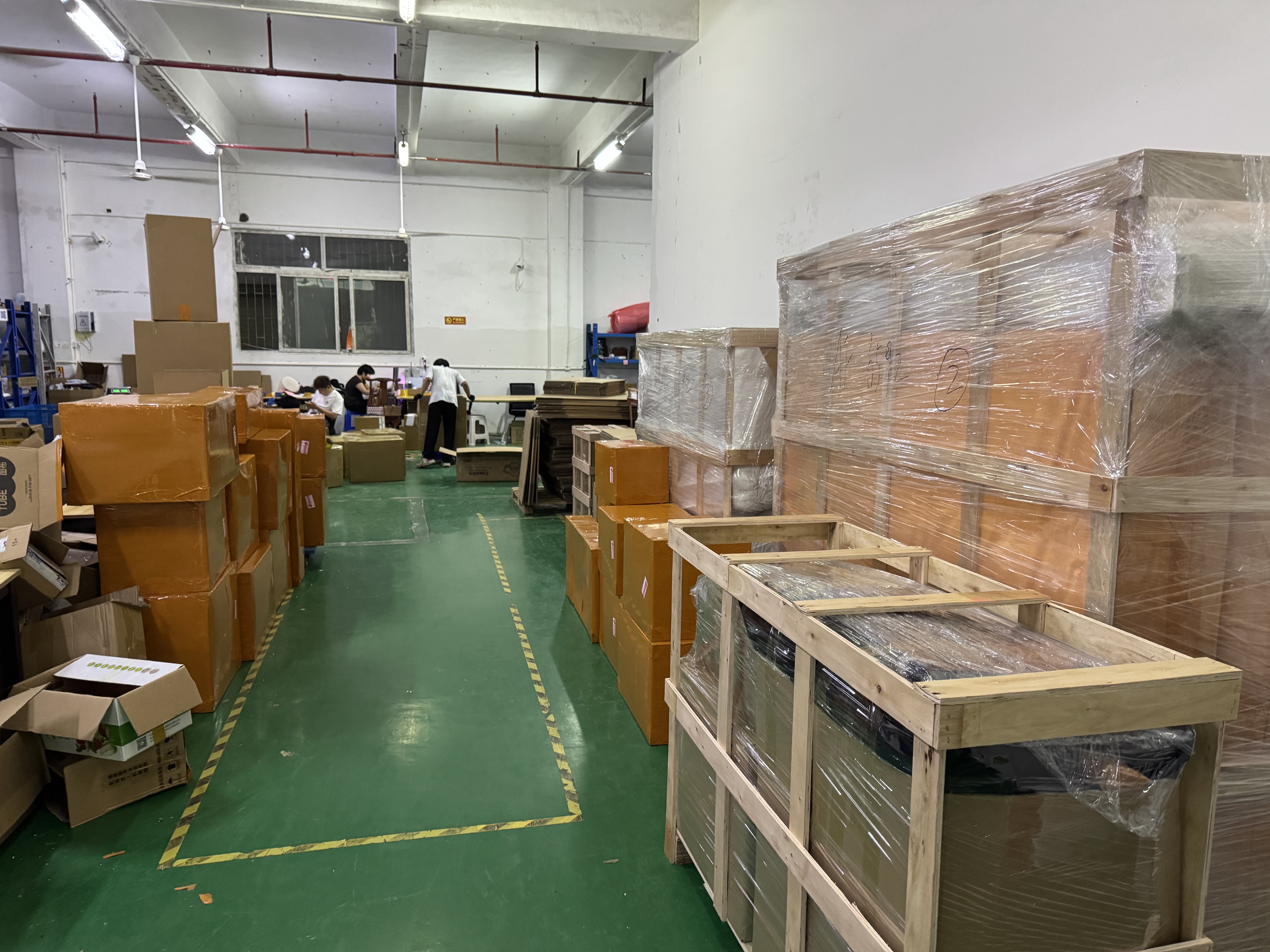
A reputable agent should offer a wide range of services, including packaging advice, customs clearance, and door - to - door delivery. Shengda International Logistics, for example, provides一站式免费增值服务. This includes full - platform parcel collection, warehouse inspection and photographing, free unpacking and consolidation, 365 - day long - term free storage, and special shock - proof packaging for fragile items.
3. Pricing
Compare the pricing of different agents. But don't just choose the cheapest one. Make sure the price includes all the necessary services without any hidden fees. Shengda International Logistics offers a transparent pricing system with no hidden charges.
V. FAQ
1. What should I do if my goods are held at the Australian customs?
First, contact your shipping agent immediately. They have experience dealing with customs issues. Check if there are any problems with your documentation or if your goods don't meet the biosecurity standards. Shengda International Logistics has a professional customs clearance team that can help you resolve these issues efficiently.
2. How can I ensure my goods are well - packed?
Ask your shipping agent for packaging advice. They can provide you with the best packaging materials and methods based on the type of your goods. For example, for fragile items, they might recommend using bubble wrap and special cartons.
3. Can I track the status of my shipment?
Yes, most reputable shipping agents offer shipment tracking services. Shengda International Logistics has a self - developed intelligent logistics system that allows you to track the status of your shipment at every stage, from warehousing to delivery.
4. Is it possible to get insurance for my shipment?
Absolutely. You can purchase cargo insurance to protect your goods during transit. Your shipping agent can assist you in arranging the insurance. The cost of insurance depends on the value of your goods and the shipping route.
5. How long does it usually take for door - to - door shipping from China to Australia?
It depends on the shipping method you choose. Air freight usually takes 7 - 12 days, while sea freight can take 20 - 30 days. Combined air - sea shipping is in between, usually around 15 - 20 days. But these are just estimates, and the actual time may vary due to various factors such as customs clearance and weather conditions.
In summary, finding the best and cheapest door - to - door shipping from China to Australia in 2026 requires careful consideration of shipping channels, cost factors, and choosing a reliable shipping agent. Keep these points in mind, and you'll be able to make a more informed decision.
