

I. Introduction
In 2026, the sea freight industry between China and Canada is witnessing significant changes, especially with new policies and market dynamics. As a professional with years of experience in cross - border logistics, I've seen many Canadian small business owners, importers, and e - commerce sellers stumble due to common mistakes. In this article, I'll share some key pitfalls to avoid in sea freight to Canada this year.
I remember back in 2024, I had a client, a home goods seller from Vancouver. He was eager to expand his product line and imported a large batch of home decor items from China. However, he overlooked some crucial details in the shipping process, which led to a series of problems. This real - life case inspired me to help others avoid similar mistakes.
II. Inaccurate Documentation
HS Code Misclassification Consequence: The Harmonized System (HS) code determines the tariff rate and regulatory requirements for your goods. Misclassifying HS codes can result in incorrect duties being paid, customs delays, and even fines. For example, if you classify a wooden chair as a plastic chair, the tariff rate and inspection requirements will be completely different.Solution: Consult with a customs expert or use reliable HS code lookup tools. You can also refer to the Canadian Border Services Agency (CBSA) official website for accurate classification. In my experience, taking the time to double - check the HS code can save you a lot of trouble later.
Incomplete or Incorrect Shipping Documents Consequence: Documents such as the bill of lading, commercial invoice, and packing list are essential for customs clearance. Incomplete or incorrect information can lead to hold - ups at the Canadian ports. For instance, if the commercial invoice does not clearly state the value of goods, the CBSA may conduct a more in - depth valuation, causing delays.
Solution: Ensure all shipping documents are filled out accurately and completely. Review them carefully before submission. Some logistics providers, like Shengda International Logistics, offer document review services to help clients avoid such mistakes.
III. Ignoring New Regulations and Policies
2026 Canadian Customs Updates Consequence: The Canadian customs regulations are constantly evolving. Ignoring the new policies, such as updated safety standards or environmental regulations, can lead to goods being rejected at the border. For example, new restrictions on the use of certain chemicals in products may come into effect, and if your goods contain these substances without proper documentation, they will not be allowed to enter Canada.Solution: Stay informed about the latest Canadian customs announcements. Subscribe to official newsletters from the CBSA or consult with a professional logistics provider. Shengda International Logistics keeps a close eye on policy changes and can help clients adjust their shipping strategies accordingly.
Food and Agricultural Product Regulations Consequence: If you're importing food or agricultural products, there are strict regulations from the Canadian Food Inspection Agency (CFIA). Failing to meet these requirements, such as proper labeling, inspection, and quarantine, can result in the disposal of your goods.
Solution: Before shipping food or agricultural products, understand the specific CFIA requirements for your goods. Work with suppliers who can provide the necessary documentation and ensure proper handling during transportation.
IV. Poor Packaging and Cargo Preparation
Inadequate Packaging Consequence: Sea freight involves long - distance transportation and multiple handling processes. Inadequate packaging can lead to damage to your goods. For example, fragile items like glassware or electronics need proper cushioning and protection. If not, they are likely to break during transit.Solution: Use high - quality packaging materials and appropriate packaging methods. For large and heavy items, consider using wooden pallets or crates. If you're unsure about the packaging requirements, ask your logistics provider for advice. Shengda International Logistics offers packaging services to ensure your goods are well - protected.
Improper Cargo Stowage Consequence: Incorrect stowage of cargo in the container can lead to shifting during transit, which may cause damage to the goods and even pose a safety risk. For example, if heavy items are placed on top of light and fragile items, the latter may be crushed.
Solution: Follow the proper stowage guidelines. Distribute the weight evenly in the container and secure the cargo properly. Some logistics companies have experienced stowage planners who can help you optimize the use of container space and ensure the safety of your goods.
V. Choosing the Wrong Logistics Provider
Lack of Experience in Canada Routes Consequence: A logistics provider without sufficient experience in the China - Canada sea freight route may not be familiar with local regulations, customs procedures, and potential challenges. This can result in delays, higher costs, and poor service quality.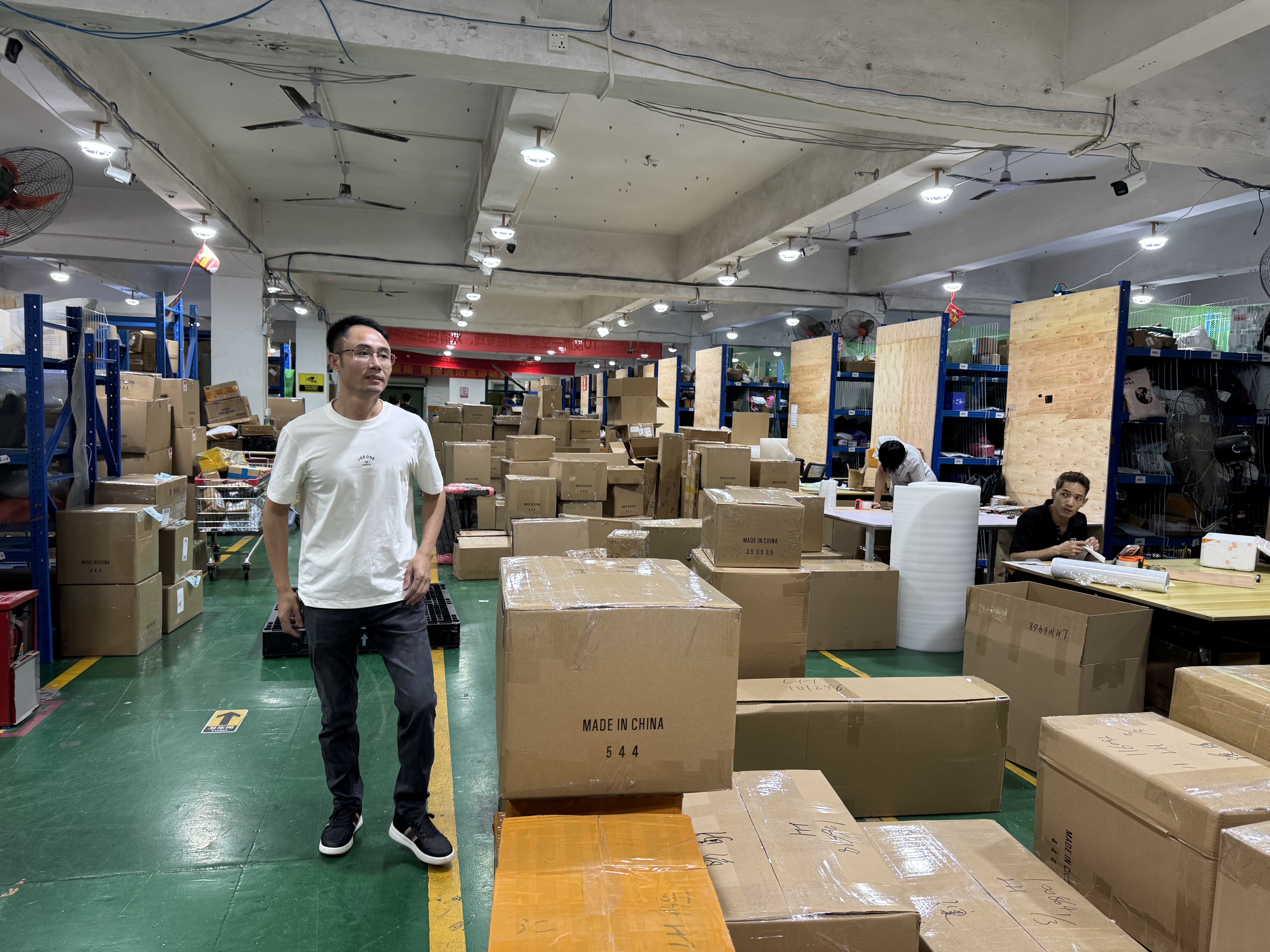
Solution: Look for a logistics provider with a proven track record in the China - Canada market. Check their references and customer reviews. Shengda International Logistics specializes in cross - border logistics between China and Canada. With a professional team of over 40 people, all having more than 10 years of experience in the industry, they can handle various shipping situations effectively.
Hidden Costs and Unclear Pricing Consequence: Some logistics providers may have hidden costs, such as additional fees for documentation, handling, or storage. Unclear pricing can lead to unexpected expenses and budget overruns.
Solution: Choose a logistics provider that offers transparent pricing. Ask for a detailed breakdown of all costs upfront. Shengda International Logistics adopts an all - inclusive pricing model, clearly listing all fees such as freight, customs clearance fees, taxes, and delivery fees, without any hidden charges.
VI. FAQ
Q: How can I estimate the shipping time for my sea freight from China to Canada? A: The shipping time can vary depending on the departure and arrival ports, the shipping route, and the shipping company. Generally, it takes around 14 - 30 days for sea freight from China to Canada. However, factors like weather conditions and port congestion can cause delays. You can consult your logistics provider for a more accurate estimate based on your specific shipment details.Q: What should I do if my goods are held at the Canadian customs? A: First, contact your logistics provider immediately. They can help you understand the reason for the hold and guide you through the process of resolving the issue. Usually, it may involve providing additional documentation or paying the correct duties. If the problem is related to a regulatory issue, work with the customs authorities and your logistics provider to find a solution.
Q: Can I ship sensitive goods like electronics and cosmetics to Canada by sea freight? A: Yes, you can, but there are strict regulations. For electronics, you need to ensure they meet the Canadian safety and electrical standards. For cosmetics, proper labeling and ingredient declarations are required. Some logistics providers, such as Shengda International Logistics, have a dedicated sensitive goods compliance line that can handle the proper declaration and shipping of these goods.
Q: How do I choose the right container size for my sea freight? A: It depends on the volume and nature of your goods. For small - to - medium - sized shipments, a 20 - foot container (20GP) may be sufficient. If you have a large quantity of goods, a 40 - foot container (40GP or 40HQ) is a better choice. You can work with your logistics provider to calculate the appropriate container size based on your goods' dimensions and weight.
Q: Are there any restrictions on the types of wood products I can ship to Canada? A: Yes, there are. Wood products must meet the Canadian phytosanitary requirements. For example, they may need to be treated to prevent the spread of pests and diseases. Solid wood products usually require a phytosanitary certificate. Make sure to check the specific requirements with your supplier and logistics provider before shipping.
In 2026, being aware of these potential pitfalls in sea freight to Canada can save you time, money, and a lot of headaches. By taking the necessary precautions and working with a reliable logistics partner, you can ensure a smooth and successful shipping process.
