

I. Introduction
Hey there, Australian small business owners, importers, and e - commerce sellers! In 2026, moving goods across borders, especially when it comes to international house removal from China to Australia, has its fair share of challenges. I've been in the cross - border logistics front - line for years, and I've seen firsthand the pitfalls that can occur. One of my clients back in 2024 was an apparel importer in Sydney. They planned to move a large batch of imported clothes but faced significant issues. This article aims to share some key things to avoid in the process.
II. Lack of Understanding of 2026 Policies
New Customs Regulations: The Australian Border Force (ABF) has introduced new regulations in 2026. For instance, the valuation method for some goods has changed. Previously, they might've used a simple method based on the purchase price, but now, they consider more factors like transport costs and commissions. Not understanding this can lead to incorrect customs declarations. I've had a client, a 3C electronics seller in Melbourne, who declared the goods at a lower value due to lack of knowledge of the new rule. As a result, their shipment was held up at the Port of Melbourne, and they had to pay additional fines.Biosecurity Updates: The Department of Agriculture, Fisheries and Forestry (DAFF) has tightened the rules regarding the import of items that could pose a biosecurity risk. Items like wooden furniture, plants, and some food products need to meet stricter requirements. For example, wooden furniture must be properly treated and have a valid treatment certificate. A home goods seller in Brisbane once imported some hand - crafted wooden chairs without the correct treatment. The chairs were confiscated at Port Botany, and the seller incurred a big loss.
III. Inadequate Packaging and Handling
Poor Packaging Materials: Using sub - standard packaging materials is a big no - no. For fragile items such as glassware or electronics, bubble wrap and sturdy cardboard boxes are essential. I remember a case where a client shipped a set of high - end glass vases using only thin plastic bags. By the time the shipment arrived in Sydney, most of the vases were broken.Improper Loading: How the goods are loaded into the shipping container matters. Heavy items should be placed at the bottom, and equal weight distribution is crucial. Failing to do so can cause damage during transit. A trade factory in China once loaded a container full of machinery parts haphazardly. The parts shifted during the long - haul journey to Australia, and some were damaged beyond repair.
IV. Incorrect Documentation
Missing Documents: All necessary documents must be in order. This includes the bill of lading, commercial invoice, packing list, and any relevant permits. A missing document can lead to customs clearance delays. An apparel importer in Melbourne once forgot to include the certificate of origin for a shipment. The goods were stuck at the port for roughly 14 days until the document was provided.Inaccurate Information: The information on the documents must be accurate. Incorrect product descriptions, quantities, or values can cause problems. A 3C electronics seller in Sydney declared the wrong model number of a batch of smartphones. This led to confusion at customs, and the shipment was subject to further inspection.
V. Choosing the Wrong Logistics Provider
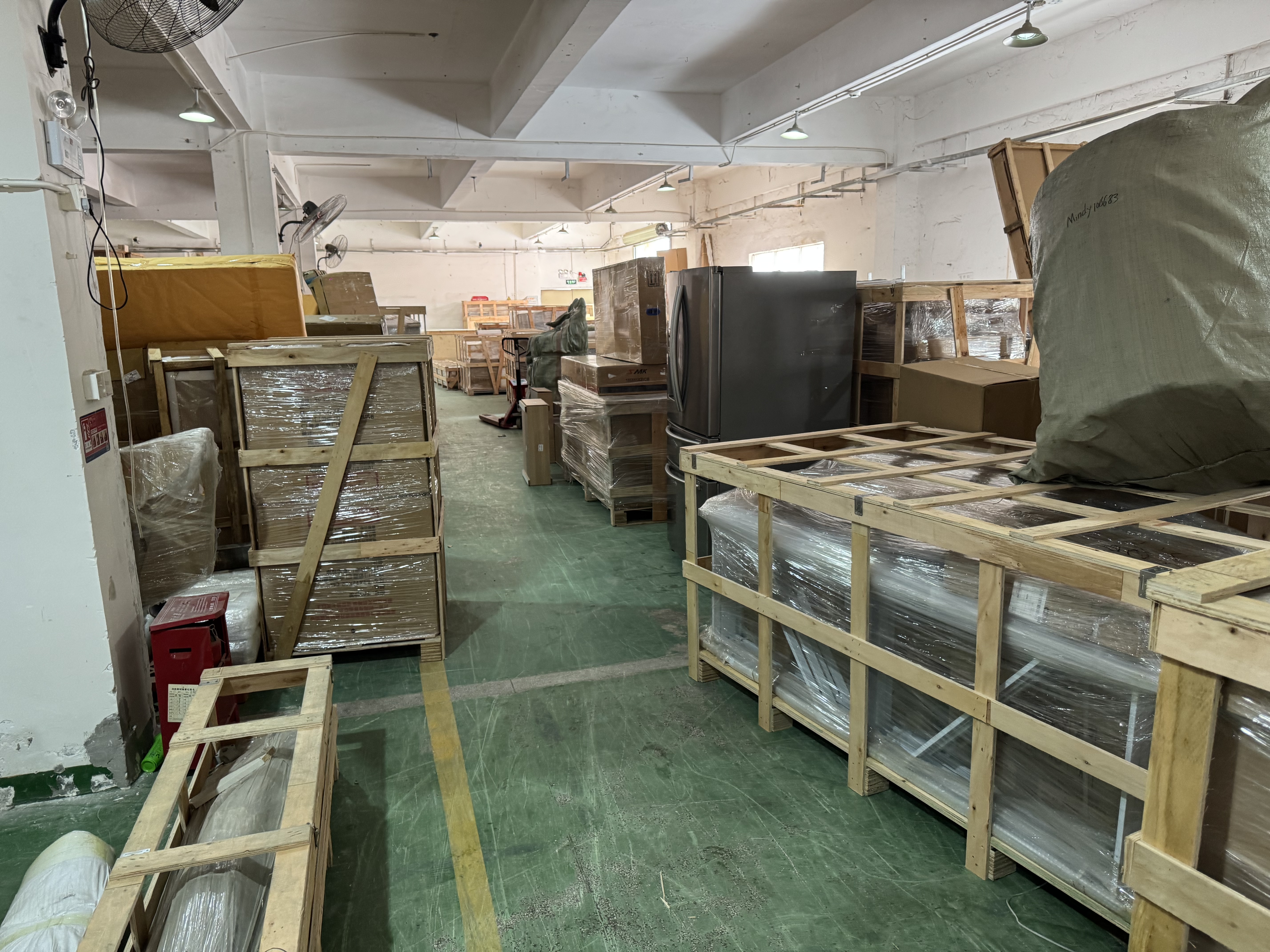
Hidden Costs: Some providers may have hidden costs. They might offer a low initial quote but then add on extra charges for things like handling fees, storage fees, or customs brokerage. Before choosing a logistics provider, make sure to get a detailed breakdown of all costs.
VI. FAQ
Q: How can I ensure my goods meet the biosecurity requirements in 2026? A: First, check the DAFF website for the latest regulations. Make sure to source any items that may pose a biosecurity risk from suppliers who can provide proper treatment certificates. For example, if you're importing wooden furniture, ask the supplier for a valid heat - treatment or fumigation certificate.
Q: What should I do if my shipment is held up at customs due to incorrect documentation? A: Contact your logistics provider immediately. They can help you rectify the situation. Provide them with all the correct information as soon as possible. In some cases, you may need to pay a small fine for the delay, but it's better than having your goods confiscated.
Q: How do I choose a reliable logistics provider? A: Look for providers with a good track record on the China - Australia route. Check their experience, customer reviews, and if they have a clear understanding of the 2026 regulations. You can also ask for a detailed cost breakdown upfront to avoid any hidden costs.
Q: Can I use any packaging materials for my goods? A: No, you can't. You need to use strong and appropriate packaging materials, especially for fragile items. For example, use bubble wrap, foam inserts, and sturdy cardboard boxes. Avoid using old or damaged packaging materials.
Q: What if my goods are damaged during transit? A: If you've chosen a reliable logistics provider like [Shengda International Logistics], they usually have a proper claims process. Make sure to document the damage as soon as you receive the goods. Take photos and provide a detailed description. The provider will then assess the situation and process your claim according to their policy.
In the end, by avoiding these common pitfalls in international house removal to Australia in 2026, you can ensure a smooth and successful shipping process. Always stay informed about the latest policies and choose your logistics partners carefully.
