

I. Introduction
Doing business or moving across borders into Australia? If you're planning to transport personal effects via sea freight to Australia in 2026, you've likely encountered various hurdles. Believe me, I've been in the thick of it as a front - line practitioner in cross - border logistics between China and Australia. I've seen businesses and individuals lose time, money, and even goods due to avoidable mistakes. But fret not! In this guide, I'll share invaluable insights from my hands - on experience to help you navigate this process smoothly.
II. Understanding the 2026 Policy Changes
Biosecurity Updates In 2026, the Department of Agriculture, Fisheries and Forestry (DAFF) has tightened its regulations on imported personal effects. There's a heightened focus on preventing the entry of pests and diseases. For instance, certain wooden items now require more detailed inspection and possible treatment. I had a client last year who shipped a beautiful antique wooden dresser from Shenzhen to Sydney. Due to new regulations, the dresser had to be quarantined for roughly 14 days for biosecurity checks. This led to delays and additional costs. To avoid such situations, you must ensure that your wooden items are properly treated and declared.Customs Valuation and Declaration The Australian Border Force (ABF) has updated its customs valuation methods. Now, when declaring your personal effects, you need to provide more accurate and detailed information about the value of each item. For example, if you're shipping second - hand electronics, you should be able to justify their value based on their age, condition, and market value. Incorrect declarations can lead to penalties and longer customs clearance times.
III. Shipping Options: Suitability and Considerations
Shipping Line Selection Major shipping lines like Maersk and CMA CGM operate on the China - Australia route. However, they have different schedules and service levels. Maersk, for instance, is known for its reliability and wide - range of coverage. In a case where an apparel importer in Melbourne needed to ship a large quantity of clothing from Shanghai, choosing Maersk helped them ensure timely delivery with minimal disruptions. But keep in mind, using well - known shipping lines can be more expensive. On the other hand, smaller shipping lines may offer more competitive prices but have less comprehensive service networks.Container Types 20 - foot Containers: Ideal for small - scale shipments or when you don't have a large volume of personal effects. They're more cost - effective for short - term use and are easier to handle for smaller businesses or individuals.
40 - foot Containers: Suitable for larger shipments, such as when a trade factory in Brisbane is moving a significant amount of equipment and inventory from China. They offer more space and can often be more economical in terms of cost per unit volume.
IV. Customs Clearance Process
Required Documents Bill of Lading: This is a crucial document that serves as proof of shipment and ownership of the goods.Packing List: It details the contents of your shipment, including item descriptions, quantities, and weights.
Customs Declaration Form: You must fill out this form accurately, providing details about the value, origin, and nature of your personal effects. Missing or incorrect documents can cause significant delays. I once worked with a home goods seller who shipped a consignment to Port Botany. They failed to include a detailed packing list, which led to a hold - up at customs for about 7 working days.
Customs Duties and Taxes In Australia, personal effects may be subject to customs duties and goods and services tax (GST). The amount depends on the value and nature of your items. For example, if you're shipping high - value luxury items, you'll likely pay higher duties. However, there are exemptions for certain personal items, such as clothing and shoes for personal use.
V. Packing and Preparation
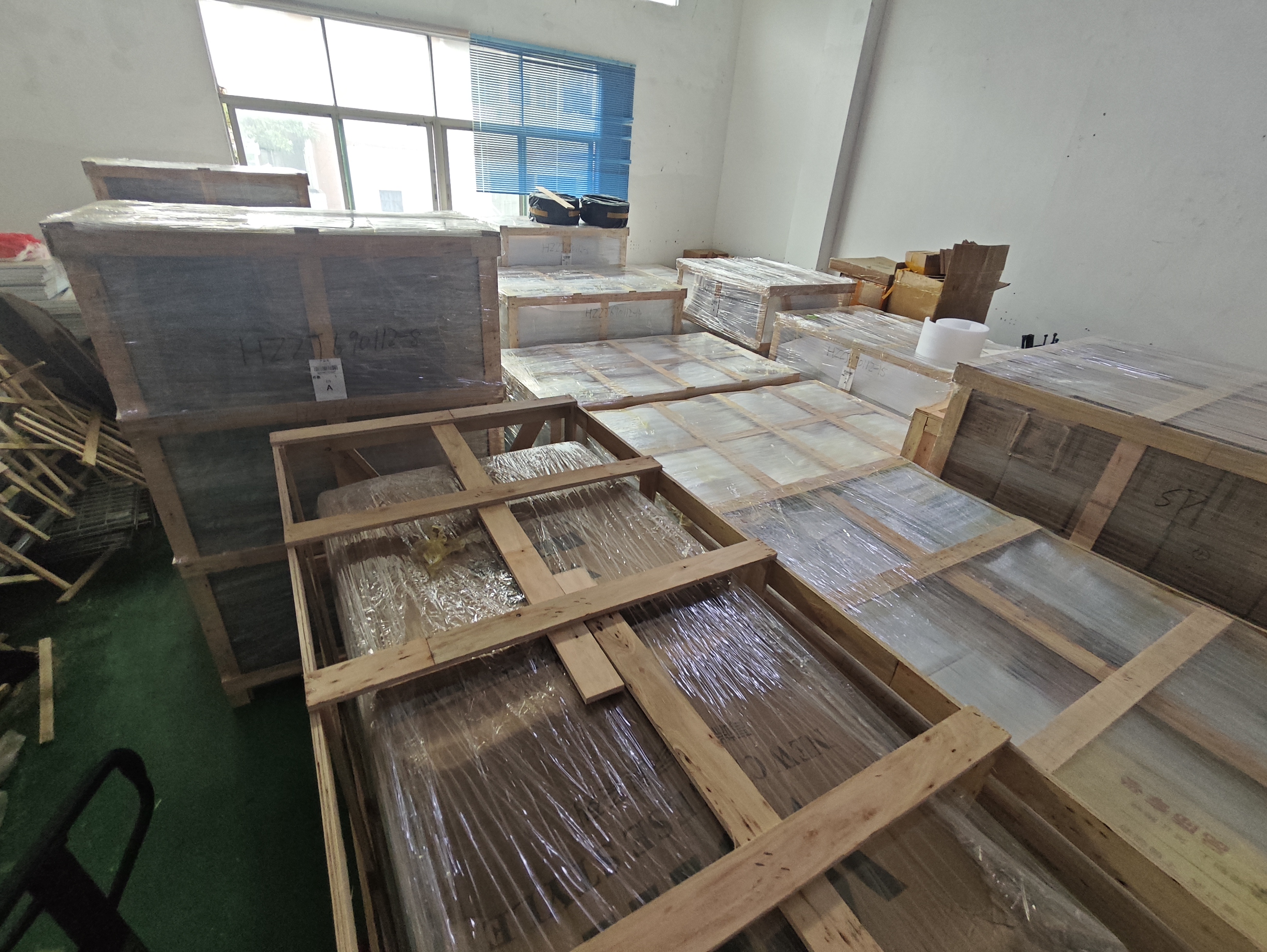
Proper Packing for Different Items
Fragile Items: Use plenty of cushioning materials like bubble wrap and foam. For glassware or porcelain, individual wrapping and reinforced boxes are a must.
Textiles and Clothing: Vacuum - sealing can save a lot of space and protect the items from moisture.
Electronics: Ensure that they're well - protected from shock and static. Keep all original packaging if possible.
Labeling and Marking Clearly label each box with your name, address, and a brief description of the contents. This helps both the shipping company and customs officials during handling and inspection.
VI. FAQ
Q: How long does it typically take for sea freight of personal effects from China to Australia? A: It usually takes around 25 - 35 days from the time of departure in China to arrival at an Australian port. However, this can vary depending on the shipping line, weather conditions, and customs clearance.Q: Can I ship food items as personal effects? A: Some food items are allowed, but they're subject to strict biosecurity regulations. You must declare all food items on your customs declaration form. High - risk items like fresh fruits, vegetables, and meat products may be prohibited or require special treatment.
Q: What should I do if my shipment is held at customs? A: First, stay calm. Contact your freight forwarding company, like [盛达国际物流], which can help you communicate with customs. Provide any additional information or documents they request promptly to resolve the issue as quickly as possible.
Q: Are there any weight and size restrictions for shipping personal effects? A: Yes, shipping lines have weight and size limits for containers. For a 20 - foot container, the maximum payload is usually around 21 - 28 metric tons, and for a 40 - foot container, it can be up to 26 - 30 metric tons. Also, the dimensions of the items should fit within the container's interior space.
Q: Can I track my shipment? A: Most shipping lines provide online tracking services. You can use the bill of lading number to monitor the status of your shipment, from departure to arrival. Some freight forwarders, like [盛达国际物流], also offer their own tracking systems for more detailed and real - time information.
As you gear up for your personal effects sea - freight journey to Australia in 2026, stay informed, plan well, and don't hesitate to seek professional help when needed. With the right approach, you can ensure a smooth and successful shipment.
