

I. Introduction
Shipping personal effects to Canada in 2026 can be a daunting task for many. I've seen numerous clients struggle with the process, facing issues like unexpected costs, delays, and customs problems. In this article, I'll draw on my years of first - hand experience in cross - border logistics to share the best strategies for this process.
II. Understanding the 2026 Policy Changes
In 2026, there have been some notable changes in the Canadian Border Services Agency (CBSA) policies regarding the import of personal effects. For instance, the documentation requirements have become more detailed. The CBSA now requires a comprehensive inventory list that includes descriptions, values, and the origin of each item.
I remember a client last year who had to resubmit his inventory list multiple times because the descriptions were too vague. As a result, his shipment was delayed for roughly 14 days. The new policies also have stricter regulations on the value of personal effects. If the total value exceeds a certain amount (C$2,000 as of now), additional duties and taxes may apply.
III. Selecting the Right Shipping Method (In - depth Section: 40% of the Article)
Air Freight
Advantages: Air freight is the fastest option. It's ideal for those who are moving urgently and have a relatively small volume of personal effects. For example, if you're a student moving to Vancouver for a new semester and only have a few suitcases and some essential items, air freight can get your belongings to you within 7 - 10 days. The tracking process is usually more reliable, so you can keep an eye on your shipment in real - time.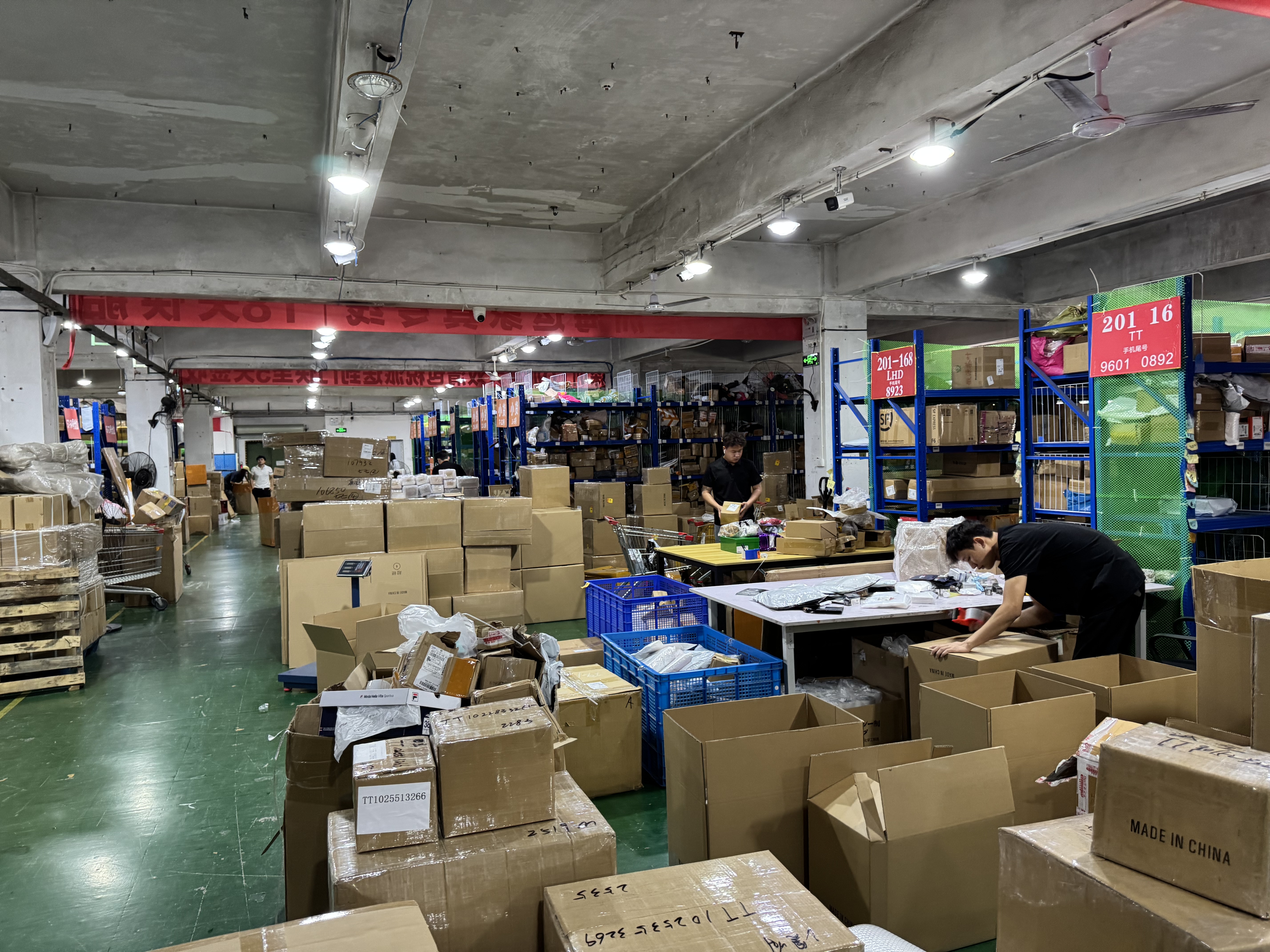
Disadvantages: However, it's also the most expensive option. The cost per kilogram can be 3 - 5 times higher than sea freight. There are also weight and size restrictions, so bulky items may not be suitable.
Sea Freight
Full - Container Shipping: This is great for large - volume shipments. If you're moving your entire household from Shanghai to Toronto, a 20 - foot or 40 - foot container can provide enough space for your furniture, appliances, and other personal effects. The cost per cubic meter is relatively low. Also, you have more control over your belongings as they are not shared with other shippers. But it takes a long time, usually around 30 - 40 days.Less - than - Container - Load (LCL) Shipping: For those with a moderate amount of personal effects, LCL is a cost - effective option. Your items will be grouped with others in a container. It's more affordable than full - container shipping, but there is a risk of damage due to multiple handling and the potential for delays if other shipments in the container have issues.
Rail or Road Freight (Often Used in Combination with Sea or Air) These can be used for the inland transportation part. For example, if your final destination in Canada is not near a major port, rail or road can transport your goods from the port to your home. Rail freight is relatively stable and cost - effective for long - distance inland transportation, while road freight offers more flexibility in terms of delivery locations and schedules.
IV. Preparing the Necessary Documentation
Inventory List: As mentioned earlier, a detailed inventory list is crucial. List each item, including its brand, model, quantity, value, and condition. This helps the CBSA determine if any duties or taxes are applicable.Bill of Lading or Air Waybill: This is a contract between you and the shipping carrier. It contains details about the shipment, such as the origin, destination, and description of the goods. Make sure all the information is accurate.
Customs Declaration: You need to declare the nature and value of your personal effects. Be honest in your declaration to avoid any issues with customs.
V. Packaging and Handling
Packaging Materials: Use high - quality packaging materials. For fragile items like glassware or electronics, use bubble wrap, foam, or packing peanuts. For furniture, consider using moving blankets or plastic wrap.Labeling: Clearly label each package with your name, destination address, and a brief description of the contents. This makes it easier for the carrier to handle and deliver your shipments.
VI. Choosing a Reliable Logistics Provider
I always recommend working with a reliable logistics provider. For example, [盛达国际物流] has a lot of experience in shipping personal effects to Canada. They have a deep understanding of the 2026 policies and can help you navigate through the customs process. They offer a one - stop service that includes packaging, documentation preparation, shipping, and customs clearance.A client of mine used [盛达国际物流] to ship his household items to Calgary. The process was smooth from start to finish. The company took care of all the paperwork and ensured that the shipment arrived on time without any damage.
VII. FAQs
Q: How long does it take to ship personal effects from China to Canada? A: It depends on the shipping method. Air freight usually takes 7 - 10 days, while sea freight can take 30 - 40 days. Rail or road transportation within Canada may add a few more days depending on the distance to your final destination.Q: Do I need to pay duties and taxes on my personal effects? A: If the total value of your personal effects exceeds C$2,000, you may need to pay additional duties and taxes. However, there are some exemptions for certain items, such as personal clothing and household goods that you've used for a certain period.
Q: Can I ship food items to Canada? A: You can ship some food items, but there are strict regulations. The Canadian Food Inspection Agency (CFIA) has rules about what types of food can be imported and requires proper documentation. For example, fresh fruits and vegetables may be restricted, while some packaged and non - perishable food items may be allowed.
Q: What if my shipment is damaged during transit? A: A reliable logistics provider like [盛达国际物流] has a standardized damage claim process. You should take photos of the damaged items as soon as you receive them and contact the provider immediately. They will guide you through the claim process and compensate you according to their policy.
Q: How can I ensure my shipment clears customs smoothly? A: Prepare accurate and detailed documentation, including the inventory list and customs declaration. Work with a logistics provider that has experience in Canadian customs clearance. They can help you comply with all the regulations and avoid any penalties or delays.
