

I. Introduction
Hey there, Australian small business owners, importers, and e - commerce sellers! You're probably gearing up for all sorts of business opportunities in 2026, especially when it comes to full container load (FCL) ocean freight to Canada. But let me tell you, I've been in the cross - border logistics front line for a while, and there are plenty of pitfalls that can trip you up. I remember a client back in 2024 who was an apparel importer. They thought they had everything sorted for their FCL shipment to Vancouver, but they ended up facing some major headaches. So, let's dive into what you need to know to avoid these issues.
II. Pricing and Cost Pitfalls and How to Dodge Them
Hidden Costs Galore One of the biggest pain points in FCL ocean freight is hidden costs. Many carriers have additional fees that aren't always obvious at first glance. For example, there could be documentation fees, terminal handling charges, or congestion surcharges. In 2026, with new regulations in place, these costs might become even more complicated. A home goods seller I know once had an FCL shipment to Toronto. The initial quote seemed reasonable, but by the time the container arrived, they were hit with unexpected fees that added up to about 20% of the original freight cost.Solution: Always ask for a detailed breakdown of all costs upfront. Make sure you understand what each charge is for and whether it's a fixed or variable cost. Compare quotes from multiple carriers, but don't just go for the cheapest one. Sometimes, a slightly higher - priced quote with full transparency can save you a lot in the long run.
Rate Fluctuations Ocean freight rates are notoriously volatile. Factors like fuel prices, supply and demand, and geopolitical issues can cause rates to fluctuate wildly. In 2026, new trade policies between China and Canada might also impact these rates. For instance, if there are new tariffs or trade restrictions, it could drive up the cost of shipping.
Solution: Consider locking in a rate with your carrier. Some carriers offer fixed - rate contracts for a certain period. This can give you some stability in your shipping costs. Also, stay informed about market trends by subscribing to industry newsletters or following relevant market analysis.
III. Documentation and Customs Clearance Traps
Incorrect or Incomplete Documentation Customs clearance is a crucial part of the FCL shipping process, and incorrect or incomplete documentation can lead to serious delays. In 2026, the Canadian Border Services Agency (CBSA) has updated some of its requirements. For example, the eManifest system has become even more strict. An apparel importer I worked with had a shipment held up at the Port of Montreal because their bill of lading had a minor error in the product description.Solution: Double - check all your documentation. Make sure you have accurate information about the goods, including the correct HS codes, product descriptions, and quantities. If possible, work with a customs broker who is familiar with the Canadian regulations. They can help you ensure that all your paperwork is in order.
Customs Duties and Taxes Calculating customs duties and taxes can be a complex task. Different products are subject to different rates, and there are also various exemptions and special rules. In 2026, changes in the trade agreement might affect these calculations. For example, certain products might see a reduction in duties, while others could see an increase.
Solution: Use a reliable customs duty calculator. Some carriers or customs brokers offer this service. You can also consult the CBSA's official website for information on duty rates. If you're unsure about anything, don't hesitate to seek professional advice.
IV. Shipping Schedule and Delays
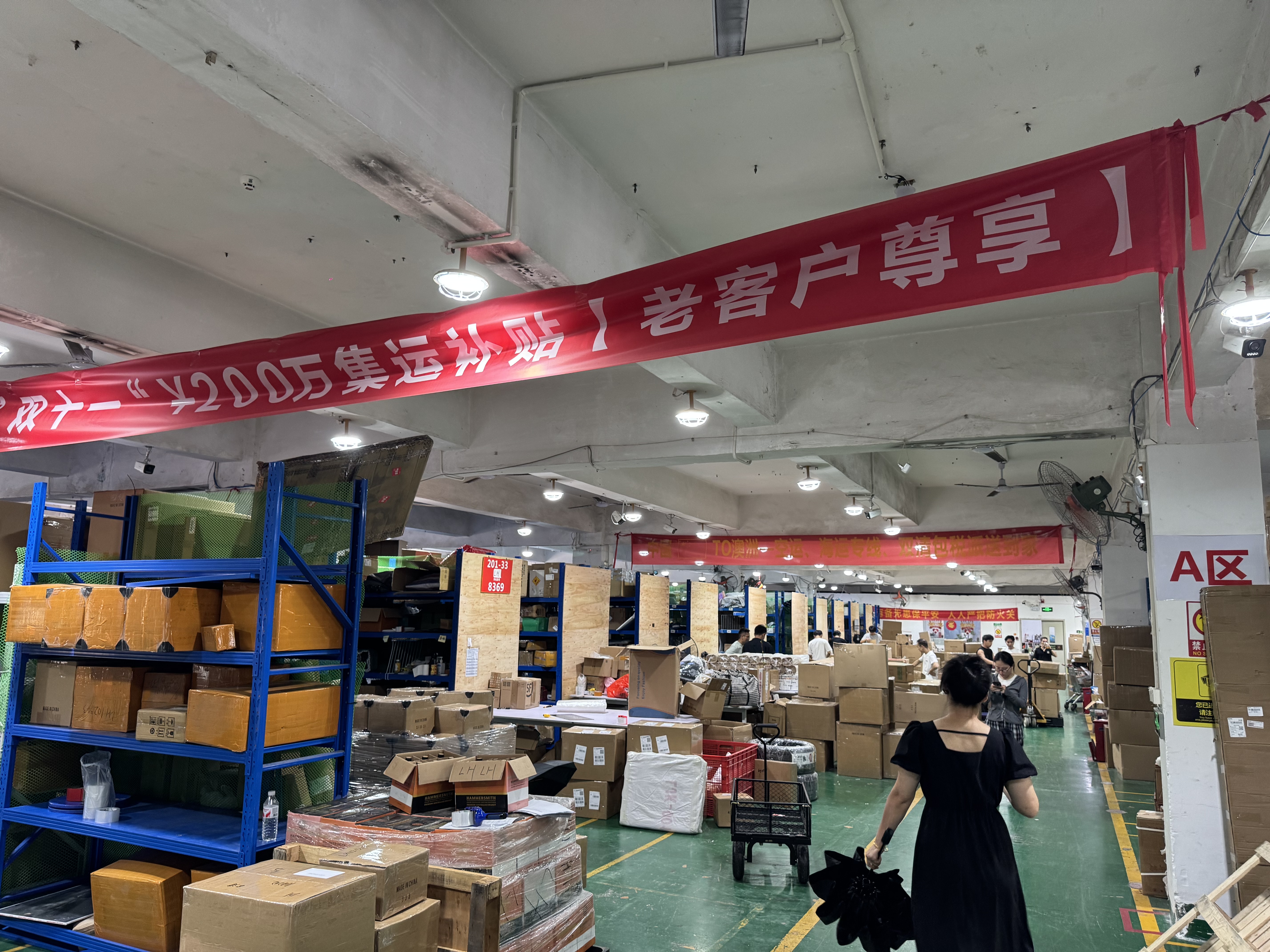
Solution: Plan your shipments well in advance. Try to avoid peak shipping seasons if possible. Also, choose carriers that have a good track record in dealing with port congestion. Some carriers have alternative routes or can provide better visibility on the port situation.
Vessel Scheduling Changes Vessel schedules can change due to various reasons, such as bad weather, mechanical problems, or crew issues. These changes can disrupt your shipping plans and cause delays. In 2026, new environmental regulations for vessels might also impact their schedules.
Solution: Stay in close contact with your carrier. Most carriers provide regular updates on vessel schedules. You can also consider getting insurance that covers delays in case of unforeseen circumstances.
V. FAQ
Q: How can I find a reliable carrier for FCL ocean freight to Canada in 2026? A: Look for carriers with a good reputation in the industry. Check their track record in terms of on - time delivery, handling of documentation, and customer service. You can also ask for recommendations from other importers or business owners. For example, [盛达国际物流] is a great option as they have a team of experienced professionals who are well - versed in the 2026 regulations and can provide a seamless FCL shipping experience.Q: What if my goods are damaged during FCL ocean freight? A: Make sure you have proper insurance for your shipment. In case of damage, you should immediately inform your carrier and start the claim process. Some carriers, like [盛达国际物流], have a formal claims procedure and can guide you through it. They also have measures in place to prevent damage, such as proper packing and handling.
Q: Can I make changes to my shipment after it has been booked? A: It depends on the carrier and the stage of the shipping process. Generally, the earlier you make the changes, the easier it will be. However, there might be some fees associated with changes. Contact your carrier as soon as possible if you need to make any modifications.
Q: How can I reduce the overall cost of FCL ocean freight to Canada? A: As mentioned earlier, getting a detailed breakdown of costs and comparing quotes from multiple carriers is a good start. You can also try to consolidate your shipments if possible to take advantage of economies of scale. Additionally, working with a logistics provider like [盛达国际物流] can help you optimize your shipping costs as they have access to better rates and can offer cost - saving solutions.
So, there you have it! By being aware of these potential pitfalls and taking the right precautions, you can ensure a smooth FCL ocean freight experience to Canada in 2026. Remember, it's always better to be prepared than to face unexpected problems down the road.
