

I. Introduction
Hey there, Australian small business owners, importers, and e - commerce sellers! If you're in the business of importing furniture from China, you're probably well - aware of the challenges and choices in shipping. I've been in the cross - border logistics game for years, and I've seen firsthand how the wrong shipping channel can lead to headaches, delays, and extra costs. In 2026, with new policies and market dynamics, choosing the best shipping channel for your furniture is more crucial than ever.
II. Common Shipping Channels and Their Features
1. Air Freight
Air freight is known for its speed. You can get your furniture from China to major Australian cities like Sydney or Melbourne in roughly 7 - 12 days. It's a great option if you have a small quantity of high - value furniture or if you're in a hurry to restock your inventory. However, it comes with a hefty price tag. The cost per kilogram for air freight can be 5 to 10 times higher than sea freight. I once had a client who needed a small batch of designer chairs to be displayed at an upcoming trade show in Brisbane. They chose air freight, and although it was expensive, the chairs arrived in time, and they were able to make a great impression. But for large - scale furniture imports, air freight may not be cost - effective.
2. Sea Freight
Sea freight is the go - to option for most furniture importers. There are two main types: FCL (Full Container Load) and LCL (Less than Container Load).
FCL: This is suitable when you have enough furniture to fill an entire container. You can choose from 20GP, 40GP, or 40HQ containers according to your volume. The advantage of FCL is that your goods have less handling during transit, which reduces the risk of damage. Also, the shipping time is more predictable. For example, if you're shipping from a major Chinese port to Port Botany in Sydney, it usually takes around 20 - 25 days. But you need to have enough goods to fill the container; otherwise, you'll be paying for unused space.LCL: If you don't have enough furniture to fill a container, LCL is a good choice. Your furniture will be grouped with other shippers' goods in a container. It's more cost - effective for small to medium - sized orders. However, the transit time may be longer because of the additional consolidation and de - consolidation processes. And there's a slightly higher risk of damage during handling.
III. In - Depth Analysis of Sea Freight (40% of the Article)
1. Cost Structure of Sea Freight
The cost of sea freight for furniture from China to Australia consists of several components:
Freight Charges: This is the basic cost for transporting the container. It depends on the container size, the shipping route, and market conditions. For example, in 2026, the freight charge for a 20GP from Shanghai to the Port of Melbourne might be around $1500 - $2000, while a 40HQ could cost $2500 - $3500.Terminal Handling Charges (THC): These are fees charged by the ports at both the origin and destination for handling the container. In China, the THC for a 20GP might be around $200, and a 40HQ could be around $300. In Australia, it varies by port but is usually in a similar range.
Customs Clearance Fees: You'll need to pay for customs clearance services. This can include document preparation, duty calculation, and communication with the Australian Border Force (ABF). The cost can range from a few hundred dollars to over a thousand dollars, depending on the complexity of your shipment.
Delivery Charges: Once the furniture arrives at the Australian port, you need to transport it to your warehouse or store. The delivery charge depends on the distance, the quantity of furniture, and the type of vehicle required.
2. Customs and Biosecurity Regulations in 2026
In 2026, the Australian government has tightened its biosecurity regulations. Furniture made of wood or with wooden components needs to be properly treated to prevent the introduction of pests and diseases. You may need to provide a phytosanitary certificate to prove that the wood has been treated according to Australian standards. For example, if your furniture has raw wood parts, it may need to be fumigated or heat - treated.
The customs valuation process has also become more detailed. The ABF will assess the value of your furniture based on the transaction value, including the cost of the goods, shipping, and insurance. Incorrect valuation can lead to delays in customs clearance and potential fines.
3. Real - life Case of FCL Sea Freight
I had a client, a home goods seller in Melbourne. They were importing a large quantity of wooden dining sets from a factory in China. They decided to use FCL sea freight for a 40HQ container. They worked closely with a reliable freight forwarder to ensure all the necessary documents were in order, including the phytosanitary certificate. The shipment took about 22 days to reach the Port of Melbourne. During customs clearance, there were no major issues because they had followed all the regulations. The furniture was then delivered to their warehouse, and they were able to restock their store in time for the upcoming sales season.
IV. Choosing the Right Shipping Channel
1. Based on Quantity
If you're importing a large quantity of furniture (more than 15 - 20 cubic meters), FCL sea freight is usually the best option. It offers better cost - efficiency and less risk of damage.For small to medium - sized orders (less than 15 cubic meters), LCL sea freight or even air freight (if time is of the essence) could be considered.
2. Based on Budget
If you have a tight budget, sea freight is the obvious choice. Air freight should be reserved for high - value, small - quantity orders or in urgent situations.
3. Based on Time Sensitivity
If you need your furniture quickly, air freight is the way to go. But if you can tolerate a longer transit time, sea freight provides a more cost - effective solution.
V. FAQ
1. How can I ensure my furniture passes the Australian biosecurity inspection?
Make sure your furniture made of wood or with wooden components is properly treated. You should work with your Chinese supplier to obtain a phytosanitary certificate. Before shipping, have a pre - inspection to check for any signs of pests or damage.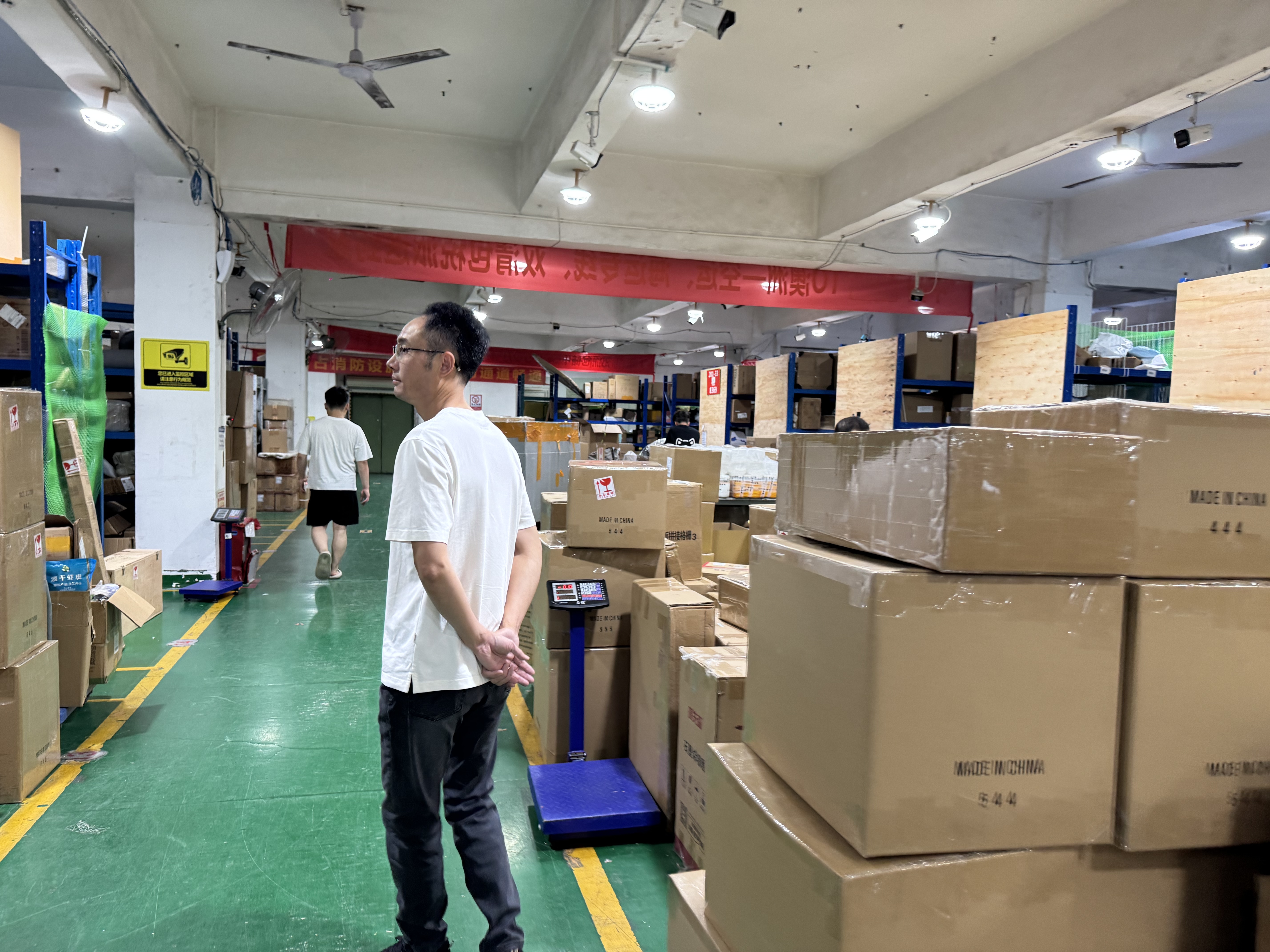
2. What if my furniture is held up at customs?
This could be due to various reasons, such as incorrect documentation or customs valuation issues. Contact your freight forwarder immediately. They can communicate with the customs authorities on your behalf and help resolve the problem. In some cases, you may need to provide additional information or pay any outstanding duties.3. Can I use air freight for large furniture items?
It's possible but not very practical or cost - effective. Air freight has weight and size restrictions. Large furniture items are usually bulky and heavy, which will result in extremely high shipping costs. Sea freight is a much better option for large furniture.4. Should I work with a freight forwarder or handle the shipping myself?
A freight forwarder has the expertise and experience in cross - border shipping. They can help you navigate the complex customs regulations, choose the right shipping channel, and handle all the documentation. While you can handle the shipping yourself, it can be a time - consuming and error - prone process, especially if you're new to importing furniture from China.5. How does the new customs valuation policy in 2026 affect my shipping costs?
The new policy requires a more accurate valuation of your furniture. If the value is accurately declared, it won't directly increase your shipping costs. However, if the customs authorities find that the valuation is inaccurate, you may need to pay additional duties and face potential fines. So, it's important to ensure you have proper documentation to support the declared value.In 2026, when choosing the best shipping channel for furniture from China to Australia, consider all these factors and make an informed decision. And keep in mind that working with a reliable service provider like Shengda International Logistics can simplify the process and help you avoid many potential issues.
