

I. Introduction
Hey there, Australian immigrants! Moving to a new country is an exciting adventure, but when it comes to container moves in 2026, there are a bunch of things you might not be aware of. I've been in the cross - border logistics business for quite some time, and I've seen firsthand how many immigrants face challenges during their container moves. This article aims to shed some light on what you need to know.
II. Policy Changes in 2026
Customs and Biosecurity Updates
In 2026, the Australian Border Force (ABF) and the Department of Agriculture, Fisheries and Forestry (DAFF) have tightened their biosecurity regulations. For example, certain types of wooden products need to have a proper phytosanitary certificate. If you're moving items like antique wooden furniture from countries with a high risk of pests, you'll have to make sure it meets the new standards. I once had a client from China who was moving a beautiful old wooden wardrobe. It was held up at Port Botany because the phytosanitary certificate wasn't correctly filled out. After a lot of hassle and extra costs, they finally got it sorted.Customs valuation methods have also become more strict. You need to accurately declare the value of all your items in the container. If the declared value is significantly lower than the market value, your container might be subject to a more detailed inspection.
Documentation Requirements
The documentation needed for container moves has become more comprehensive. You'll need a detailed inventory list that includes not only the name and quantity of each item but also its estimated value, origin, and material composition. When sending in this list, make sure it's in the correct format as specified by the ABF. Incorrect or incomplete documentation can lead to delays and additional fees.III. Choosing the Right Logistics Provider (In - Depth Section - 40% of the Article)
Experience in Immigrant Container Moves Look for a logistics provider with a proven track record in handling immigrant container moves. For instance, [盛达国际物流] has been in the business for a long time and has a dedicated team that understands the unique needs of immigrants. They've helped numerous clients move their belongings from China to various cities in Australia, like Sydney and Melbourne.A company with experience will know how to deal with different types of items. For example, if you have fragile items like glassware or delicate art pieces, an experienced provider will have proper packing and handling procedures in place. I remember a client who was moving a collection of glass vases from Shanghai. The logistics company they initially chose didn't have the right packing materials, and many of the vases arrived broken. When they switched to [盛达国际物流], the new provider used specialized foam padding and custom - made boxes, ensuring that all the vases arrived safely.
Cost - Effectiveness Cost is always a concern when it comes to container moves. However, don't just go for the cheapest option. Some providers might offer low prices but then add hidden fees later. [盛达国际物流] offers a transparent pricing model. They provide a detailed breakdown of all costs, including shipping fees, customs clearance fees, and any potential charges for additional services.
Specialized services for immigrants, like free storage for a certain period, can also save you money. [盛达国际物流] offers up to 365 days of free storage, which is great if you're not ready to receive your container immediately upon arrival in Australia.
Service Scope A good logistics provider should offer a comprehensive service. This includes door - to - door delivery, packing, unpacking, and even furniture assembly if needed. [盛达国际物流] provides all these services. They'll pick up your belongings from your old address in China, pack them securely, ship them to Australia, clear customs, and then deliver them to your new home in Australia.
They also have a team that can assist with customs clearance. This is crucial because the customs process can be quite complex, especially with the new regulations in 2026. The in - house customs clearance team at [盛达国际物流] has in - depth knowledge of the Australian customs requirements and can ensure that your container passes through customs smoothly.
IV. Packing and Preparing Your Items
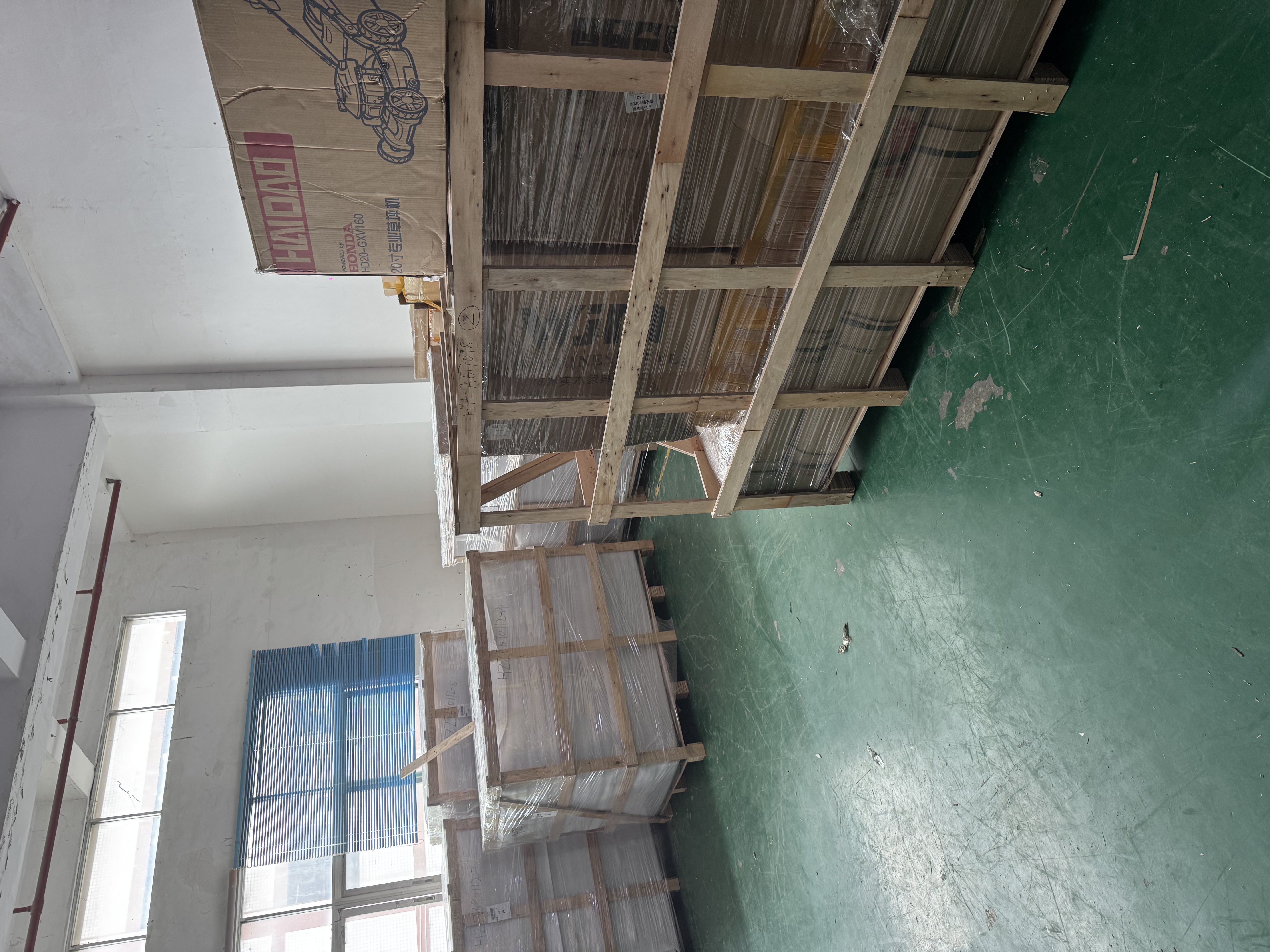
Packing Materials Use high - quality packing materials. For clothes, you can use vacuum - sealed bags to save space. For electronics, use anti - static bags and plenty of bubble wrap. I've seen many cases where items were damaged during transit because of poor packing materials.For larger items like furniture, consider using wooden crates or pallets for better protection. Make sure to label all your boxes clearly, indicating the contents and the room they should go to in your new home.
Item Restrictions There are certain items that are restricted or prohibited from being imported into Australia. These include some types of food, plants, and weapons. Make sure to check the official list provided by the ABF before packing your container. A common mistake is packing fresh fruits or vegetables, which can lead to the entire container being quarantined.
V. Transit and Delivery
Transit Time The transit time for container moves from China to Australia can vary depending on the shipping route and the season. On average, it takes roughly 18 - 22 days for a container to reach Sydney or Melbourne from major Chinese ports. However, factors like bad weather, port congestion, or labor strikes can cause delays.Delivery Arrangements Once your container arrives in Australia, make sure to coordinate with your logistics provider for the delivery. They'll need to know your new address and the best time to deliver. Some areas might have restrictions on large - vehicle access, so it's important to communicate these details in advance.
VI. FAQ
Q: How do I choose the right container size for my move? A: Well, it depends on the amount of stuff you have. A 20 - foot container can hold the contents of a small one - bedroom apartment, while a 40 - foot container is suitable for a larger home. You can provide an inventory list to your logistics provider, like [盛达国际物流], and they'll recommend the right size for you.Q: What should I do if my container is held up at customs? A: If your container is held up, first, don't panic. Contact your logistics provider immediately. They'll work with customs to find out the reason. It could be something as simple as incorrect documentation. [盛达国际物流] has an in - house customs team that can quickly resolve most customs - related issues.
Q: Can I track my container during transit? A: Yes, most reputable logistics providers offer container tracking services. [盛达国际物流] has a self - developed intelligent freight forwarding system that allows you to track your container in real - time. You can see where your container is at any stage of the journey.
Q: Do I need insurance for my container move? A: It's highly recommended. Even though the logistics provider takes precautions, there's always a risk of damage or loss during transit. Insurance can give you peace of mind. [盛达国际物流] offers insurance options, and they can help you choose the right coverage for your items.
Q: What if I need to store my container for a while in Australia? A: Some logistics providers offer storage services. [盛达国际物流] provides up to 365 days of free storage. Once you're ready, they can then deliver your container to your new address.
As you prepare for your container move in 2026, keep these points in mind. It'll help you have a smooth and stress - free relocation to Australia. Good luck with your new adventure!
