

I. Introduction
In 2026, the package forwarding service from China to Canada has become increasingly popular among Canadian small business owners, importers, and e - commerce sellers. However, there are many pitfalls and details in this process. I've been in the cross - border logistics industry for years, and I've seen a lot of clients facing various problems. For example, a home goods seller in Vancouver once had his shipment delayed for weeks because of improper documentation. So, let's dive into what you really need to know about this service.
II. Advantages and Disadvantages of China - Canada Package Forwarding Service
1. Advantages
Cost - effectiveness: Chinese products are often more affordable, and with proper package forwarding services, you can save on shipping costs. For example, by using a service like Shengda International Logistics' sea freight consolidation service, you can share the container space with other shippers, which significantly reduces the cost per unit.Wide product selection: China is the world's factory, offering a vast range of products from electronics to apparel. You can source unique products that may not be easily available in Canada.
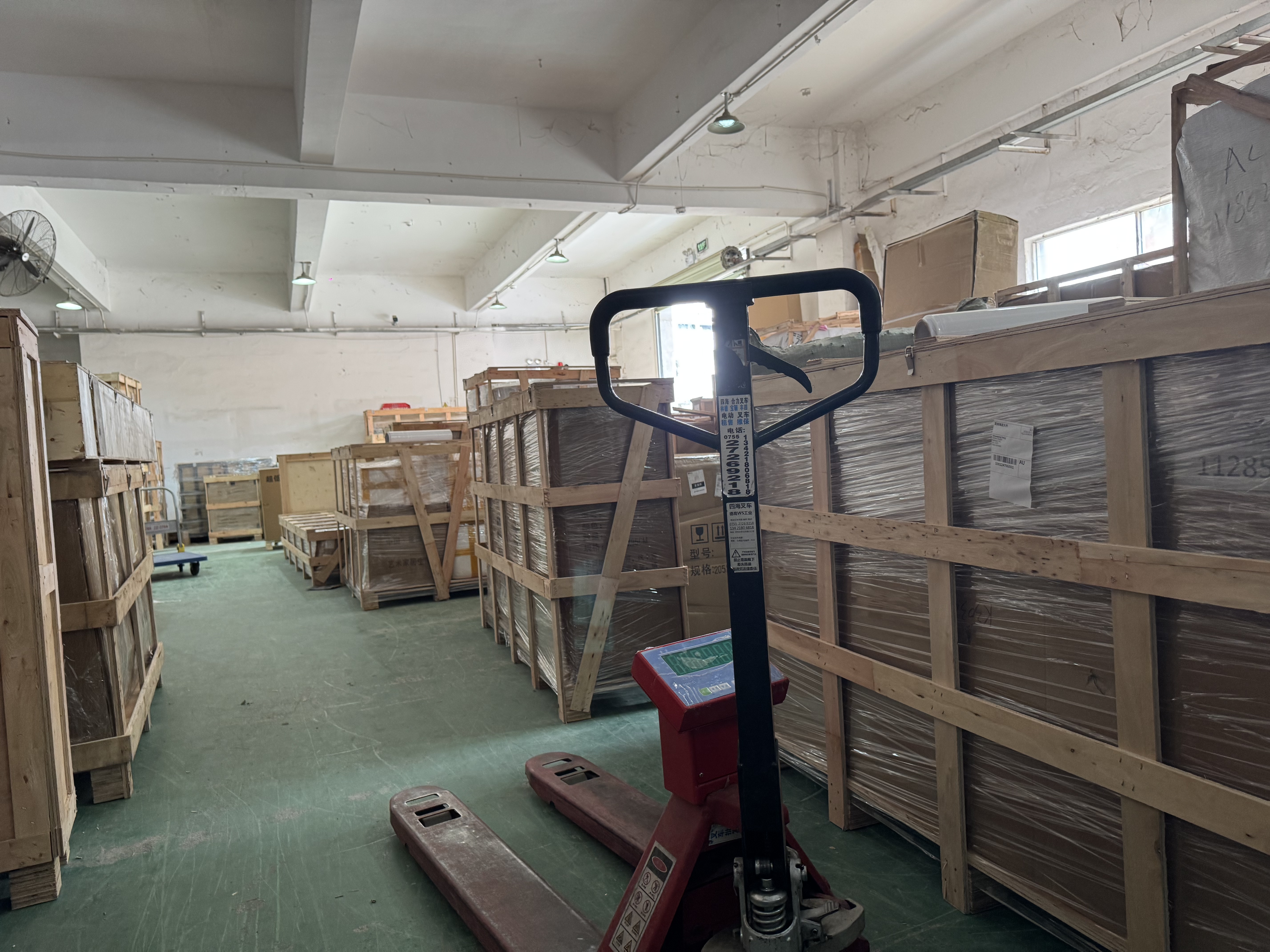
Customized services: Some forwarding companies, such as Shengda International, provide a variety of value - added services. They offer free package consolidation, which means they can combine multiple packages into one, reducing the overall shipping volume and cost. They also offer long - term free storage, allowing you to stock up your goods and ship them when it's most convenient.
2. Disadvantages
Longer shipping times: Sea freight, which is a common and cost - effective option, can take a relatively long time. It usually takes roughly 25 - 35 days for a shipment to reach Canada from China, depending on the port of departure and arrival. This can be a problem if you have urgent orders.Customs clearance issues: The Canadian Border Services Agency (CBSA) has strict regulations. Incorrect documentation, misdeclared goods, or non - compliance with safety and quality standards can lead to delays or even confiscation of goods. For instance, if you're shipping food products, you need to comply with the Canadian Food Inspection Agency (CFIA) regulations, or the goods may be held at the border.
III. Key Considerations for Choosing a Package Forwarding Service
1. Service Scope
A good forwarding service should cover all aspects of the shipping process. This includes pick - up from suppliers in China, warehousing, packaging, customs clearance, and final delivery in Canada. Shengda International Logistics offers a one - stop service, handling everything from the moment your goods leave the supplier until they reach your doorstep in Canada.
2. Pricing
Pricing is a crucial factor. You need to look for a service with transparent pricing. Avoid companies that have hidden fees. Shengda International adopts an all - inclusive pricing model, clearly listing all the costs such as shipping fees, customs duties, and delivery fees. They also offer different pricing options based on the type of service (air freight, sea freight, etc.) and the volume of your goods.
3. Reputation and Experience
Check the company's reputation in the market. Look for customer reviews and testimonials. A company with years of experience in China - Canada package forwarding is more likely to handle problems smoothly. Shengda International has been in the industry for a long time, with a team of over 40 professionals who each have more than 10 years of experience in international logistics. They have served hundreds of thousands of customers, which is a strong testament to their reliability.
IV. Shipping Modes and Their Characteristics
1. Air Freight
Speed: Air freight is the fastest option. It usually takes 7 - 12 days for a shipment to reach Canada from China. This is ideal for small, high - value, or urgent items such as 3C electronics.Cost: It is more expensive than sea freight. However, if you consider the time - sensitive nature of your goods, the cost may be justified.
Limitations: There are weight and size restrictions. Also, air freight may not be suitable for large - volume shipments.
2. Sea Freight
Cost - effectiveness: Sea freight is much cheaper for large - volume shipments. For example, if you're an apparel importer shipping a large quantity of clothing, sea freight can save you a significant amount of money.Time: As mentioned earlier, it takes longer, usually around 25 - 35 days.
Types: There are two main types - full - container load (FCL) and less - than - container load (LCL). FCL is suitable for large - scale importers, while LCL is more appropriate for small - to - medium - sized businesses or those with smaller shipments.
V. Customs Clearance in 2026
In 2026, there have been some changes in the customs clearance process between China and Canada. The CBSA has tightened its inspection procedures to ensure the safety and compliance of imported goods.
Documentation: You need to provide accurate and complete documentation, including commercial invoices, packing lists, and certificates of origin. Incorrect or incomplete documentation can lead to delays. For example, if the value of your goods is misdeclared on the invoice, it may trigger a customs audit.HS Codes: Make sure you use the correct Harmonized System (HS) codes for your goods. These codes are used to determine the customs duties and taxes applicable to your shipment. Using the wrong code can result in over - or under - payment of duties.
VI. FAQ
1. How can I ensure my goods pass customs smoothly?
Well, first of all, make sure you have all the correct documentation. Double - check the commercial invoice, packing list, and certificates of origin. Use the right HS codes for your goods. If you're shipping sensitive goods like food or cosmetics, comply with the relevant regulations of the CFIA. Also, working with a professional forwarding service like Shengda International can be very helpful. They have a lot of experience in customs clearance and can guide you through the process.
2. What if my shipment is delayed?
Delays can happen due to various reasons such as bad weather, customs inspections, or port congestion. If you're using a reliable forwarding service, they should keep you informed about the status of your shipment. For example, Shengda International has a real - time tracking system that allows you to monitor the progress of your goods. If the delay is due to the service provider's fault, they usually have a compensation mechanism in place.
3. Can I ship sensitive goods from China to Canada?
Yes, you can, but it's a bit more complicated. You need to use a service with a special compliance channel. Shengda International has a dedicated sensitive goods compliance专线. They have experience in handling goods like food, cosmetics, and带电 products. They'll help you with the proper申报 and ensure that your goods meet the relevant safety and quality standards.
4. How do I choose between air freight and sea freight?
It depends on your specific needs. If you have urgent orders or small, high - value items, air freight is a better choice. It's fast but more expensive. On the other hand, if you're shipping large - volume goods and time isn't a critical factor, sea freight is more cost - effective. Consider the nature of your goods, your budget, and the delivery time requirements when making the decision.
5. What are the storage options available?
Many forwarding services offer storage facilities. Shengda International provides 365 - day long - term free storage. This is very useful if you want to stock up your goods in China and ship them in batches. You can take your time to accumulate enough goods to fill a container or to wait for a better shipping rate. But remember, different services may have different storage policies, so make sure you understand the terms before using the service.
In the future, the China - Canada package forwarding service will continue to evolve. Keep an eye on the policy changes and choose a reliable service provider to ensure the smooth operation of your business.
