

I. Introduction
Hey there, Australian small business owners, importers, and e - commerce sellers! Are you wrestling with the challenges of baggage forwarding from China to Australia in 2026? Well, you're not alone. I've seen tons of clients facing headaches like high costs, long shipping times, and customs issues. But don't worry, I'm here to share my first - hand experience to help you navigate these problems.
II. 2026 Policy Update
One of the most significant changes in 2026 is related to the Australian Border Force (ABF) regulations. The ABF has tightened its scrutiny on biosecurity and customs valuation. Biosecurity measures have been enhanced since last year, with a primary focus on ensuring that no pests or diseases are introduced into Australia through imported goods. For instance, items made of wood, animal products, or plants may face more stringent inspections. You'll need to provide detailed documentation to prove that your goods comply with the biosecurity requirements. Just last month, I had a client who shipped a batch of wooden handicrafts from Shanghai to Sydney. His cargo was held up at Port Botany for almost a week because the biosecurity certificate was incomplete.
When it comes to customs valuation, the ABF has updated its methods to ensure that goods are accurately taxed. They're now more strict about verifying the declared value of your shipments. This means you'll need to be extra careful when declaring the value of your baggage. Over - or under - valuation can lead to fines or delays.
III. Key Steps in Baggage Forwarding
1. Choose the Right Logistics Provider
Selecting a reliable logistics company is crucial. I've seen many of my clients struggle due to poor - quality logistics services. They've faced issues like lost packages, long - term delays, and hidden fees. That's why I highly recommend Shengda International Logistics. They have over 40 full - time professionals with more than 10 years of experience in international shipping. They offer a full range of services tailored to different needs, from small - scale e - commerce sellers to large importers.
2. Sort and Pack Your Baggage
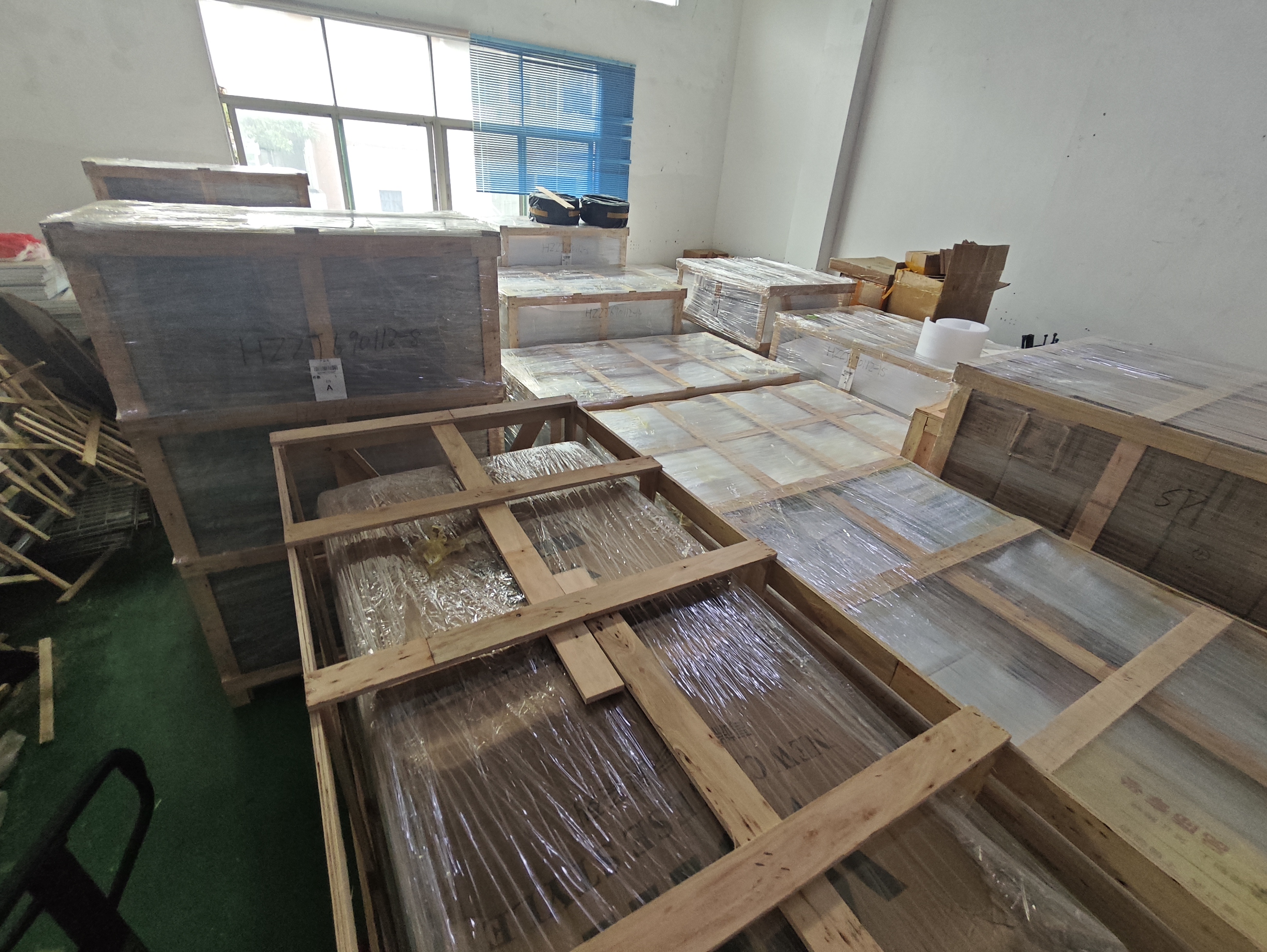
Before shipping, you need to sort your items. Items that are subject to strict biosecurity or customs regulations should be separated. For example, food items, which are sensitive goods, need to be properly declared. When packing, ensure that your items are well - protected. Use suitable packing materials like bubble wrap, foam, and sturdy boxes. Fragile items should be marked clearly.
3. Prepare the Documents
Accurate documentation is essential for a smooth shipping process. You'll need to provide a commercial invoice, packing list, and a bill of lading. The commercial invoice should include details such as the description of the goods, quantity, unit price, and total value. The packing list gives a breakdown of the contents in each package. Make sure the information on all the documents is consistent.
4. Shipping and Tracking
Once your baggage is ready for shipping, the logistics provider will arrange for transportation. You can choose between air freight and sea freight based on your needs. Air freight is faster, usually taking 7 - 12 days, but it's more expensive. Sea freight is more cost - effective but slower, taking roughly 20 - 35 days. With Shengda International Logistics, you can track your shipment at every stage using their self - developed logistics system, so you always know where your cargo is.
IV. Cost Breakdown
Shipping costs can vary widely depending on several factors, including the weight, volume, shipping method, and destination. Here's a rough breakdown:
| Shipping Method | Factors Affecting Cost | Estimated Cost |
|---|---|---|
| Air Freight | Weight, urgency, and fuel surcharges | Approximately AUD 20 - 50 per kilogram |
| Sea Freight (LCL - Less than Container Load) | Cubic meters, port fees, and customs clearance | Around AUD 150 - 350 per cubic meter |
| Sea Freight (FCL - Full Container Load) | Container size (20GP, 40GP, 40HQ), destination port, and seasonality | From AUD 1500 - 3000 for a 20GP container |
It's important to note that these are just estimates, and the actual cost may be higher or lower depending on the specific circumstances.
V. Pain Points and Solutions
1. Customs Delays
Customs delays can be a real headache. They can be caused by incorrect documentation, incomplete declarations, or increased inspection. For example, a 3C electronics seller in Shenzhen once shipped a large order to Melbourne. The shipment was delayed because the product specifications on the invoice did not match those in the customs system. To avoid this, make sure all your documentation is accurate and complete. Using a logistics provider with experienced customs clearance teams, like Shengda International Logistics, can also help reduce the risk of delays.
2. High Shipping Costs
High shipping costs can eat into your profits. To save on costs, consider consolidating your shipments if possible. Instead of sending multiple small packages, combine them into one larger shipment. You can also negotiate better rates with your logistics provider, especially if you have a long - term partnership or a large volume of shipments.
3. Damage to Goods
During transit, goods can get damaged. This is particularly a problem for fragile items. To prevent damage, use high - quality packing materials and proper packing methods. Ask your logistics provider about special handling services for fragile goods. Shengda International Logistics offers extra protection for fragile items, including multi - layer shock - proof packaging.
VI. FAQ
Q1: What types of goods are restricted or prohibited for shipment to Australia? A: Well, Australia has strict biosecurity regulations. Goods like fresh food, some plants, animal products, and uncertified wooden items are often restricted. Some illegal or dangerous items are, of course, prohibited. It's best to check the official ABF website for the most up - to - date information. Our company, Shengda International Logistics, also provides guidance on restricted and prohibited items to help you avoid issues.
Q2: How long does it usually take to clear customs in Australia? A: It varies. In normal circumstances, customs clearance can take 1 - 3 working days. But if your shipment is selected for detailed inspection, it could take longer, maybe up to a week or even more. Our experienced customs clearance team at Shengda International Logistics tries to speed up the process as much as possible by ensuring all documentation is in order.
Q3: Can I track my shipment? A: Absolutely! With most modern logistics providers, including Shengda International Logistics, you can track your shipment. We use a self - developed logistics system that allows you to monitor the status of your cargo from the moment it leaves the warehouse in China until it reaches your destination in Australia. You can see where it is, if there are any delays, and when it's expected to arrive.
Q4: What if my goods are damaged during transit? A: If your goods are damaged due to our operational errors, we have a standard compensation mechanism at Shengda International Logistics. You need to report the damage as soon as possible and provide relevant evidence, like photos and a damage report. Then, we'll assess the situation and provide appropriate compensation according to our policy.
Q5: How can I ensure that my baggage complies with Australian customs regulations? A: First, make sure you accurately declare the contents of your baggage. Include a detailed description, quantity, and value. Use high - quality, accurate documents. It's also a good idea to work with a logistics provider like us who has deep knowledge of Australian customs regulations. We can help you with proper documentation and ensure that your shipments meet all the requirements.
