

I. Introduction
Shipping home contents to Australia in 2026 isn't as straightforward as it might seem. I remember a client back in early 2026 who was relocating from China to Sydney. They thought shipping their home items would be a breeze, but they quickly ran into a host of issues. This kind of experience is all too common, which is why I'm here to share some real - world insights on the best way to handle such shipments.
II. Key Considerations for Shipping Home Contents to Australia in 2026
1. New Policies and Regulations in 2026
The Australian Border Force (ABF) and the Department of Agriculture, Fisheries and Forestry (DAFF) have introduced several new policies in 2026. These policies focus more on biosecurity and accurate customs valuation. For instance, there are stricter rules on wooden items to prevent the entry of pests. If you're shipping wooden furniture, it must be properly treated and accompanied by a valid phytosanitary certificate.
2. Incoterms 2020 and Their Implications
When shipping home contents, it's crucial to understand Incoterms 2020. For example, if you choose DDP (Delivered Duty Paid), the shipper is responsible for all costs and risks until the goods reach the buyer's specified destination in Australia. On the other hand, FCA (Free Carrier) means the seller delivers the goods to the carrier at a named place, and the risk transfers to the buyer at that point.
III. Shipping Methods and Their Analysis (Deep - Dive Section, 40% of the Article)
1. Air Freight
Advantages: Air freight is extremely fast. For urgent shipments of home contents, such as important documents or high - value items like jewelry, it can be a lifesaver. My client who was moving to Sydney needed some of their delicate art pieces to arrive quickly as they were hosting an opening event soon after their arrival. Air freight allowed the art pieces to reach Sydney in just about 7 - 10 days.Limitations: However, air freight is expensive. It's usually based on the weight and volume of the shipment, with a high charge per kilogram. For large and heavy home contents, the cost can be prohibitive. Also, there are restrictions on the size and quantity of goods that can be shipped.
2. Sea Freight
LCL (Less than Container Load): Advantages: This is a great option for those who have a relatively small amount of home contents. It's cost - effective as you only pay for the space your goods occupy in the shared container. For example, if you're just shipping a few boxes of clothes, books, and some small home decor items, LCL can save you money.Limitations: The transit time is longer, usually around 20 - 30 days for shipments from China to major Australian ports like Port Botany in Sydney. Also, there's a higher risk of damage due to the multiple handling involved in the shared container.
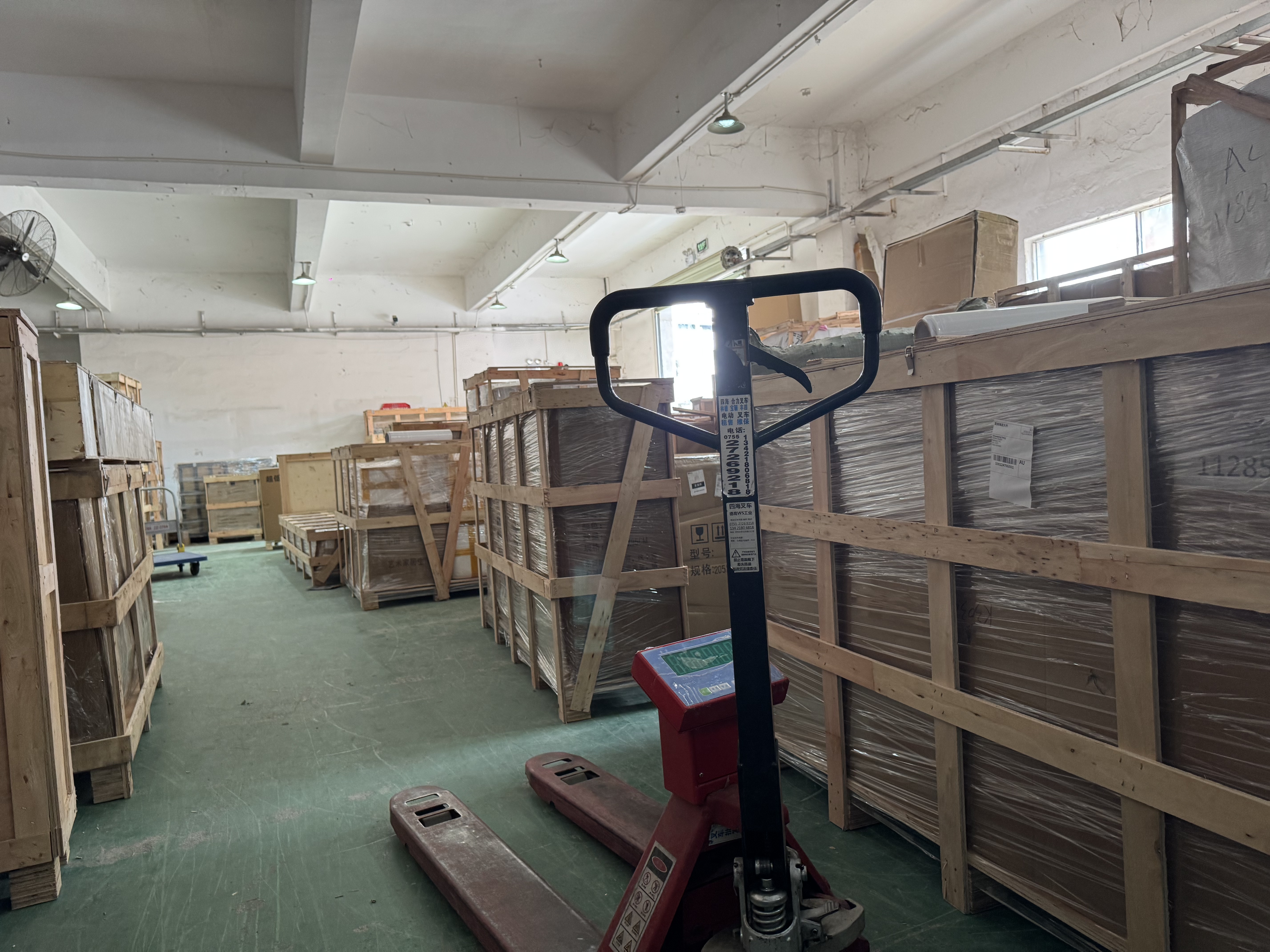
FCL (Full Container Load): Advantages: Ideal for large shipments of home contents, such as when you're moving your entire household from one country to another. You have the whole container to yourself, which means less handling and a lower risk of damage. It also offers more flexibility in terms of packing and loading your goods.
Limitations: The minimum cost is higher compared to LCL. Even if you don't fully utilize the container space, you still have to pay for the entire container.
IV. Popular Logistics Providers and Their Service Evaluation
1. Shengda International Logistics
Strengths: This company focuses on China - to - Australia cross - border logistics. They offer a full range of services, including free增值服务 such as package consolidation, long - term free storage, and custom - made packaging. Their air freight service can deliver goods in 7 - 12 days, and their sea freight services are reliable with stable transit times.Weaknesses: Since they mainly focus on the China - Australia route, if you need to ship from other countries, they may not be an ideal choice.
2. Other Well - known Logistics Providers
There are also some other traditional international logistics companies. They have a wider international network. However, their services may be more general, and they might not be as specialized in the China - Australia route as Shengda International Logistics. Also, some of them may have more hidden fees, which is a common pain point for customers.
V. Frequently Asked Questions
Q: What should I do if my wooden furniture doesn't have a phytosanitary certificate? A: In 2026, the ABF will not allow the entry of wooden items without a valid phytosanitary certificate. You either need to get the furniture treated and obtain the certificate in China or consider leaving the furniture behind and buying new ones in Australia.Q: Can I ship food items to Australia? A: Yes, but it's complicated. You need to use a specialized sensitive goods compliance line. Shengda International Logistics has a dedicated compliance declaration channel for food items, which can help you avoid customs inspection and seizure risks.
Q: How long does it usually take for sea freight from China to Melbourne? A: It generally takes about 20 - 30 days, but this can be affected by factors such as weather, shipping schedules, and customs clearance times.
Q: What if my goods are damaged during shipping? A: If you choose a reliable logistics provider like Shengda International Logistics, they have a formal claims mechanism. They can provide standard compensation for damaged or lost goods due to operational errors.
Q: Do I need to pay extra fees when my goods arrive in Australia? A: It depends on your choice of Incoterms. If you choose DDP, all costs, including customs duties, are included in the shipping fee. However, if you choose other terms like FCA, you may need to pay customs duties and other fees at the destination.
When shipping your home contents to Australia in 2026, make sure to do thorough research, choose the right shipping method and logistics provider, and comply with all the relevant regulations. This way, you can avoid many potential headaches and ensure a smooth shipping process.
