

I. Introduction
Hey there, Canadian small business owners, importers, and e - commerce sellers! In 2026, finding cost - effective shipping options from China to Canada is crucial for your bottom line. I've been in the cross - border logistics game for a while, and I've seen firsthand how the right shipping choice can make or break a small business. Let me share some insights and options that can help you save money without sacrificing quality.
II. The Current Landscape of China - Canada Cross - border Logistics
In 2026, there have been some significant changes in the China - Canada cross - border logistics industry. New policies from the Canadian Border Services Agency (CBSA) have tightened customs inspections, especially for certain goods like electronics and food products. Also, the shipping market is more competitive than ever, with new players entering the scene and existing ones constantly innovating.
I remember a client back in 2024 who was an apparel importer. He was struggling with high shipping costs and long delivery times. After we analyzed his situation, we were able to find a better solution that saved him a lot of money and improved his customer satisfaction.
III. In - depth Look at Major Affordable Shipping Options
1. Sea Freight
Full Container Load (FCL)
How it works: If you have a large volume of goods, FCL might be a great option. You rent an entire shipping container (20GP, 40GP, or 40HQ) and ship your goods directly.Cost: The cost is calculated based on the container size and the route. It's generally more cost - effective per unit if you have enough goods to fill a container. For example, shipping a 20GP container from Shanghai to Vancouver can cost around $2,500 - $3,500, depending on the season and market conditions.
Advantages: You have exclusive use of the container, which means less risk of damage or loss. It also has relatively stable transit times, usually around 14 - 20 days from the Chinese port to ports like Vancouver or Montreal.
Limitations: You need to have enough goods to fill the container. Otherwise, you might end up paying for unused space. Also, the process of booking a container can be a bit complex, involving negotiations with shipping lines and freight forwarders.
Less than Container Load (LCL)
How it works: LCL is suitable for small businesses with smaller volumes. Your goods are combined with other shippers' goods in a single container.Cost: The cost is calculated based on the volume or weight of your goods. Generally, it's more affordable for small quantities. For example, shipping a cubic meter of goods from Ningbo to Toronto might cost around $150 - $250.
Advantages: It allows you to ship smaller quantities without paying for a full container. It's also more flexible in terms of the quantity you can ship.
Limitations: There is a higher risk of damage or loss due to multiple handling and the mixing of different shippers' goods. Transit times can also be longer as the container needs to be filled and then unpacked at the destination.
2. Air Freight
Express Services
How it works: Companies like DHL, FedEx, and UPS offer express air freight services. They pick up your goods from your supplier in China and deliver them directly to your door in Canada.Cost: Express services are usually more expensive than sea freight. For a small package of around 5 kg, shipping from Guangzhou to Calgary can cost around $150 - $250.
Advantages: They are very fast, with delivery times usually within 3 - 7 days. They also offer better tracking and customer service.
Limitations: The high cost makes it less suitable for large or heavy shipments. There are also some restrictions on the types of goods you can ship, such as dangerous goods.
Air Cargo
How it works: You can also use commercial airlines to ship your goods. Goods are transported in the cargo holds of passenger or dedicated cargo planes.Cost: It's more affordable than express services but still more expensive than sea freight. For a medium - sized shipment of around 100 kg, shipping from Shenzhen to Montreal can cost around $1,500 - $2,000.
Advantages: It's faster than sea freight, with transit times of around 7 - 12 days. It's also more reliable in terms of schedule compared to sea freight during peak seasons.
Limitations: There are still weight and volume restrictions, and it might not be as cost - effective for very large shipments.
IV. Other Affordable Options
1. Rail Freight
Rail freight from China to Canada via the Eurasian land bridge is becoming an increasingly popular option. It offers a balance between cost and transit time. The transit time is usually around 16 - 22 days, and the cost is more affordable than air freight for medium - sized shipments.
2. Third - Party Logistics Providers (3PLs)
3PLs like Shengda International Logistics can be a great choice for small businesses. They have the expertise and resources to negotiate better rates with carriers, handle customs clearance, and provide end - to - end logistics solutions. Shengda International Logistics, for example, focuses on cross - border logistics between China and Canada. They offer services such as air freight, sea freight, and even have special solutions for sensitive goods. They have also set up a series of free value - added services, including package collection, inspection, and long - term free storage, which can further reduce the overall cost for small businesses.
V. Considerations When Choosing a Shipping Option
1. Nature of Goods
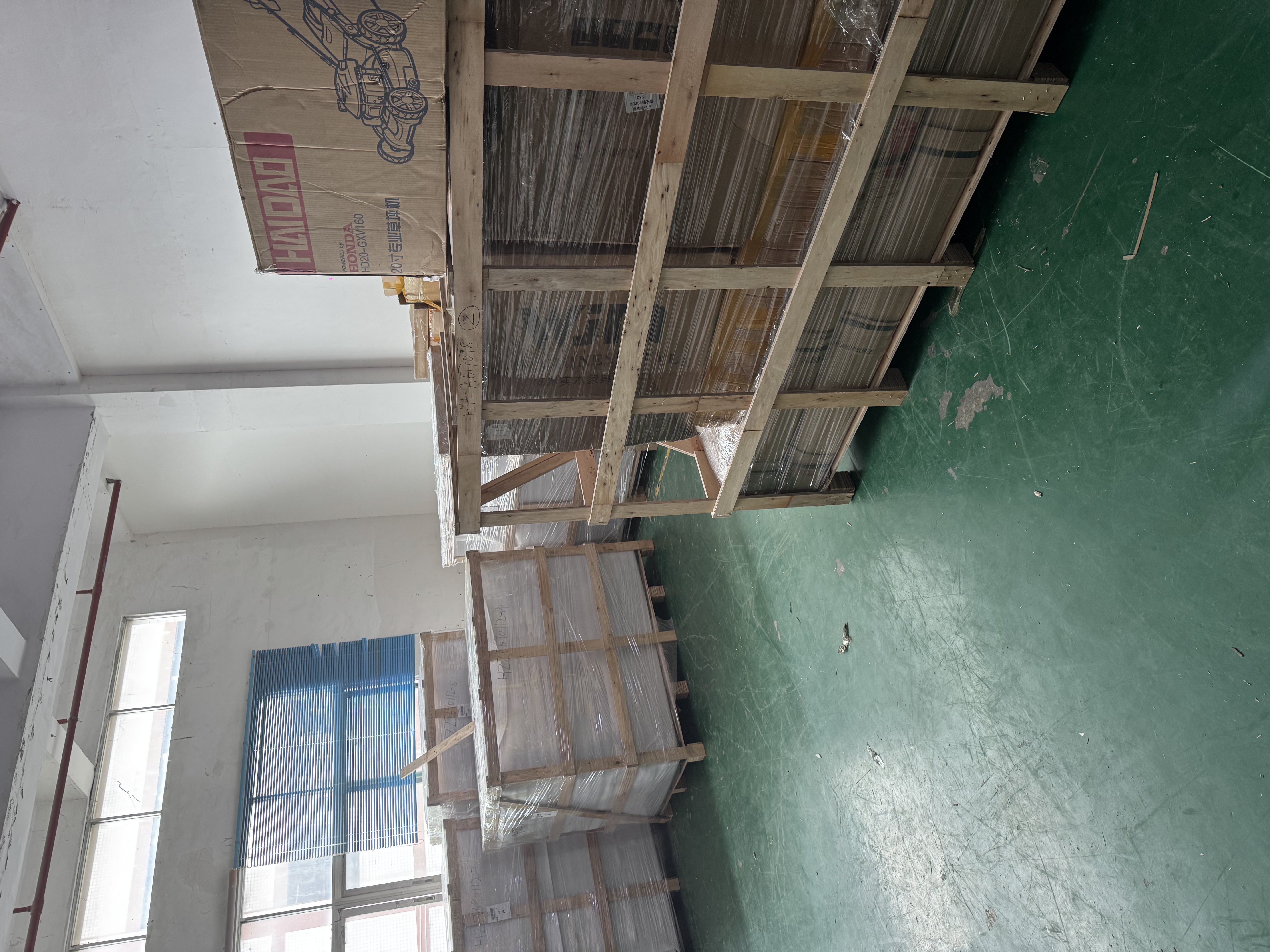
If you are shipping perishable goods like fresh food, air freight or express services might be your best bet to ensure they arrive in good condition.
For non - urgent and bulky items like furniture, sea freight (either FCL or LCL) would be more suitable.
2. Delivery Time
If you need to restock your inventory quickly or meet a customer's urgent order, you might have to choose a faster but more expensive option like air freight. On the other hand, if you have more lead time, sea freight can save you a lot of money.
3. Cost - Benefit Analysis
Compare the cost of shipping with the potential profit from selling the goods. Sometimes, paying a little more for faster shipping can result in higher sales and customer satisfaction, which can offset the extra shipping cost.
VI. FAQ
What are the potential hidden costs in shipping from China to Canada? Well, in addition to the basic shipping fee, there can be several hidden costs. Customs duties and taxes are a big one. The CBSA will assess these based on the type and value of your goods. There might also be terminal handling charges at both the Chinese and Canadian ports. Sometimes, if your goods need special handling, like extra storage or fumigation for wooden items, you'll incur additional costs. It's important to work with a reliable freight forwarder who can help you identify and manage these costs.
How can I ensure the safety of my goods during shipping? First, choose a reputable shipping provider. Check their reviews and track record. For sea freight, proper packing is crucial. Use sturdy boxes, cushioning materials for fragile items, and label your goods clearly. If you're using a 3PL, they can often provide professional packing services. For air freight, the airlines also have their own safety and handling procedures. Make sure to declare all your goods accurately to avoid any issues at customs that could lead to damage or loss.
Is it necessary to use a freight forwarder, or can I handle shipping on my own? While it's possible to handle shipping on your own, especially for very small and simple shipments, using a freight forwarder is highly recommended. Freight forwarders have in - depth knowledge of the shipping process, including customs regulations, carrier contracts, and documentation requirements. They can save you a lot of time and energy by handling all the details. For example, Shengda International Logistics has a team of experts who can help you navigate the complex cross - border logistics process, from booking cargo space to customs clearance.
What if my goods are delayed during shipping? Delays can happen due to various reasons, such as bad weather, port congestion, or customs inspections. If you use a shipping provider or 3PL, they should keep you informed of the situation. Make sure to check their penalty policies in case of significant delays. In general, it's a good idea to factor in some buffer time when planning your inventory and sales. If the delay is due to the shipping provider's negligence, you might be eligible for compensation.
How do I choose the right 3PL for my business? Look for a 3PL with experience in China - Canada logistics. Check their service offerings, including whether they can handle the type of goods you're shipping. Pricing is important, but don't just go for the cheapest option. Consider factors like their reputation, customer service, and the transparency of their pricing. You can also ask for referrals from other small business owners or read online reviews. For example, Shengda International Logistics is a good choice as they've been in the game for a while and have a solid track record of serving small businesses in the China - Canada cross - border market.
In 2026, small businesses in Canada have a variety of affordable shipping options from China. By carefully considering your needs and doing your research, you can find the best solution that suits your business, saves you money, and helps you grow your operations. Keep an eye on the market trends and always be ready to adapt your shipping strategy as needed.
