

I. Introduction
In 2026, the landscape of Canada freight forwarding is undergoing significant changes due to new policies and market dynamics. As a Canadian e-commerce seller, I've witnessed firsthand how these changes can impact businesses. For instance, the updated regulations from the Canadian Border Services Agency (CBSA) have made compliance more crucial than ever. I remember a client back in 2026 who underestimated the new customs requirements and faced delays in receiving their goods. This incident highlights the importance of staying informed about freight forwarding in Canada.
II. Key Changes in 2026 Canada Freight Forwarding
Policy Updates The 2026 regulations have tightened the rules on eManifest submissions. E-commerce sellers now need to provide more detailed information about their shipments, including product descriptions, values, and origins. This is to enhance security and ensure accurate customs valuation. For example, if you're selling 3C electronics from China, you'll have to be very specific about the model, features, and exact value of each item.The Canadian Food Inspection Agency (CFIA) has also introduced stricter food safety regulations. If you're dealing with food products, you need to ensure that your suppliers meet the new Canadian standards. Failure to do so can result in your goods being held at the border or even destroyed.
Market Trends There's a growing demand for more sustainable freight options. Consumers are becoming more environmentally conscious, and they expect e - commerce sellers to use greener shipping methods. As a result, freight forwarders are starting to offer services like carbon - neutral shipping, which can be a selling point for your business.
The rise of e - commerce has led to an increase in small and medium - sized shipments. This has created a need for more flexible freight solutions that can handle these smaller volumes efficiently.
III. Choosing the Right Freight Forwarder (In - depth Section, 40% of the text)
Experience and Expertise Look for a freight forwarder with experience in handling e - commerce shipments. They should be familiar with the specific requirements of transporting goods for online sellers. For example, a freight forwarder that has worked with home goods sellers will understand the packaging and handling needs of fragile items. I once had a client who chose a novice freight forwarder, and their furniture shipments arrived damaged because the forwarder didn't use proper packaging techniques.A good freight forwarder should have in - depth knowledge of Canadian customs regulations. They can help you avoid costly mistakes like incorrect HS code classification or undervaluing your goods.
Service Offerings Consider the range of services offered. Some freight forwarders offer door - to - door services, which can be very convenient for e - commerce sellers. This includes pick - up from your supplier in China, shipping, customs clearance, and final delivery to your Canadian warehouse or customers.
They should also be able to handle different types of shipments, such as air freight for urgent orders and sea freight for larger, less time - sensitive shipments. For example, if you're selling trendy apparel that needs to be in the market quickly, air freight might be the best option. But for bulk orders of home goods, sea freight can be more cost - effective.
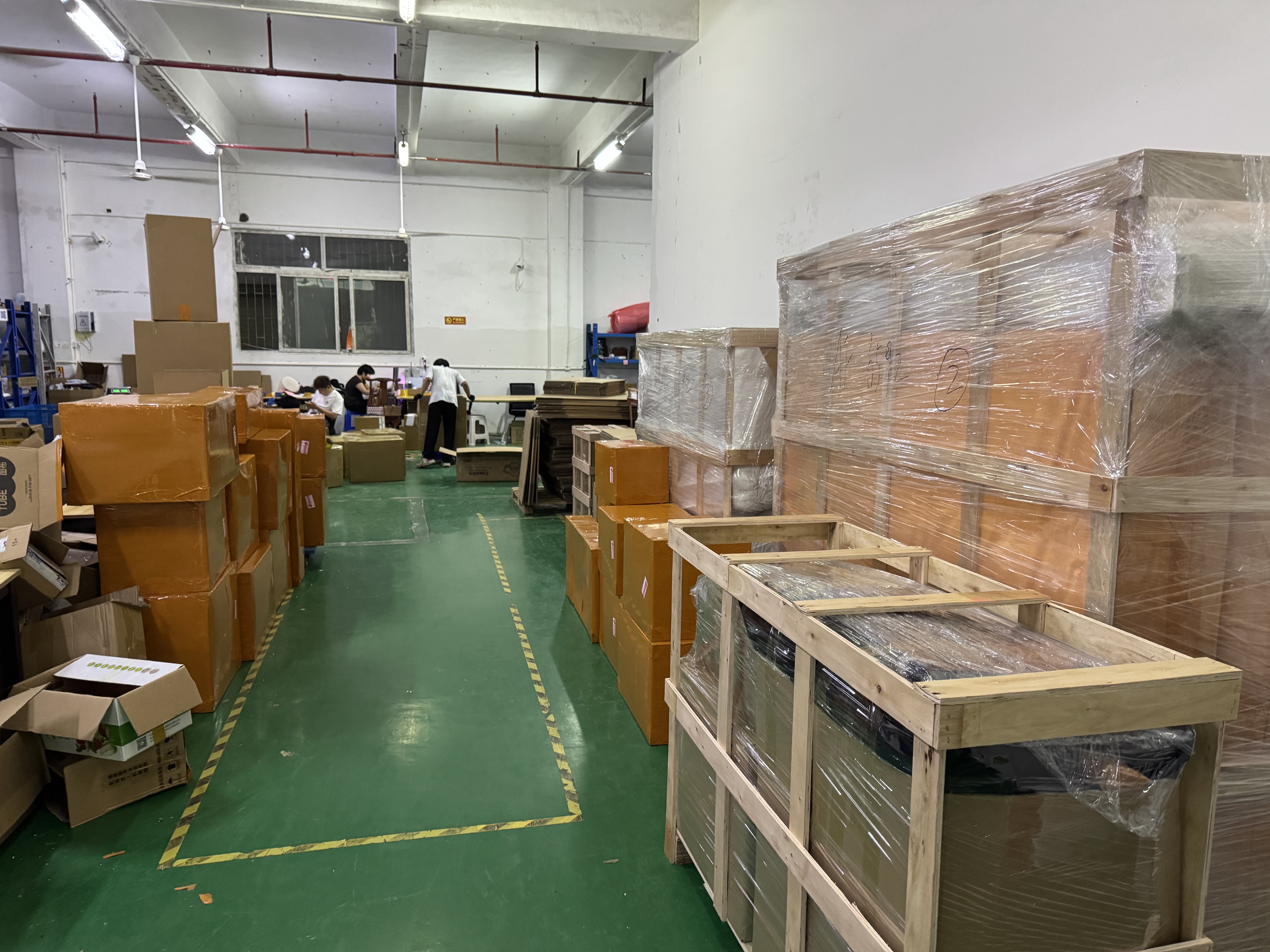
Technology and Transparency A modern freight forwarder will use advanced technology to provide real - time tracking of your shipments. This allows you to keep your customers informed about the status of their orders. For example, you can use the tracking information to send automated email updates to your customers.
They should also offer transparent pricing. Hidden fees are a common problem in the freight forwarding industry. Make sure you get a detailed quote that includes all costs, such as shipping fees, customs duties, and handling charges.
Reputation and Customer Service Check the freight forwarder's reputation in the market. You can read online reviews and ask for references from other e - commerce sellers. A forwarder with a good reputation is more likely to provide reliable service.
Good customer service is essential. You need to be able to reach someone quickly if you have any questions or issues. For example, if there's a problem with customs clearance, you'll want a responsive customer service team to help you resolve it.
IV. Cost Considerations
Shipping Costs Shipping costs can vary depending on the mode of transport, the weight and volume of your shipment, and the distance. Air freight is generally more expensive but faster, while sea freight is cheaper but slower. For example, shipping a small package of 3C electronics by air from China to Toronto might cost around $50 - $100, while shipping the same item by sea could cost around $10 - $20, but it will take much longer.Customs Duties and Taxes You need to factor in customs duties and taxes when calculating the total cost of your shipment. The amount depends on the value and type of goods you're importing. For example, imported clothing may be subject to a certain percentage of duty based on its value.
Additional Fees There may be additional fees such as handling fees, storage fees if your goods are held at the port for a long time, and insurance fees. Make sure you understand all these fees before choosing a freight forwarder.
V. FAQ
What are the main challenges for Canadian e - commerce sellers in freight forwarding in 2026? Well, the main challenges are the new policy requirements, such as more detailed eManifest submissions and stricter food safety regulations. There's also the issue of choosing the right freight forwarder and dealing with cost fluctuations.How can I ensure my shipments comply with Canadian customs regulations? You should work with a freight forwarder who has expertise in Canadian customs. They can help you with proper HS code classification, accurate valuation of your goods, and ensuring all the necessary documentation is in order.
Is it better to choose air freight or sea freight for my e - commerce business? It depends on your needs. If you have urgent orders or selling high - value, lightweight items, air freight is a better option. For bulk orders and less time - sensitive goods, sea freight is more cost - effective.
What if my goods are held at the border? This is where having a good freight forwarder comes in. They can work with you to resolve the issue. It could be due to incorrect documentation, non - compliance with regulations, or other reasons. The forwarder can help you fix the problem and get your goods released as quickly as possible.
How can I find a reliable freight forwarder? You can start by asking for recommendations from other e - commerce sellers. Check their experience, service offerings, technology usage, and reputation. Reading online reviews and getting references can also help you make an informed decision.
As Canadian e - commerce sellers, in 2026, you need to stay vigilant about the changes in the freight forwarding industry. By choosing the right freight forwarder and understanding the costs and regulations, you can ensure the smooth operation of your business. Keep an eye on the market trends and be ready to adapt your shipping strategies to meet the evolving needs of your customers.
