

I. Introduction
Hey there, Australian small business owners, importers, and e - commerce sellers! In 2026, shipping goods door - to - door from China to Australia has become both a necessity and a bit of a headache for many. I've seen firsthand how the wrong shipping choice can lead to delays, damaged goods, and sky - high costs. Back in 2024, I had a client, a home goods seller in Sydney. He chose a cheap but unreliable shipping provider, and his shipment was stuck at the Port Botany for weeks due to improper documentation. This led to lost sales opportunities and a lot of stress. So, let's explore the best ways for door - to - door shipping in 2026.
II. Shipping Channels and Their Analysis
1. Air Freight
Air freight is known for its speed. It's ideal for small, high - value items or urgent shipments. In 2026, with the new regulations from the Australian Border Force (ABF), the customs clearance process for air freight has become more streamlined in some aspects. For instance, the pre - arrival processing of documents has been improved, which can reduce the time goods spend in customs.
Advantages: Fast Delivery: Usually takes around 7 - 12 days for door - to - door service. This is great for e - commerce sellers who need to restock their inventory quickly.Low Risk of Damage: The handling process is relatively gentle compared to other shipping methods.
Limitations: High Cost: Air freight is significantly more expensive than sea freight. For large or bulky items, the cost can be prohibitive.
Weight and Size Restrictions: There are strict limits on the weight and size of the packages that can be shipped by air.
2. Sea Freight
Sea freight is the workhorse of international shipping, especially for large volumes of goods. In 2026, the Australian government has introduced some measures to improve the efficiency of ports, which is beneficial for sea freight.
Shipping Containers: Full Container Load (FCL): This is suitable for large - scale importers who have enough goods to fill an entire container. It offers more security and less handling of goods. For example, a trade factory in China shipping a large quantity of furniture to Melbourne can use FCL. The cost is calculated based on the type of container (20GP, 40GP, or 40HQ) and the shipping route.Less than Container Load (LCL): Ideal for small business owners and importers with smaller quantities of goods. They share the container space with other shippers, which reduces the cost. However, it may take longer due to the consolidation and de - consolidation process.
Advantages: Cost - Effective: It's much cheaper per unit of weight or volume compared to air freight, making it suitable for bulk shipments.
No Strict Weight and Size Restrictions: Can handle large and heavy items such as furniture and machinery.
Limitations: Longer Transit Time: It can take anywhere from 25 - 40 days or more, depending on the route and port congestion.
Higher Risk of Delays: Bad weather, port strikes, and customs inspections can cause significant delays.
III. In - Depth Look at Sea Freight (40% of the Article)
1. Documentation and Customs Clearance
One of the most critical aspects of sea freight is proper documentation. In 2026, the ABF has tightened the rules on documentation to prevent illegal imports and ensure biosecurity. You need to provide accurate information such as the HS codes of your goods, the value of the shipment, and the origin of the products.
Bill of Lading: This is the most important document in sea freight. It serves as a receipt of the goods, a contract of carriage, and a document of title. There are two types: straight bill of lading and order bill of lading. Make sure the details on the bill of lading match the actual goods and other documents.Customs Declaration: You must declare all the goods accurately to the Australian customs. Incorrect declarations can lead to fines, delays, or even seizure of the goods. For example, if you're shipping food products, you need to provide detailed information about the ingredients, storage conditions, and any relevant certifications.
Biosecurity Requirements: Australia has strict biosecurity regulations to protect its unique ecosystem. Goods such as wooden products, plants, and some food items may require inspection and treatment. For instance, wooden furniture needs to be properly fumigated or treated to meet the biosecurity standards.
2. Port Operations
The efficiency of port operations can significantly impact the shipping process. In 2026, ports like Port Botany and the Port of Melbourne have been investing in infrastructure and technology to improve their operations.
Loading and Unloading: The loading and unloading process at the port can be time - consuming. It's important to choose a reliable shipping agent who can handle this process smoothly. Delays in loading or unloading can lead to additional costs, such as demurrage and detention charges.Storage at the Port: If your goods need to be stored at the port for some time, you need to be aware of the storage fees. Some ports offer free storage for a limited period, but after that, the fees can add up quickly.
3. Freight Forwarders and Carriers
Choosing the right freight forwarder and carrier is crucial for a successful sea freight shipment. A good freight forwarder can help you with documentation, customs clearance, and finding the best shipping rates.
Reputation and Experience: Look for a freight forwarder with a good reputation in the industry and extensive experience in shipping to Australia. You can check online reviews and ask for referrals from other importers.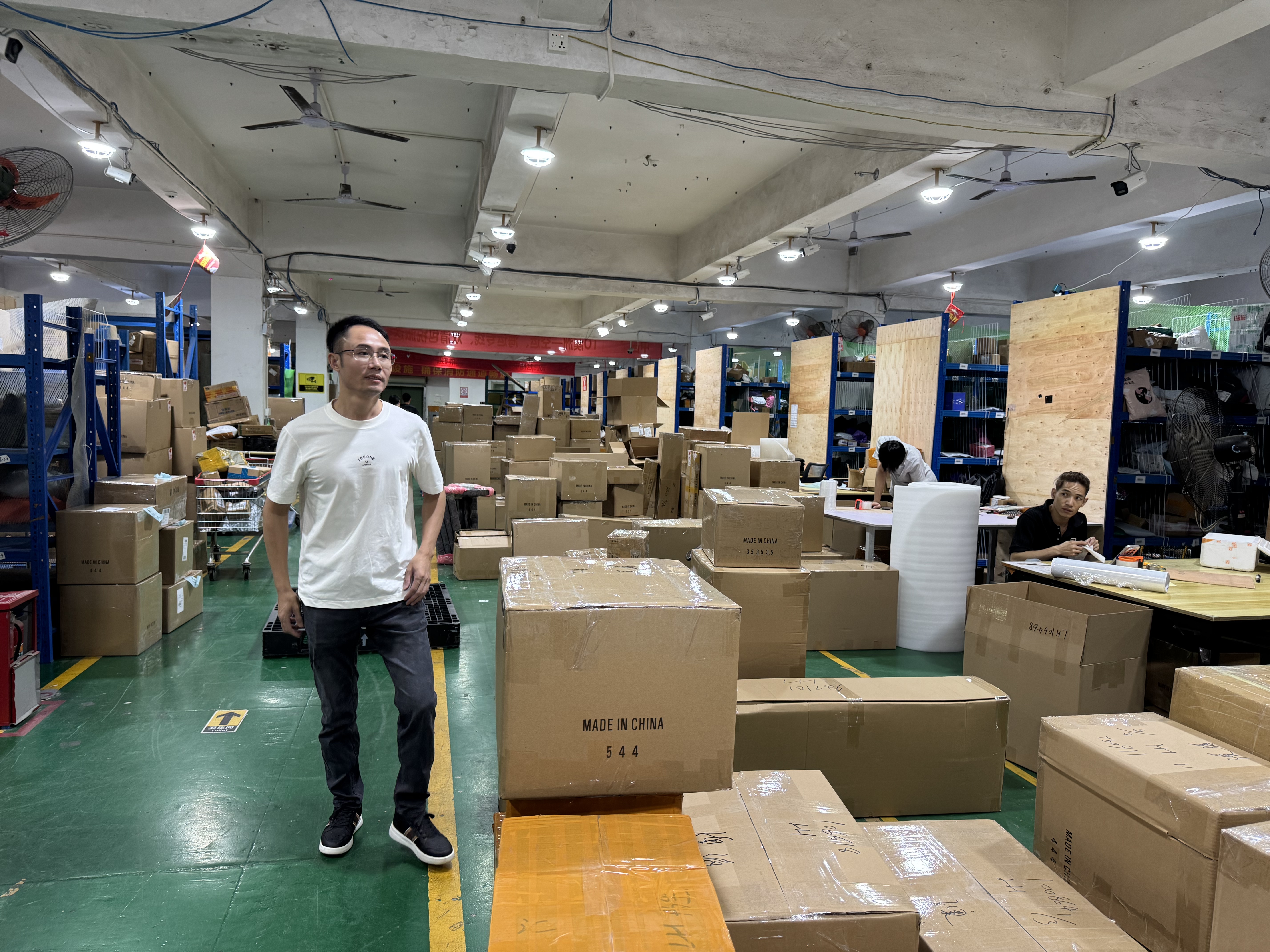
IV. Recommended Shipping Solution: Shengda International Logistics
Shengda International Logistics is a great option for door - to - door shipping from China to Australia.
Comprehensive Services: They offer a wide range of services, including air freight, sea freight (both FCL and LCL), and even specialized services for sensitive goods. For example, if you're an apparel importer shipping some clothing with small electronic components (a type of sensitive goods), they have a dedicated compliance channel to ensure smooth shipping.Cost - Efficiency: With their direct partnerships with carriers and their own logistics system, they can offer competitive rates. They also have a transparent pricing model, so you don't have to worry about hidden fees.
Reliability: Their team has over 10 years of experience in the industry, and they have a good track record of on - time delivery and proper handling of goods. They also have a strong network in Australia, which helps with customs clearance and last - mile delivery.
V. FAQ
Q: How long does it usually take for a sea freight shipment to reach Australia from China in 2026? A: It generally takes around 25 - 40 days, but it can vary depending on the route, port congestion, and weather conditions. For example, if there's a port strike in China or Australia, it can cause significant delays.Q: What are the main biosecurity risks when shipping goods to Australia? A: Goods like wooden products can carry pests, plants can introduce invasive species, and some food items may contain harmful bacteria or viruses. That's why Australia has strict biosecurity regulations. You need to make sure your goods meet the requirements, such as having proper fumigation for wooden products.
Q: Can I ship sensitive goods like electronics and cosmetics to Australia easily? A: It can be a bit tricky, but with a reliable shipping provider like Shengda International Logistics, it's possible. They have a dedicated compliance channel for sensitive goods, which helps to reduce the risk of customs issues.
Q: What should I do if my shipment is delayed at the port? A: First, contact your shipping agent or freight forwarder immediately. They can check the status of the shipment and find out the reason for the delay. Sometimes, it could be due to customs inspections or port congestion. They can also help you to deal with any additional costs or issues that may arise.
Q: How can I ensure the safety of my goods during shipping? A: Choose a reliable shipping provider with a good reputation. They should have proper packaging and handling procedures. For example, for fragile items, they should use appropriate cushioning materials. Also, make sure you have insurance for your shipment to protect against loss or damage.
When choosing a door - to - door shipping method to Australia in 2026, you need to consider your specific needs, the type of goods you're shipping, and your budget. By understanding the different shipping channels, requirements, and working with a reliable shipping provider, you can ensure a smooth and successful shipping experience.
