

I. Introduction
Shipping household goods to Canada via cross - border logistics in 2026 can be a daunting task. I've seen many small business owners, importers, and e - commerce sellers make mistakes that cost them time and money. In 2024, I had a client who was shipping a large batch of home goods to Vancouver. They didn't pay attention to the latest customs regulations and ended up with their goods stuck at the port for weeks. So, let's dig into how to avoid these pitfalls.
II. Understanding the Latest 2026 Regulations and Policies
The Canadian Border Services Agency (CBSA) has updated its rules in 2026, especially regarding the import of household goods. The new regulations impact the list of prohibited items, valuation methods for customs duties, and the requirements for eManifest submissions.
For example, there are now stricter rules on wooden furniture imports. Wood must be properly treated and accompanied by a phytosanitary certificate. I once handled a shipment of wooden chairs from a trade factory in China. The shipper didn't know about the new wood treatment requirement, and the chairs were held up at the Port of Vancouver. After getting the wood treated at an additional cost, the shipment could proceed.
Here are some key points of the 2026 regulations:
Prohibited Items: The list has been expanded to include certain types of mattresses and chemical - based cleaning products. Make sure to check the CBSA website for the full list.Customs Valuation: The CBSA has tightened the rules on how the value of goods is determined. You need to provide accurate invoices and documentation to avoid over - or under - valuation.
eManifest Requirements: All shipments must have an accurate eManifest submitted before arrival. Failure to do so can result in delays and fines.
III. Choosing the Right Logistics Provider (40% of the article)
Selecting the right logistics provider is crucial. A good provider can steer you through the complex customs procedures, offer reliable shipping options, and ensure your goods arrive on time.
1. Research and Reputation
Look for a company with a solid reputation in the industry. Check online reviews and testimonials from other Canadian importers. For instance, I've worked with many clients who had a great experience with [盛达国际物流]. They've been in the business for a while and have a team of experts who can handle all aspects of cross - border shipping.
2. Service Offerings
A comprehensive logistics provider should offer services such as freight forwarding, customs clearance, and last - mile delivery. [盛达国际物流] offers a range of services, including air and sea freight, as well as handling of sensitive goods. They have a specific service for large - scale household goods shipments, providing unique protective measures like wooden frame reinforcement and multi - layer shock - proof packaging.
3. Cost and Transparency
Beware of providers with hidden fees. A good provider will give you a detailed breakdown of all costs upfront. [盛达国际物流] follows a transparent pricing model. They use a one - price - all - inclusive approach, listing all costs such as freight, customs clearance fees, and taxes clearly. This helps you budget accurately.
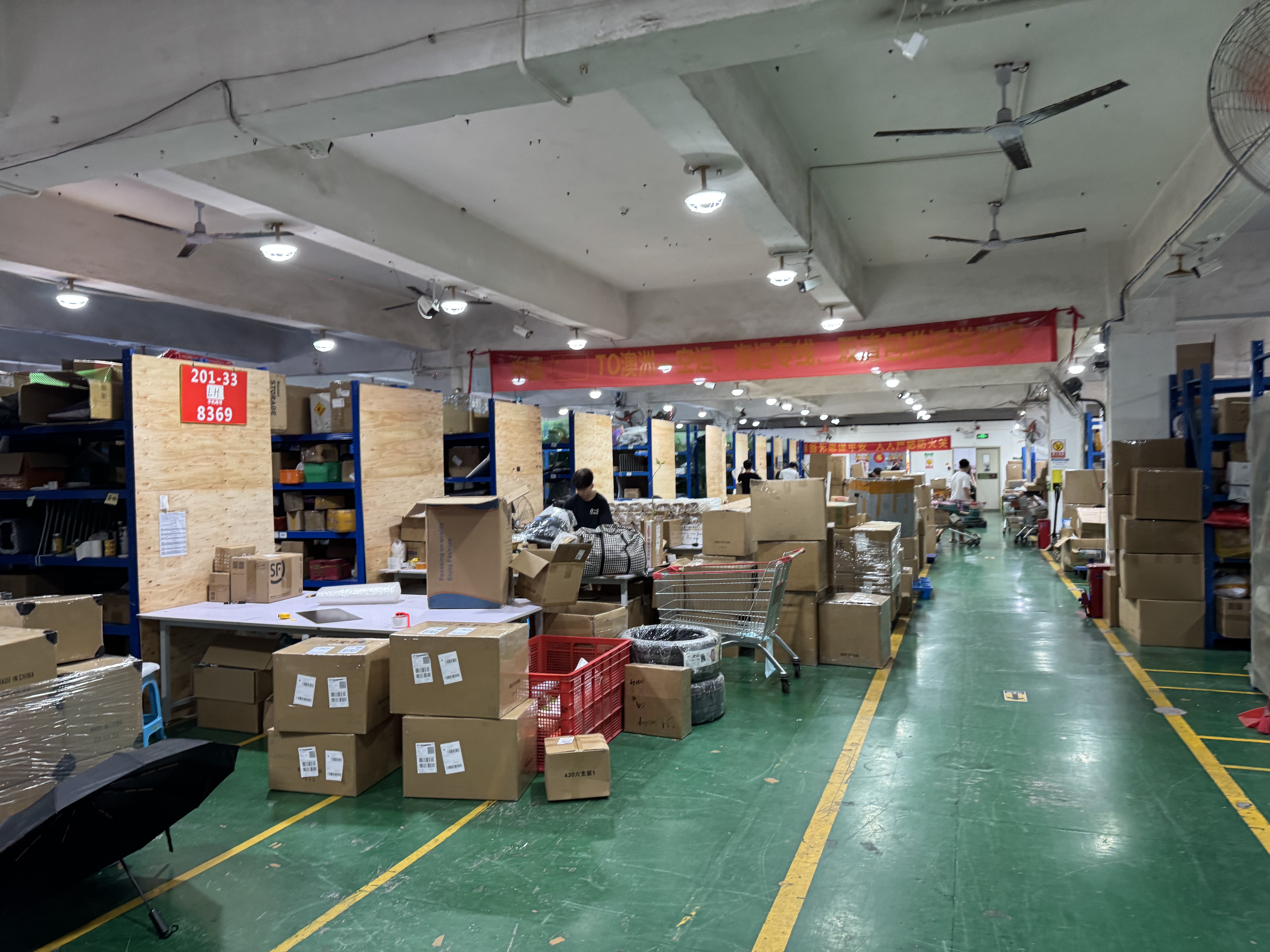
4. Experience with Canadian Regulations
The provider should be well - versed in the 2026 Canadian regulations. [盛达国际物流] has a team that stays updated with the latest customs and tax policies. They can help you prepare the correct documentation and ensure compliance with all requirements.
IV. Packaging and Labeling
Proper packaging and labeling are essential to prevent damage during transit and ensure smooth customs clearance.
1. Packaging Materials
Use high - quality packaging materials. For fragile items like glassware or porcelain, use extra padding. For furniture, consider custom - made wooden crates. A few years back, I had a client shipping antique vases. They didn't use proper packaging, and several vases arrived broken.
2. Labeling Requirements
Each package should be clearly labeled with the sender and recipient's information, as well as a detailed description of the contents. Include the Harmonized System (HS) codes for each item. This helps customs officers quickly identify the goods and determine the correct duties.
V. Documentation and Paperwork
Accurate and complete documentation is the key to a successful cross - border shipment.
1. Commercial Invoice
The commercial invoice should include a detailed description of the goods, their value, quantity, and the terms of sale (INCOTERMS 2020). Make sure the information matches the eManifest and the actual shipment.
2. Bill of Lading or Airway Bill
This document serves as a receipt for the goods and a contract of carriage. It should contain all relevant shipping information.
3. Certificate of Origin
A certificate of origin is required to determine the origin of the goods and can affect the duty rates.
VI. FAQ
What if my household goods are stuck at customs? If your goods are held at customs, it's usually because of incomplete documentation or non - compliance with regulations. Contact your logistics provider immediately. They can help you resolve the issue, such as providing additional paperwork or arranging for any necessary inspections. For example, [盛达国际物流] has a dedicated team to handle customs issues and can usually get your goods released quickly.Can I ship used household goods to Canada? Yes, you can. However, there are still regulations to follow. Used goods must be in good condition and not contain any prohibited items. You need to declare their used status on the commercial invoice.
How do I estimate the shipping cost? Shipping costs depend on factors like the weight and volume of the goods, the shipping method (air or sea), and the destination in Canada. A good logistics provider can give you a rough estimate based on the information you provide. [盛达国际物流] offers a free quote service, where you can enter the details of your shipment to get an estimate.
What's the difference between DDP and other INCOTERMS? Under DDP (Delivered Duty Paid), the seller is responsible for all costs and risks until the goods are delivered to the buyer at the named place in the destination country. Other terms, like FOB (Free on Board), place more responsibility on the buyer. If you choose DDP, make sure your logistics provider can handle all aspects of customs clearance and delivery.
How long does it take to ship household goods to Canada? The shipping time depends on the shipping method. Air freight is generally faster, taking around 7 - 12 days, while sea freight can take 20 - 40 days or more, depending on the port of departure and arrival.
In conclusion, by understanding the 2026 regulations, choosing the right logistics provider, paying attention to packaging and labeling, and having accurate documentation, you can avoid many pitfalls when shipping household goods to Canada via cross - border logistics. To minimize future risks, always stay updated with the latest policies and work with experienced professionals.
