

I. Introduction
Hey there, Australian small business owners, importers, and e-commerce sellers! In 2026, shipping large volume household furniture from China to Canada has become a significant part of many cross - border trade activities. But it's not as straightforward as it seems. I've been in the cross - border logistics front - line for years, and I've seen all sorts of issues. Let me share some key points you should know.
II. The Current Situation of Large Volume Household Furniture Sea Shipping to Canada in 2026
Policy Changes In 2026, the Canadian Border Services Agency (CBSA) has tightened some regulations regarding the import of large volume household furniture. For instance, the inspection on wood materials has become stricter due to concerns about pests and diseases. If your furniture contains wood, it must be properly treated and have the necessary certificates.Market Demand The demand for Chinese - made household furniture in Canada is still growing. Canadian consumers like the variety and cost - effectiveness of Chinese furniture. So, many small business owners and importers are actively involved in this trade. However, they often face challenges in the shipping process.
III. Key Steps in the Shipping Process (40% of the Article)
Preparation before Shipping Documentation: First, you need to prepare all the necessary documents. This includes the commercial invoice, packing list, bill of lading, and for wooden furniture, a phytosanitary certificate. I once had a client who forgot to get the phytosanitary certificate for a batch of wooden chairs. The shipment was held at the Canadian port for almost two weeks, causing a lot of inconvenience and additional costs.Packaging: Proper packaging is crucial. Large volume household furniture is often fragile and can be easily damaged during transportation. You should use high - quality packing materials such as wooden crates, foam, and bubble wrap. For example, a set of glass - topped coffee tables needs extra protection to prevent the glass from breaking.
Customs Classification: Classify your furniture correctly using the Harmonized System (HS) codes. This helps in accurate customs valuation and tariff calculation. Misclassification can lead to over - or under - payment of duties and potential fines.
Shipping Arrangement Carrier Selection: Choose a reliable shipping carrier. Some well - known carriers offer regular services between China and Canadian ports like the Port of Vancouver and the Port of Montreal. They have better schedules and more reliable tracking systems. For example, Maersk and COSCO are popular choices in the market.
Booking and Containerization: Book the appropriate container size according to the volume of your furniture. For large volume shipments, 40 - foot containers are usually a good option. You also need to consider the container type. If your furniture is sensitive to humidity, you might want to use a dry container with extra dehumidifiers.
Shipping Route: Select the most suitable shipping route. Some routes may be faster but more expensive, while others may be more cost - effective but take longer. For example, the direct route from Shanghai to Vancouver is relatively fast, but if you're shipping to Montreal, a route that involves trans - shipment might be more economical.
Customs Clearance in Canada Pre - arrival Processing: Submit all the necessary documents to the CBSA before the shipment arrives. This includes the eManifest, which gives the customs officers an advance notice of your shipment.
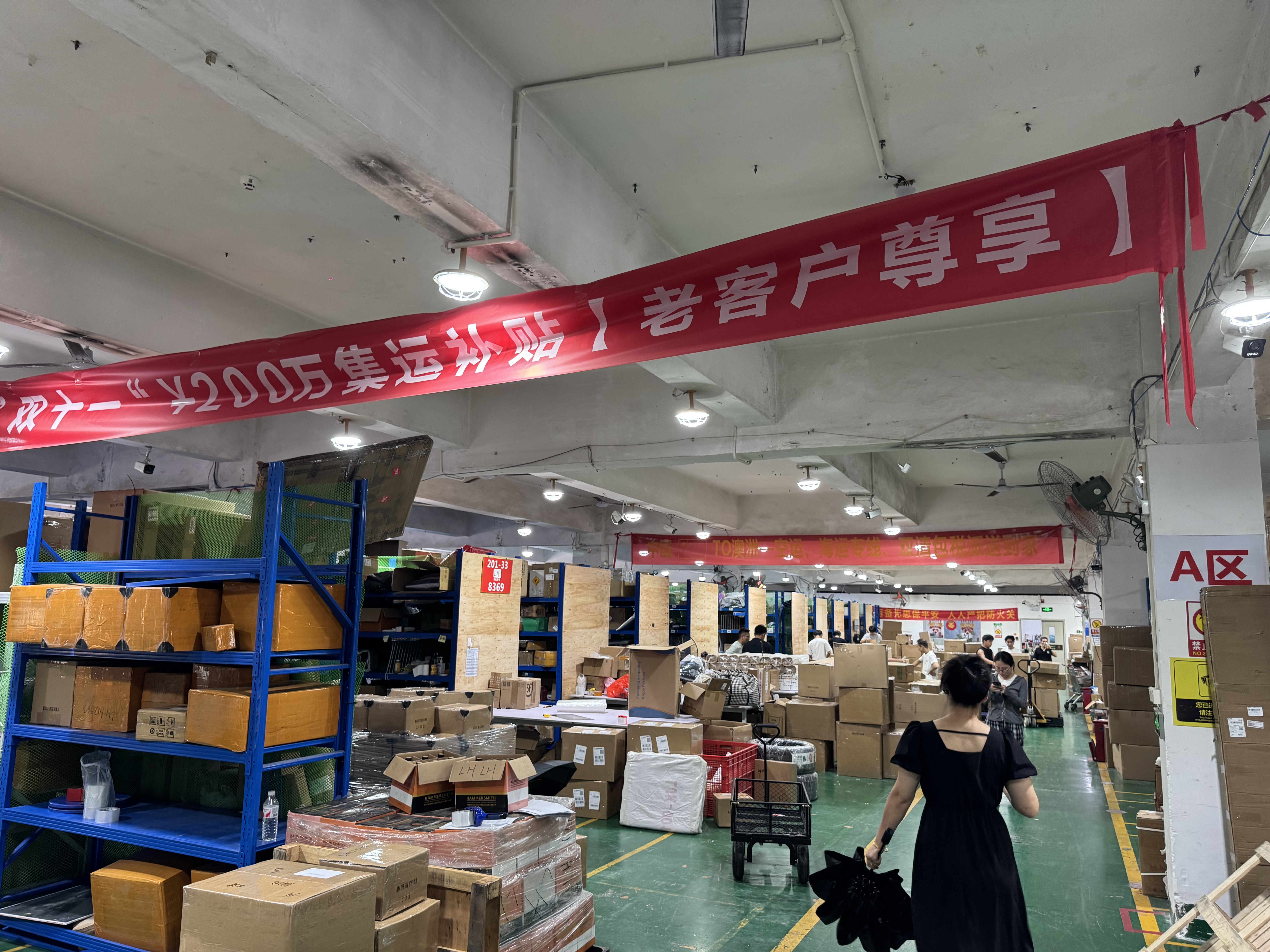
Inspection: Be prepared for possible inspections. The CBSA may inspect your furniture for safety, quality, and compliance with regulations. In some cases, if the inspection reveals non - compliant items, you may need to make corrections or face penalties.
Duty and Tax Payment: Calculate and pay the applicable duties and taxes. The rate depends on various factors such as the type of furniture, its origin, and the value. Make sure to check the latest tariff schedules to avoid any surprises.
IV. Potential Challenges and Solutions
Damage during Transportation Challenge: Large volume household furniture is prone to damage during long - distance sea shipping due to rough handling, waves, and vibrations.Solution: As mentioned before, use proper packaging. Also, consider purchasing cargo insurance. I've helped many clients get compensated for damaged furniture through insurance claims.
Customs Delays Challenge: Incorrect documentation, misclassification, or random inspections can cause customs delays.
Solution: Double - check all your documents before submission. Hire an experienced customs broker who can help ensure a smooth clearance process.
Cost Fluctuations Challenge: Shipping costs, fuel surcharges, and duty rates can fluctuate.
Solution: Stay updated on the market trends. You can also negotiate long - term contracts with shipping carriers and suppliers to lock in more stable prices.
V. FAQ
How long does it usually take to ship large volume household furniture from China to Canada by sea in 2026? It typically takes around 25 - 35 days, but it can vary depending on the shipping route, port congestion, and weather conditions. For example, if there are storms in the Pacific Ocean, the journey may be delayed.Do I need to pay taxes on all types of household furniture imported into Canada? Not all furniture is taxed at the same rate. Some basic items may be subject to lower duties, while luxury or high - value furniture may have higher tax rates. You need to check the specific HS code of your furniture and the corresponding tariff schedule.
Can I ship furniture with some minor damage? It's not recommended. The CBSA may reject the shipment if they find significant damage. Also, damaged furniture may not be well - received by your customers. If there is minor damage, it's best to repair it before shipping.
How can I choose a reliable shipping agent for my furniture shipment? Look for agents with a good reputation and experience in shipping large volume household furniture. Check their customer reviews, ask for references, and ensure they are familiar with the latest Canadian customs regulations.
What happens if my shipment is held at the Canadian port for a long time? There could be various reasons, such as incomplete documentation or non - compliance issues. First, contact your customs broker or shipping agent to find out the exact cause. Then, work on resolving the problem as quickly as possible to avoid additional storage fees.
Shipping large volume household furniture from China to Canada in 2026 has its complexities, but with proper knowledge and preparation, you can navigate through the process successfully and expand your business opportunities. Always stay informed and be proactive in handling potential issues.
