

I. Introduction
Shipping sofas from China to Australia in 2026 can be a challenging task for Australian small business owners, importers, and e - commerce sellers. I've seen many clients face unexpected issues during this process. For instance, I had a client back in 2024 who was an apparel importer but decided to diversify into home goods and ship sofas from China to Sydney. He didn't anticipate the complex regulations and ended up with a lot of hassle. In this article, I'll share some key pitfalls to avoid based on my experience in cross - border logistics.
II. Packaging and Preparation Mistakes (40% of the article)
1. Inadequate Packaging
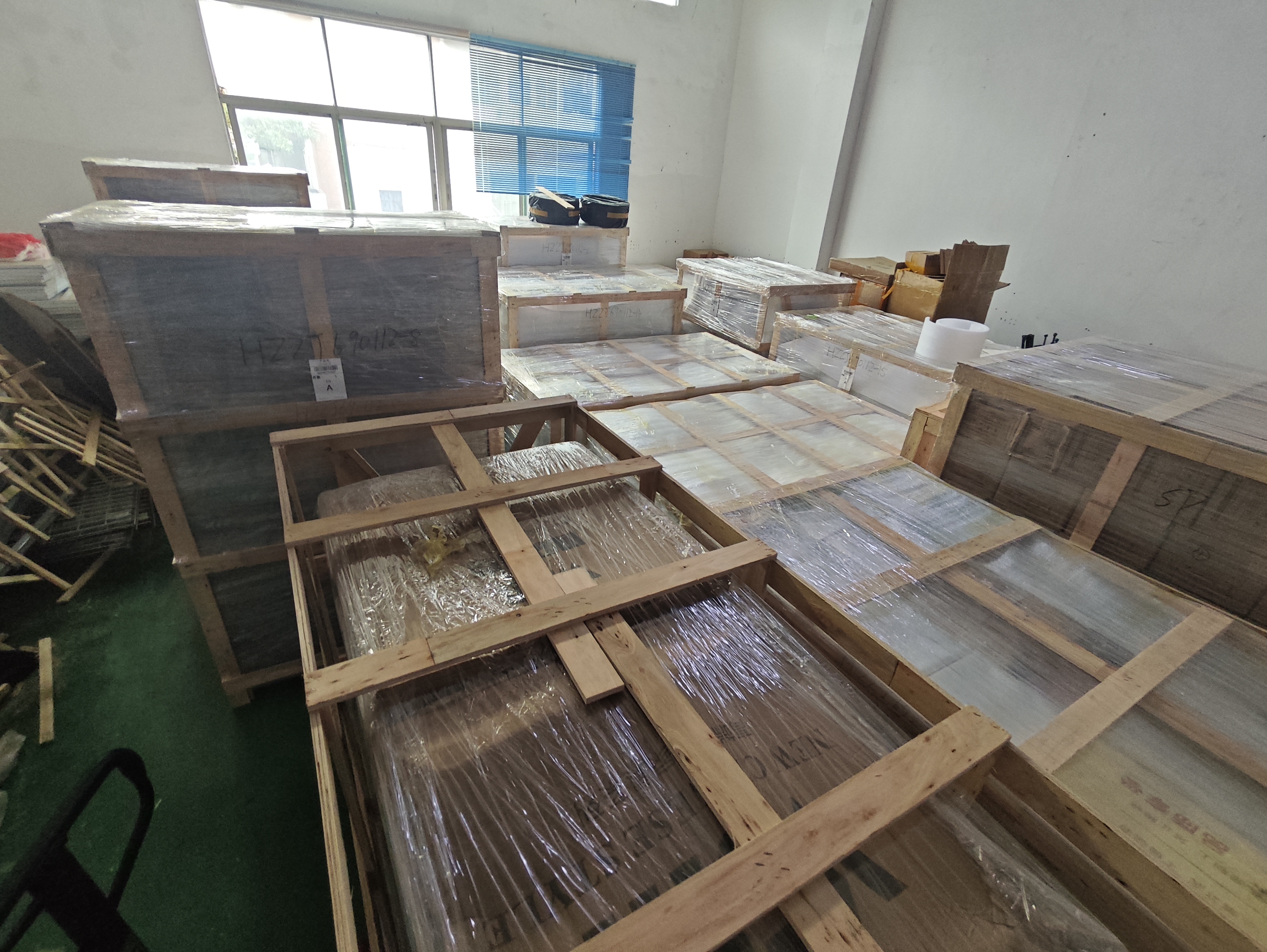
One of the most common mistakes is inadequate packaging. Sofas are large and fragile items. If not properly packed, they are prone to damage during transit. For example, a home goods seller in Melbourne ordered a batch of sofas from a Chinese factory. The sofas were wrapped in thin plastic, which was not enough to protect them from rough handling during shipping. When the sofas arrived at Port of Melbourne, many had scratches and dents. Solution: Use high - quality packaging materials such as thick foam, strong cardboard, and wooden crates. For sofas with delicate parts, like decorative buttons or fabric details, use additional padding.
2. Incorrect Measurement and Weight Declaration
Another pitfall is incorrect measurement and weight declaration. Shipping costs are often calculated based on the size and weight of the cargo. If you underestimate these values, you may face additional charges at the port. A trade factory in Brisbane once shipped sofas with an inaccurate weight declaration. When the sofas were weighed at Port Botany, they found that the actual weight was 20% more than the declared weight, resulting in a significant increase in shipping costs. Solution: Accurately measure the dimensions of the sofa, including the packaging. Use a reliable scale to weigh the sofas. Provide these accurate details to your shipping provider.
3. Lack of Proper Documentation
Documentation is crucial for cross - border shipping. In Australia, the Australian Border Force (ABF) and the Department of Agriculture, Fisheries and Forestry (DAFF) require specific documents for importing sofas. I once had a client who shipped sofas without a proper Certificate of Origin. This led to delays at the customs in Sydney as the authorities were unable to verify the source of the sofas. Solution: Ensure you have all the necessary documents, including the commercial invoice, packing list, bill of lading, and Certificate of Origin. If the sofa has any wooden parts, you may also need a phytosanitary certificate.
III. Shipping Method and Carrier Selection Errors
1. Choosing the Wrong Shipping Method
There are different shipping methods available, such as air freight and sea freight. Air freight is fast but expensive, while sea freight is slower but more cost - effective for large items like sofas. An apparel importer who wanted to quickly restock his home goods section in Sydney decided to ship sofas by air. He didn't consider the high cost, and it significantly affected his profit margin. Solution: Compare the pros and cons of each shipping method based on your budget and delivery time requirements. For most sofa shipments, sea freight is a better choice.
2. Selecting an Unreliable Carrier
Not all carriers are created equal. Some carriers may have a poor track record of on - time delivery or handling cargo carefully. A 3C electronics seller who branched into selling sofas chose a relatively unknown carrier. The carrier lost several sofas during transit, causing a big loss to the seller. Solution: Research carriers thoroughly. Look for carriers with good reviews, a strong network, and experience in shipping large - scale furniture.
IV. Customs and Regulatory Compliance Issues
1. Ignoring Australian Regulations
Australia has strict regulations regarding the import of furniture, especially in terms of biosecurity. Sofas with wooden parts need to meet certain phytosanitary requirements. A home goods seller in Brisbane imported sofas with untreated wooden frames. The DAFF seized the sofas at the Port of Brisbane, and the seller had to pay a large fine for non - compliance. Solution: Familiarize yourself with Australian import regulations, especially those related to biosecurity and furniture imports. Consult with a customs broker if necessary.
2. Incorrect Tariff Classification
Tariff classification determines the amount of duty and tax you need to pay. Incorrect classification can lead to overpaying or underpaying taxes. A trade factory in Melbourne misclassified their sofas, which led to an investigation by the ABF. Solution: Use the correct Harmonized System (HS) codes for sofas. You can consult the official Australian customs website or a professional for accurate classification.
V. FAQ
1. How long does it usually take to ship sofas from China to Australia?
It depends on the shipping method. Sea freight usually takes roughly 20 - 30 days, while air freight can take around 7 - 10 days. However, these are just estimates and can be affected by various factors such as weather conditions and port congestion.
2. Can I handle the customs clearance process myself?
You can, but it's quite complex, especially with the new regulations in 2026. At [盛达国际物流], we have a team of experienced customs brokers who can handle the process for you, ensuring compliance and minimizing delays.
3. What if my sofas are damaged during shipping?
If you choose a reputable carrier and have proper insurance, you can file a claim. Make sure to inspect the sofas carefully upon arrival and document any damage. At [盛达国际物流], we also have a standard理赔 mechanism for damaged or lost goods.
4. Are there any restrictions on the types of sofas I can import?
Sofas with certain materials, such as untreated wood or hazardous chemicals, may be restricted. You need to ensure that your sofas meet Australian biosecurity and safety standards.
5. How can I reduce the shipping cost of sofas?
You can choose sea freight instead of air freight. Also, accurate measurement and weight declaration can prevent unexpected additional charges. Consolidating your shipments or finding a shipping partner with good rates can also help.
