

Introduction
Are you an Australian small business owner, importer, or e - commerce seller? Planning your warehouse fulfilment shipping from China to Australia in 2026? Well, you're in the right place. I've been in the cross - border logistics industry for years, handling loads of shipments between the two countries. And let me tell you, there are certainly some things you need to watch out for. In this article, I'll share some real - world experiences and insights to help you navigate the 2026 shipping landscape.
I. Key New Policies in 2026
1. Biosecurity Regulations Tightened
The Australian Department of Agriculture, Fisheries and Forestry (DAFF) has come up with stricter biosecurity rules in 2026. They're more concerned about preventing the entry of pests and diseases. For instance, products made from natural materials like wood, leather, and wool need more detailed declarations. I once had a client in 2024, an apparel importer in Sydney, who shipped a batch of wool coats. At that time, the biosecurity checks were less strict. But in 2026, had it been the case, they'd need to provide information about the origin of the wool, the processing methods, and even the storage conditions. Otherwise, the goods could be held up at the Port of Melbourne or Brisbane.
2. Customs Valuation Tweaks
The Australian Border Force (ABF) has adjusted its customs valuation methods. They're now looking more closely at the true value of goods. This means that if you under - declare the value of your products to save on duties, you're likely to get caught. For example, a home goods seller in Melbourne who used to slightly under - report the value of their imported decorative items might face hefty fines in 2026 as the ABF is enhancing its data - matching capabilities.
II. Operational Pitfalls
1. Port Congestion and Delays
In major ports like Port Botany and the Port of Melbourne, congestion can be a real headache. In 2026, with the expected increase in trade volume, this issue might get worse. I've seen many shipments delayed for roughly 14 days because of port congestion. Small businesses often don't have the flexibility to handle these delays. For example, a 3C electronics seller in Brisbane ordered a large batch of mobile phone accessories from China. When the shipment got stuck at Port Botany due to congestion, they missed the peak sales season, resulting in significant revenue loss.
2. Incorrect Documentation
Having incorrect or incomplete documentation is one of the most common pitfalls. This includes things like wrong HS codes on the commercial invoice, missing certificates of origin, or inaccurate packing lists. In 2026, the ABF and DAFF are more likely to reject shipments with documentation issues. I've had clients whose goods were held at customs for weeks because of simple mistakes like misspelling the consignee's name.
III. Cost - related Traps
1. Hidden Fees
Some shipping agents may add hidden fees. These could include fuel surcharges that are not clearly disclosed at the beginning, terminal handling fees, or documentation fees. For example, an importer in Sydney booked a shipping service without fully understanding the fee structure. At the end, they were shocked to see an additional 20% in unexpected fees, which ate into their profit margin.
2. Currency Fluctuations
Since most cross - border transactions are in US dollars or Chinese Yuan, currency fluctuations can impact your shipping costs. In 2026, the global economic situation is still uncertain, and exchange rates can change rapidly. A small business importing goods from China may find that the final cost of shipping and the goods themselves is much higher than their initial budget due to unfavourable currency movements.
IV. How to Avoid These Pitfalls
1. Choose a Reliable Logistics Partner
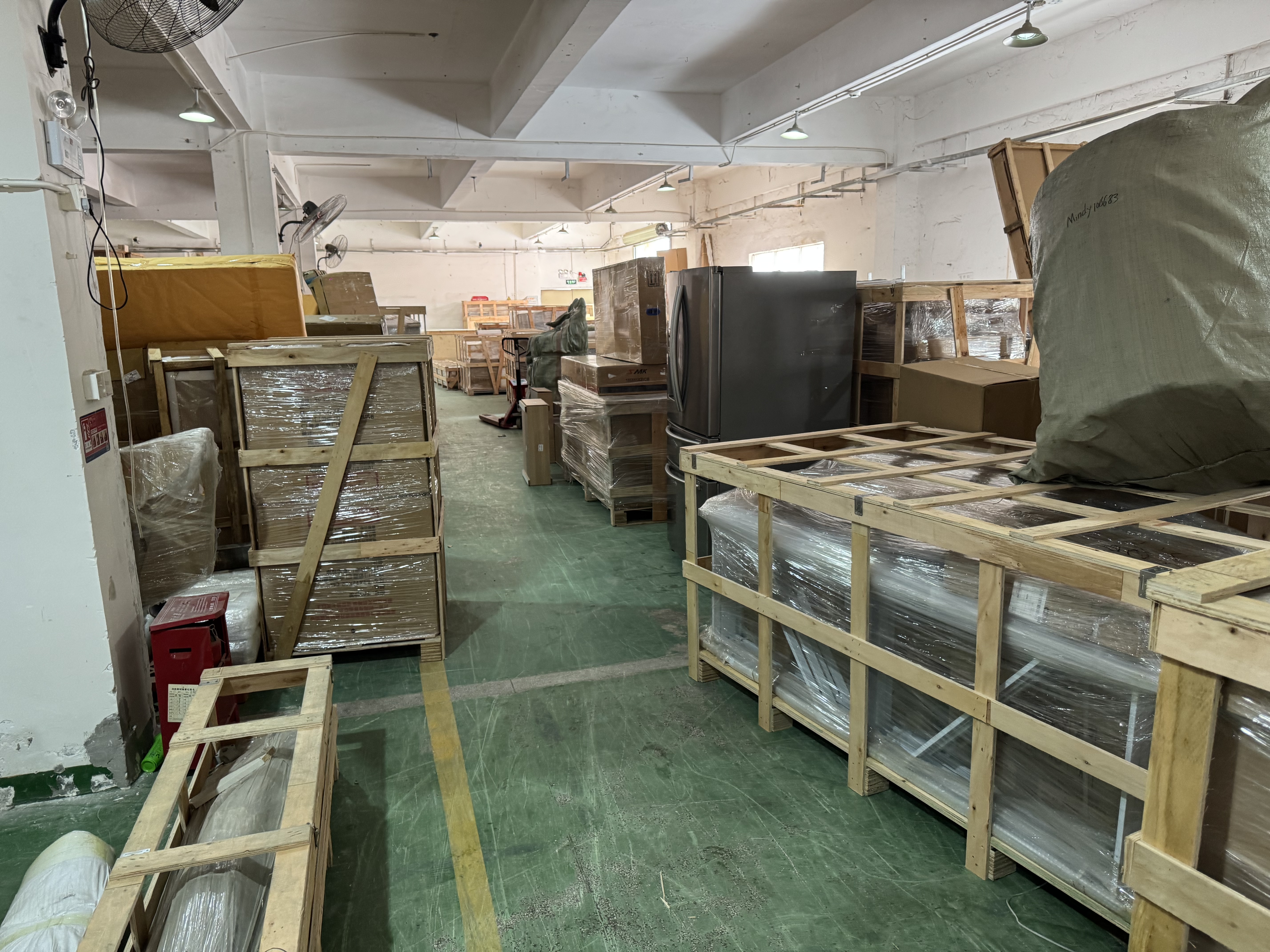
Partnering with a trustworthy logistics company can save you a lot of trouble. Take [盛达国际物流] for example. With a team of 40 - plus experts who have over 10 years of experience in cross - border logistics, they can handle all aspects of your shipment, from documentation to customs clearance. They also have a 35000 - square - meter standardized自营实操仓库 in Shenzhen, ensuring the safety and proper handling of your goods.
2. Stay Informed about Policies
Regularly check official websites of ABF and DAFF for policy updates. You can also subscribe to industry newsletters or join relevant trade groups to stay ahead of the curve. For example, if you know about the new biosecurity regulations in advance, you can prepare the necessary documentation and declarations for your shipment.
3. Plan Ahead
When it comes to shipping, especially during peak seasons, plan your shipments well in advance. This gives you some buffer time in case of unexpected delays. You can also lock in better shipping rates and avoid last - minute cost hikes.
V. Frequently Asked Questions
Q: How can I tell if a logistics partner is reliable? A: A reliable logistics partner should have proper business licenses and a good reputation in the market. You can check online reviews, ask for references from other businesses, and see if they have experience handling shipments similar to yours. [盛达国际物流] has served hundreds of thousands of overseas Chinese users and cross - border businesses since its establishment, and has a standardized and well - structured service system.Q: What should I do if my shipment is held at customs due to documentation issues? A: First, don't panic. Contact your logistics partner immediately. They can usually help you review the documentation and correct the mistakes. Provide them with all the necessary information as soon as possible to speed up the clearance process. In some cases, you may need to pay additional fees for the re - processing of documentation.
Q: Can I still ship sensitive goods to Australia in 2026? A: Yes, but it's more challenging. You need to use a specialized shipping service. For example, [盛达国际物流] has a dedicated compliance channel for sensitive goods. They can help you with proper declaration and compliance procedures to increase the chances of successful shipment.
Q: How can I deal with currency fluctuations affecting my shipping costs? A: You can consider using financial hedging tools such as forward contracts to lock in exchange rates. Another option is to negotiate with your suppliers to share the currency risk. Some logistics partners may also offer advice on managing currency - related costs.
Q: What if I miss the peak sales season due to shipping delays? A: This is a difficult situation. Try to communicate with your customers as soon as possible to manage their expectations. You can offer discounts or other incentives to retain their business. It's also important to learn from this experience and improve your future shipping plans to avoid similar situations.
Shipping goods from China to Australia in 2026 has its challenges, but with the right strategies and a reliable partner, you can minimize the risks and ensure a smooth shipping process. So, stay informed, plan ahead, and think smartly about your cross - border logistics needs.
