

I. Introduction
Moving to a new country is an exciting but challenging endeavor, especially when it comes to relocating your entire household. For immigrants moving from China to Australia in 2026, there are unique considerations due to the latest customs policies and shipping regulations. I've been in the cross - border logistics business for years and have helped numerous clients with their household removals. Let me share some valuable insights and practical tips to make your move smoother.
II. Understanding the 2026 Australia - China Shipping Policy Updates
In 2026, the Australian Border Force (ABF) and the Department of Agriculture, Fisheries and Forestry (DAFF) have introduced some new regulations to ensure biosecurity and proper trade practices. For instance, there are stricter inspections on wooden goods to prevent the entry of pests. Any wooden items must be properly treated and accompanied by a phytosanitary certificate.
I remember a client in 2026 who had some beautiful antique wooden chairs shipped from China. Unfortunately, they didn't know about the new wooden - goods policy. The chairs were held at the Port of Melbourne for almost two weeks until they could get the necessary treatment and certification. This led to additional storage fees and a lot of stress for the client.
III. Choosing the Right Shipping Method
1. Sea Freight
Full Container Load (FCL) If you have a large amount of household items, FCL might be the best option. It offers more security and less handling of your goods. You'll have an entire container to yourself, which can be sealed at the origin and opened at the destination. The transit time for FCL from major Chinese ports to Australian ports like Port Botany in Sydney is roughly 18 days.However, the cost of FCL can be high, especially if your goods don't fully fill the container. You'll be paying for the whole container space.
Less than Container Load (LCL) LCL is suitable for those with smaller quantities of goods. Your items will be combined with other shippers' goods in a container. It's a more cost - effective option for small - scale household removals. But it also means more handling of your goods, which can increase the risk of damage. The transit time for LCL is usually a bit longer, around 22 days.
2. Air Freight
Air freight is the fastest option, with a transit time of about 7 days. It's ideal for urgent items or high - value, lightweight items. But it comes at a much higher cost. For example, shipping a small box of important documents or a piece of expensive jewelry by air makes sense, but shipping large pieces of furniture by air would be extremely expensive.IV. Packing and Preparing Your Household Goods
1. Packing Materials
Use high - quality packing materials such as strong cardboard boxes, bubble wrap, and packing peanuts. For fragile items like glassware and ceramics, wrap them individually with bubble wrap and place them in boxes with plenty of cushioning.For large furniture items, consider using furniture covers to protect them from scratches and dust during transit.
2. Labeling
Clearly label each box with its contents and the room it belongs to in your new Australian home. This will make unpacking much easier. Also, label any fragile items with a "Fragile" sticker.
V. Customs Declaration and Clearance
1. Documentation
You need to prepare a detailed inventory of all your household goods. Include descriptions, quantities, and values of each item. This inventory will be used for customs declaration.If you have any precious items like jewelry, antiques, or artworks, provide appraisals to prove their value.
Don't forget to obtain any necessary certificates, such as the phytosanitary certificate for wooden goods mentioned earlier.
2. Working with a Customs Broker
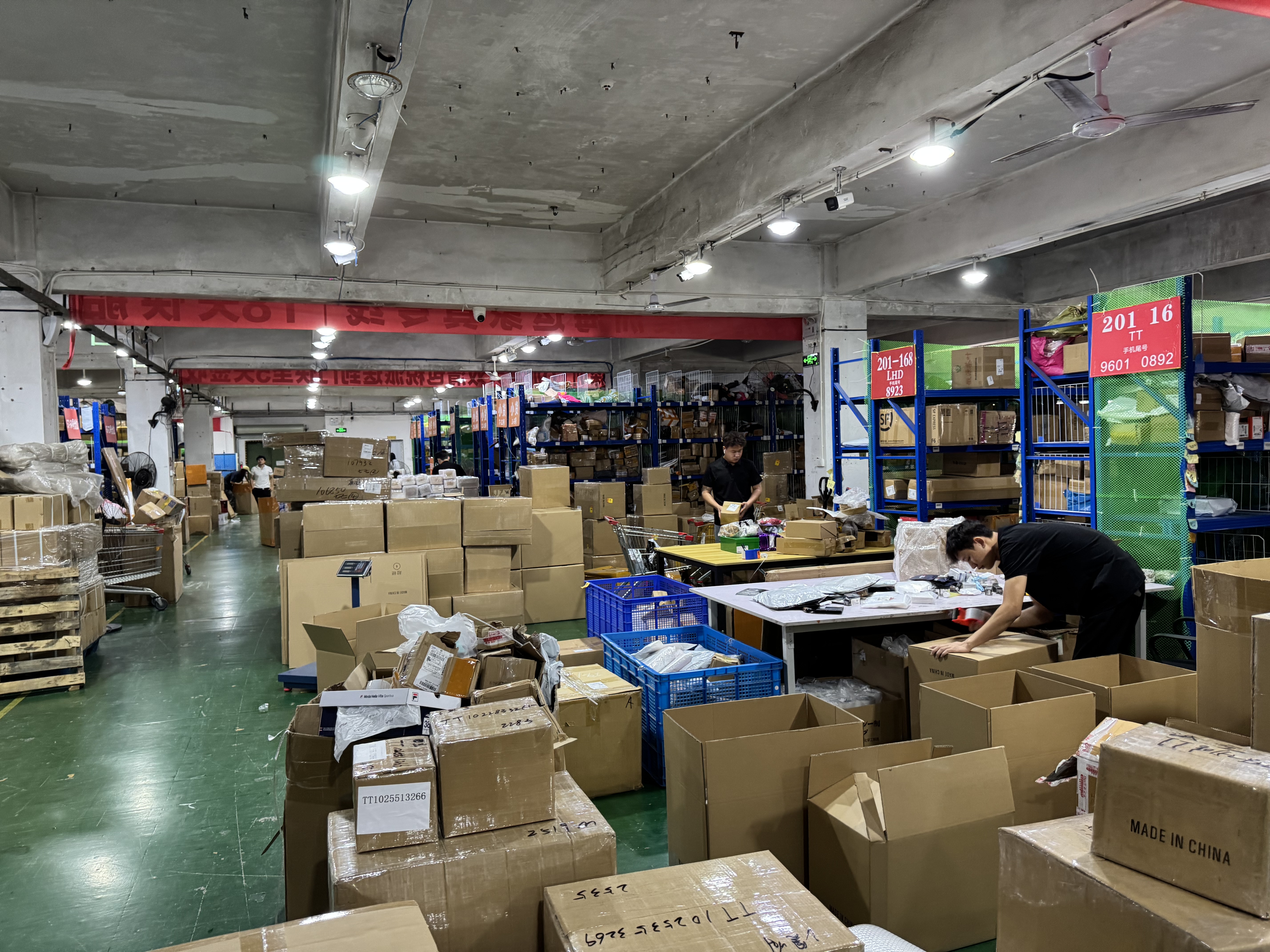
A good customs broker can be invaluable. They understand the Australian customs regulations and can help you complete the necessary paperwork correctly. They can also represent you during the customs clearance process and handle any issues that may arise.
VI. Case Study: A Successful Household Removal
I had a client, a family moving from Shanghai to Brisbane. They had a mix of furniture, clothing, and some kitchenware. First, we helped them choose the LCL shipping option as they didn't have enough goods to fill a full container.
We guided them through the packing process, advising them on the best materials to use and how to label their boxes. For their wooden furniture, we arranged for the proper phytosanitary treatment and obtained the required certificate.
We also worked with a reliable customs broker to handle the customs declaration. The broker ensured that all the documentation was in order and represented the client during the customs clearance.
In the end, their goods arrived in Brisbane on time, and the family was very satisfied with the smooth process of their household removal.
VII. FAQ
How much does it cost to ship household goods from China to Australia? Well, it depends on various factors like the volume and weight of your goods, the shipping method you choose, and whether you need additional services like insurance. For example, shipping a 20 - foot container full of household goods by sea can cost around AUD 3,500 - 5,000. But this is just an estimate. If you have fewer items and choose LCL, the cost will be much lower per cubic meter.Do I need to pay taxes on my household goods when importing them to Australia? Generally, as an immigrant, you may be eligible for duty - free import of your personal and household effects. However, there are some conditions. The goods must be for your own use, and you need to have owned and used them for a certain period before the move. Goods that are new and intended for resale are subject to duties and taxes.
Can I ship food items from China to Australia? It's a bit tricky. Some food items are allowed, but they must meet strict biosecurity requirements. For example, fresh fruits, vegetables, and meat products are usually prohibited. You can ship some processed and packaged foods, but it's best to check with the Australian authorities or your logistics provider in advance.
How long does the customs clearance process usually take? It can vary. In normal cases, if all the documentation is in order, customs clearance can take 1 - 3 days. But if there are issues like incorrect documentation or if your goods are selected for further inspection, it could take longer, sometimes up to a week or more.
Should I buy insurance for my household goods during shipping? I highly recommend it. Shipping involves some risks, such as damage, loss, or theft. Insurance can give you peace of mind. You can usually purchase insurance through your logistics provider. The cost of insurance is usually a small percentage of the value of your goods, around 1 - 3%.
In summary, moving your household from China to Australia in 2026 requires careful planning, understanding of the new regulations, and choosing the right logistics partner. With the right approach, you can ensure a smooth and stress - free move.
