

I. Introduction
Hey there, Australian small business owners, importers, and e-commerce sellers! As someone with hands-on experience in cross - border logistics between China and Canada, I've seen firsthand the challenges and pitfalls that can occur in parcel shipping. In 2026, there have been some significant policy changes and industry trends that you need to be aware of to avoid unnecessary headaches and costs. Let me share some real - life examples and practical tips to help you navigate this complex process.
I remember a client back in 2026. They were a 3C electronics seller based in Vancouver. They shipped a large batch of smartphones from China without understanding the new customs regulations. As a result, their parcels were held up at the Port of Vancouver for weeks, which not only delayed their product launch but also incurred substantial storage fees. This is just one of the many common scenarios that I'll be discussing today.
II. Understanding the New 2026 Regulations
1. Customs and Valuation Changes
The Canadian Border Services Agency (CBSA) has tightened its customs valuation procedures in 2026. Now, they're more strict about accurate declaration of the value of goods. A few months ago, an apparel importer in Toronto underestimated the value of a shipment to save on duties. The CBSA discovered the discrepancy during inspection, and the importer faced hefty fines and a significant delay in getting their goods.
According to the new rules, you must provide detailed invoices with accurate prices, including all costs like shipping and handling. The HS codes used for classification also need to be precise. Incorrect classification can lead to over - or under - payment of duties and taxes, as well as customs clearance delays.
2. Food and Safety Regulations
If you're shipping food items from China to Canada, you'll need to comply with the strict regulations set by the Canadian Food Inspection Agency (CFIA). The first time I ran into this was when a home goods seller also dabbled in importing some Chinese snacks. They didn't know about the new CFIA requirements, such as detailed ingredient lists and proper labeling in both English and French. Their shipment was rejected, and they lost a lot of money.
In 2026, the CFIA has introduced more stringent checks on food safety, including checks for contaminants, proper packaging, and accurate expiration dates. Make sure to obtain all the necessary certifications and documentation before shipping any food products.
III. Common Mistakes in Shipping Process
1. Incorrect Packaging
One of the most common mistakes I've seen is incorrect packaging. Many small business owners try to cut costs by using sub - standard packaging materials. A 3C electronics seller in Montreal once shipped smartphones in regular cardboard boxes without proper cushioning. When the packages arrived, several phones were damaged due to rough handling during transit.
For electronics and fragile items, invest in high - quality packing materials such as foam inserts, bubble wrap, and sturdy outer boxes. For larger items like furniture, consider palletizing and using wooden crates for added protection.
2. Inadequate Shipping Documents
Missing or incorrect shipping documents can cause major delays at the border. For example, an apparel importer in Calgary failed to include a proper Bill of Lading with their shipment. The customs authorities would not release the goods until the correct document was provided.
Make sure to double - check all your shipping documents, including the commercial invoice, packing list, and certificate of origin. Any errors or omissions can lead to long - term storage fees and lost business opportunities.
IV. Pitfalls in Choosing a Logistics Service Provider
1. Unreliable Providers with Hidden Costs
Some logistics providers may offer low - cost shipping options but have hidden costs. A few months ago, a small e - commerce seller in Toronto chose a provider based on price. However, they later found out about additional fees for fuel surcharges, handling fees, and storage fees.
Before choosing a logistics service provider, get a detailed quote that includes all possible costs. Read the terms and conditions carefully, and don't be afraid to ask questions about any unclear charges.
2. Lack of Experience and Expertise
Another pitfall is choosing a provider without enough experience in cross - border shipping between China and Canada. An inexperienced provider may not be familiar with the new 2026 regulations, leading to delays and compliance issues.
I recommend looking for a provider like Shengda International Logistics, which has a team of 40+ professionals with over 10 years of experience in this industry. They've got a solid understanding of Canadian customs and regulations, and they can offer you customized solutions for your specific shipping needs.
V. FAQ
How can I ensure accurate HS code classification for my goods? Well, the best way is to consult the official Canadian HS code database. You can also get help from a customs broker or a logistics provider with expertise in cross - border shipping. Shengda International Logistics has a dedicated team that can assist you with accurate classification, reducing the risk of customs issues.
What should I do if my parcel is held up at customs? First, contact your logistics provider immediately. They can help you understand the reason for the hold - up and guide you through the process of providing any additional documentation required by customs. In many cases, it's just a matter of clarifying some details, but it's important to act quickly to avoid long - term storage fees.
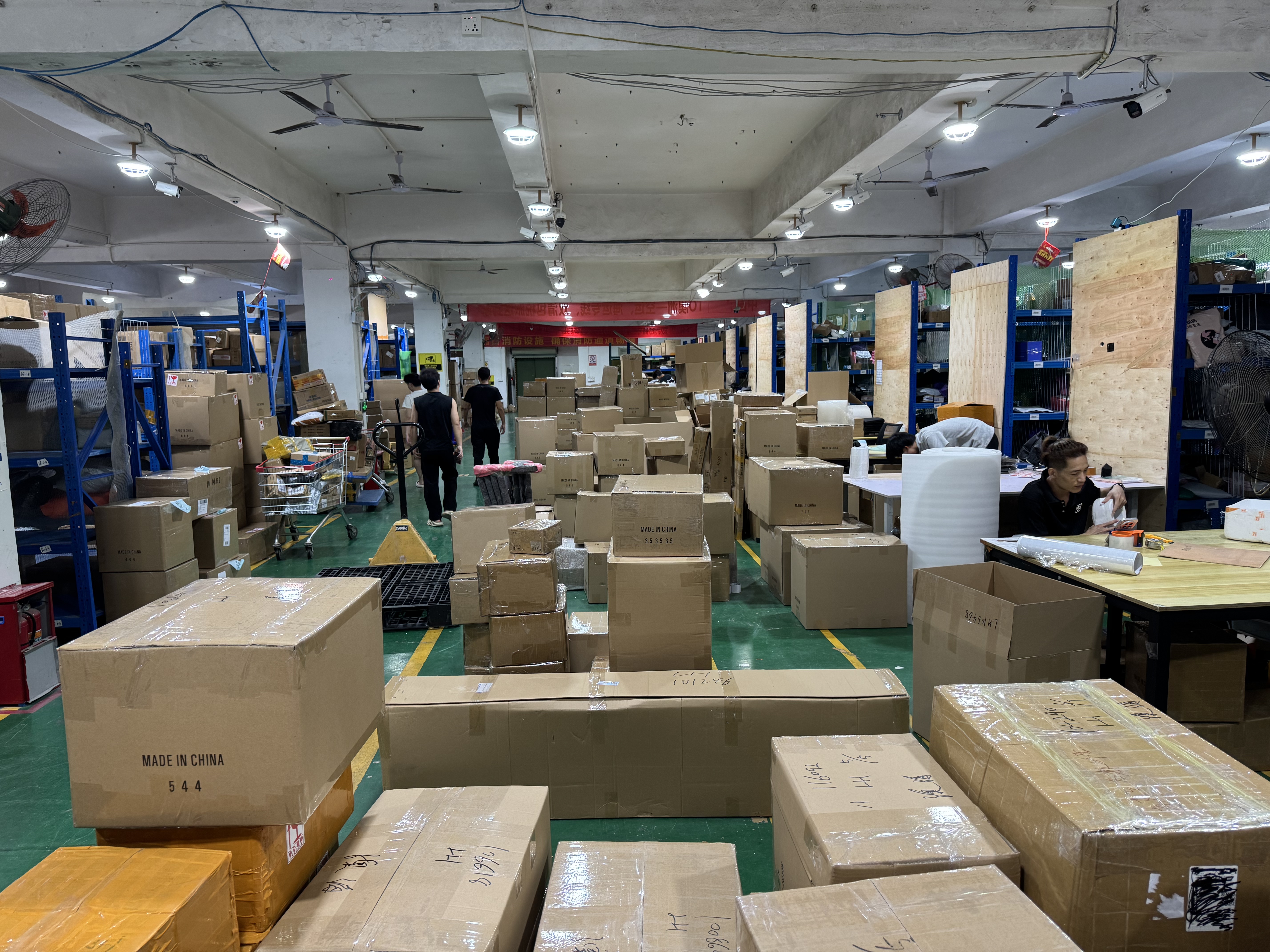
Can I ship sensitive goods like electronics and food to Canada? Yes, you can. But you need to follow the regulations for sensitive goods. For electronics, make sure they meet the Canadian safety standards. And for food, you must comply with the CFIA regulations, including proper labeling and safety certifications. Shengda International Logistics has a dedicated sensitive goods compliance service that can help you navigate these regulations.
How do I choose the right packaging for my goods? It depends on the nature of your goods. For fragile items like electronics, use plenty of cushioning materials. For large and heavy items, consider palletizing or using crates. If you're not sure, your logistics provider can give you some advice. Shengda International Logistics offers free consultations on packaging solutions to ensure your goods arrive safely.
What are the main factors affecting shipping costs from China to Canada? The main factors include the weight and volume of your goods, the shipping method (air or sea), the distance, and any additional services like customs clearance and insurance. In 2026, fuel surcharges and new regulatory requirements can also impact the overall cost. A well - informed logistics provider can help you optimize your shipping costs.
In conclusion, when shipping parcels from China to Canada in 2026, stay informed about the new regulations, avoid common mistakes in packaging and documentation, and choose a reliable logistics partner. By doing so, you can ensure a smooth and cost - effective shipping process for your business.
