

I. Introduction
Hey there, Australian small business owners, importers, and e - commerce sellers! In 2026, the landscape of cross - border logistics to Canada has been changing a lot. I've been in the cross - border logistics industry for quite some time, dealing with the complexities of shipping between China and Canada on a daily basis. I've seen various scenarios where businesses either thrive or face challenges due to their logistics choices.
Let's start with a question: Have you ever found yourself grappling with high shipping costs, long delivery times, or customs issues when importing goods from China to Canada? If so, you're not alone. In this article, I'll share some insights about Canada consolidation service in 2026, based on my hands - on experience.
II. The Basics of Canada Consolidation Service
What is Consolidation Service? Consolidation service involves combining multiple small shipments into one larger shipment. This is a cost - effective solution for small businesses and e - commerce sellers. For example, if you're a home goods seller in Vancouver and you have several small orders from different suppliers in China, instead of shipping them separately, you can use a consolidation service to group them together. This way, you can save on shipping costs as larger shipments often have better freight rates.
How it Works The process usually starts when you send your goods to a consolidation warehouse in China. The warehouse staff will receive, inspect, and store your items. Then, they'll wait for other shipments to arrive and combine them into one larger container. Once the container is full or close to capacity, it will be shipped to Canada. After arrival in Canada, the goods will go through customs clearance and then be delivered to your designated location.
III. Key Advantages of Canada Consolidation Service in 2026
Cost Savings
One of the biggest advantages is cost reduction. I had a client back in 2026, a 3C electronics seller in Toronto. Before using consolidation service, they were shipping their products individually, and the shipping costs were eating into their profit margins. By switching to a consolidation service, they were able to reduce their shipping costs by roughly 30%. This is because the freight rates for larger shipments are generally lower per unit.Additionally, with consolidation, you can avoid some of the additional fees associated with small - parcel shipping, such as handling fees for multiple packages.
Flexibility Consolidation service offers great flexibility. You can choose the shipping method that suits your needs, whether it's sea freight or air freight. Sea freight is slower but more cost - effective for large and heavy items, while air freight is faster but more expensive. For instance, if you have a large order of apparel and you're not in a hurry, sea freight consolidation might be the best option. But if you have a rush order of new - season electronics, air freight consolidation can ensure a quicker delivery.
Customs Clearance In 2026, the Canadian Border Services Agency (CBSA) has tightened its inspection procedures. However, professional consolidation service providers have a better understanding of the customs regulations. They can help you prepare the necessary documents accurately and ensure that your goods clear customs smoothly. For example, they'll make sure that your HS codes (Harmonized System codes) are correct, which is crucial for proper tariff calculation and customs clearance.
IV. Potential Challenges and How to Overcome Them
Longer Transit Times (Deep - Dive Section) When using consolidation service, one common challenge is the longer transit times, especially for sea freight. Since the service provider waits for multiple shipments to fill a container, it can add some time to the overall shipping process. For example, in a specific scenario, a trade factory in Melbourne exporting home goods to Calgary found that their shipments took roughly 45 days instead of the usual 30 - day direct shipping time.To overcome this, you need to plan your inventory management carefully. Forecast your demand accurately and place your orders from Chinese suppliers in advance. If possible, work with a consolidation service provider that offers faster turnaround times, such as those with dedicated consolidation schedules. You could also consider a combination of sea freight consolidation for your regular orders and air freight consolidation for urgent or high - value items.
Inventory Management With consolidation, your inventory might be in transit for a longer time. This can make it difficult to manage your stock levels. For example, an apparel importer in Montreal might face a situation where they run out of popular items while waiting for a consolidated shipment to arrive.
To address this, implement an effective inventory management system. Use software to track your inventory in real - time, set up reorder points, and communicate closely with your suppliers in China. You can also consider holding a small amount of safety stock to cover any unexpected demand during the shipping period.
Finding a Reliable Provider There are many consolidation service providers out there, but not all of them are reliable. Some might have hidden fees, poor customer service, or inaccurate tracking systems. I once had a client who used a cheap and untested provider, and their goods were lost in transit.
To find a reliable provider, do your research. Check online reviews, ask for recommendations from other businesses in your industry, and verify their credentials. Look for a provider that has experience in handling goods similar to yours, offers transparent pricing, and has a good track record of on - time deliveries and successful customs clearance.
V. The Impact of 2026 Policies on Canada Consolidation Service
New Customs Regulations The 2026 policies in Canada have introduced stricter customs regulations. For example, the CBSA has increased the scrutiny on the origin of goods, especially those from certain regions. This means that for consolidation service providers and importers, they need to provide more detailed information about the source of the products. Providers are now required to maintain accurate records of the origin of each item in a consolidated shipment.
Food and Safety Regulations The Canadian Food Inspection Agency (CFIA) has also updated its food safety regulations. If you're importing food products through consolidation service, you need to ensure that the products meet the new safety standards. The service provider should have proper procedures in place to handle food items, such as separate storage areas and proper labeling.
VI. Choosing the Right Consolidation Service Provider
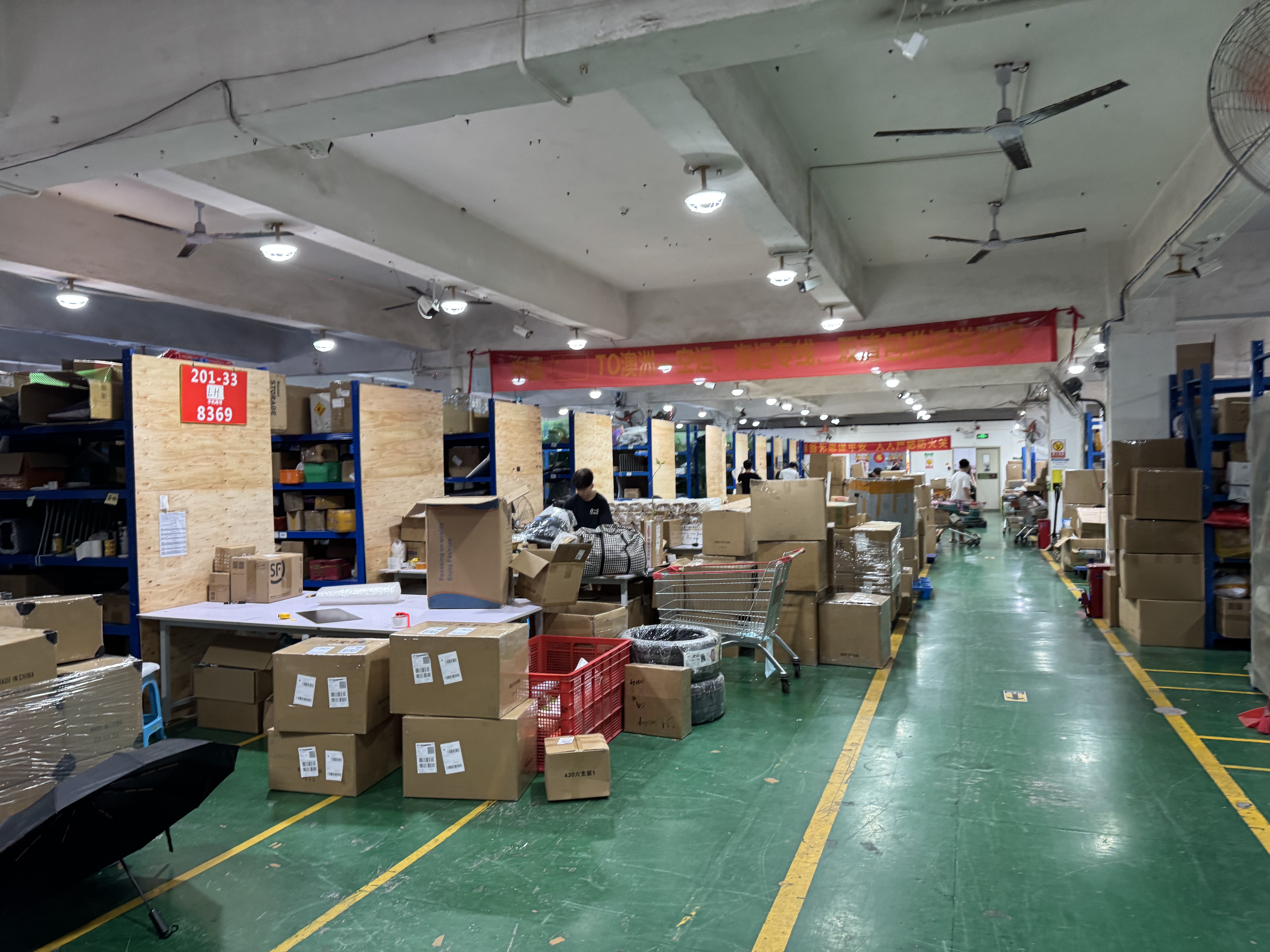
Experience and Reputation Look for a provider with a long - standing experience in Canada - bound cross - border logistics. A company like Shengda International Logistics has a team of 40 experts with over 10 years of international logistical experience. You can check their online presence, read customer reviews, and see if they have any industry awards or recognitions.
Service Offerings Consider a provider that offers a comprehensive range of services. Shengda International Logistics, for example, offers not only consolidation but also a series of value - added services like free warehousing for 365 days, package inspection, and repackaging. This can help you save time and money on various aspects of the shipping process.
Pricing Transparency Make sure the provider has a clear and transparent pricing structure. Avoid those with hidden fees. Shengda International Logistics adopts an all - inclusive pricing model, where all costs like shipping, customs clearance, and taxes are clearly stated upfront, so you won't be faced with unexpected charges.
VII. FAQ
What are the main differences between air freight and sea freight consolidation? Air freight consolidation is faster, with an average delivery time of 7 - 12 days, but it's more expensive. It's suitable for urgent or high - value goods. Sea freight consolidation is slower, usually taking 30 - 60 days, but it's much more cost - effective for large and heavy items.
How can I ensure my goods are safe during consolidation? Choose a reliable service provider with a good reputation. They should have proper storage facilities, trained staff for handling goods, and a system for tracking your items. For example, Shengda International Logistics has a 35,000 - square - meter standardized warehouse and an in - house tracking system to ensure the safety of your goods.
What documents do I need for customs clearance in Canada? You'll typically need a commercial invoice, a packing list, a bill of lading or airway bill, and any relevant permits or certificates. The specific requirements may vary depending on the type of goods you're importing. A professional consolidation service provider can help you prepare the correct documents.
Can I track my consolidated shipment? Yes, most reliable service providers offer tracking services. For instance, Shengda International Logistics has a self - developed intelligent logistics system that allows you to track your shipment from the moment it arrives at the warehouse in China until it's delivered to your door in Canada. You can check the status of warehousing, packing, shipping, and delivery in real - time.
What should I do if my consolidated shipment is delayed? First, contact your service provider to get the latest information. They should be able to provide you with reasons for the delay and an estimated time of arrival. If the delay is due to the provider's negligence, you should inquire about any compensation policies. In general, having open communication with your provider is the key to solving such issues.
