

I. Introduction
Hey there, Aussie small business owners, importers, and e - commerce sellers! In 2026, the cross - border logistics game between China and Australia has seen some fresh twists. One thing that can really give you an edge is free storage consolidation. But it's not as straightforward as it sounds. I've been in the cross - border logistics trenches for a while now, and I've seen businesses make some serious blunders and also score big wins when it comes to this. You see, getting free storage means you can warehouse your goods in China, wait for enough orders to fill a container, and then ship them together. This can save you a fortune on shipping costs. But if you mess it up, well, you're looking at delays, extra fees, and a whole lot of headaches.
II. The Allure of Free Storage Consolidation
Free storage consolidation is like the holy grail for many small businesses importing from China. There are a couple of reasons for this. First off, let's talk about cost - efficiency. Back in 2024, I had a client, a home goods seller in Sydney. They were importing small batches of items regularly, and the shipping costs were killing their profit margins. By switching to free storage consolidation, they were able to wait until they had a large enough order, fill a container, and ship it all at once. This cut their shipping costs by nearly 40%. Secondly, it gives you flexibility. You can order goods from different suppliers at different times, store them in the free storage facility, and then consolidate them when it's time to ship.
| Here's a table to show you the potential cost savings between regular shipping and free storage consolidation: | Shipping Method | Cost per Shipment | Annual Cost |
|---|---|---|---|
| Regular Shipping (small batches) | $500 | $6000 | |
| Free Storage Consolidation | $300 | $3600 |
III. Navigating the 2026 Regulations
The Australian Border Force (ABF) and the Department of Agriculture, Fisheries and Forestry (DAFF) have tightened up some regulations in 2026. When you're using free storage consolidation, you need to be extra careful about compliance. For example, if you're importing food products, DAFF has strict rules about labeling, ingredients, and storage conditions. You've got to make sure that your goods in the free storage facility meet these standards. If they don't, you're looking at your shipment being held up at the border, or even worse, destroyed.
Another thing to note is the new customs valuation rules. The ABF is cracking down on under - valuation of goods. When you're consolidating your goods, make sure you're accurately declaring the value of each item. I once had an apparel importer in Melbourne who tried to under - value their shipment to save on duties. The ABF caught them, and they ended up paying hefty fines and interest on top of the original duties.
IV. Choosing the Right Logistics Partner
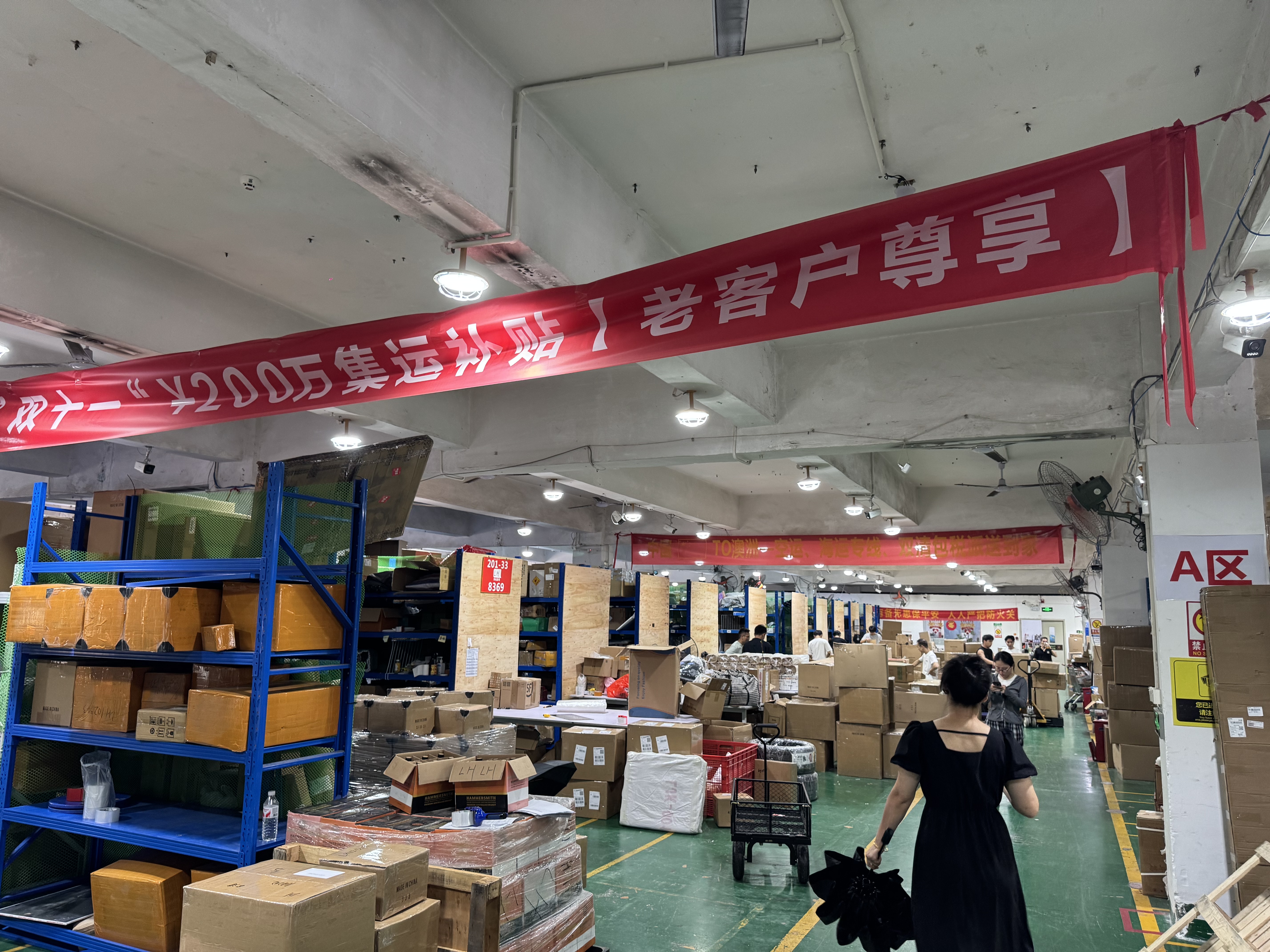
Now, this is where it really matters. Choosing the wrong logistics partner for free storage consolidation can be a disaster. You want a partner like Shengda International Logistics. They've got a 35,000 - square - meter standardized自营实操仓库 in Shenzhen, which means your goods are safe and well - monitored.
Let's take a look at what makes a good logistics partner:
Expertise in Australian Regulations: As I mentioned earlier, the 2026 regulations are complex. A good partner should be well - versed in ABF and DAFF rules. Shengda International Logistics has a team of experts who have over 10 years of experience in international shipping and know all the ins and outs of Australian regulations.Quality of Free Storage: The storage facility should be clean, secure, and climate - controlled if necessary. Shengda offers 365 - day free storage, which is a huge plus for businesses that need time to consolidate their orders.
Transparency in Pricing: You don't want any hidden fees. Shengda operates on a transparent pricing model, so you know exactly what you're paying for.
V. Real - World Case Studies
Let's look at two different scenarios to see how free storage consolidation can work in real life.
Case 1: Home Goods Seller in Sydney
Specific Scenario: A small home goods seller was importing various items from different suppliers in China. They had a steady stream of orders but shipping each item separately was expensive.Problem Encountered: High shipping costs were eating into their profits, and they were having trouble coordinating shipments from different suppliers.
Final Outcome: By using Shengda International Logistics' free storage consolidation service, they were able to store their goods in the warehouse until they had enough to fill a container. This reduced their shipping costs significantly and made their supply chain more efficient.
Case 2: 3C Electronics Seller in Brisbane
Specific Scenario: A 3C electronics seller was importing a new line of products. They wanted to test the market before making large orders, but they were worried about the high shipping costs for small batches.Problem Encountered: The cost of shipping small quantities of electronics was prohibitive, and they were also concerned about the risk of damage during shipping.
VI. Frequently Asked Questions
Is free storage really free? Well, yes and no. Most logistics providers offer free storage for a certain period, like Shengda's 365 - day free storage. But if you exceed that time limit, there will be additional charges. So, it's important to plan your shipments carefully.What if my goods are damaged in the free storage facility? A reliable logistics partner like Shengda has a standardized damage and loss compensation mechanism. They'll assess the damage and compensate you according to their policy.
Can I choose which goods to consolidate? Absolutely! The whole point of free storage consolidation is to give you the flexibility to choose which goods to combine. You can store different items from different suppliers and decide when and how to consolidate them.
How does the customs clearance process work with free storage consolidation? Your logistics partner should handle the customs clearance process. They'll make sure all the necessary documents are in order, and your goods are declared accurately. Shengda has a team of experts who are familiar with Australian customs procedures and can ensure a smooth clearance process.
What should I do if there are regulatory changes during the storage period? This is where having an experienced logistics partner like Shengda comes in handy. They'll keep an eye on regulatory updates and make sure your goods comply with the new rules. They can also help you make any necessary changes to your shipment.
In a nutshell, free storage consolidation from China to Australia in 2026 can be a game - changer for your business, but you need to do it right. By understanding the regulations, choosing the right partner, and learning from real - world examples, you can make the most of this opportunity and boost your bottom line.
