

I. Understanding the Basics of Consolidation Shipping to Montreal
Consolidation shipping, also known as groupage or less - than - container - load (LCL) shipping, is a popular option for small - and medium - sized business owners, importers, and e - commerce sellers in Canada. In 2026, with the continuous development of cross - border trade between China and Canada, shipping to Montreal, a major economic and cultural centre in Canada, has become even more important.
I've been in the cross - border logistics business for quite a while, and I remember a client back in 2025. He was an apparel importer in Montreal. At first, he was considering full - container shipping, but his order volume was not large enough to fill a whole container. That's when I introduced him to consolidation shipping. It turned out to be a great solution for him, saving him a lot of costs.
1. How Consolidation Shipping Works
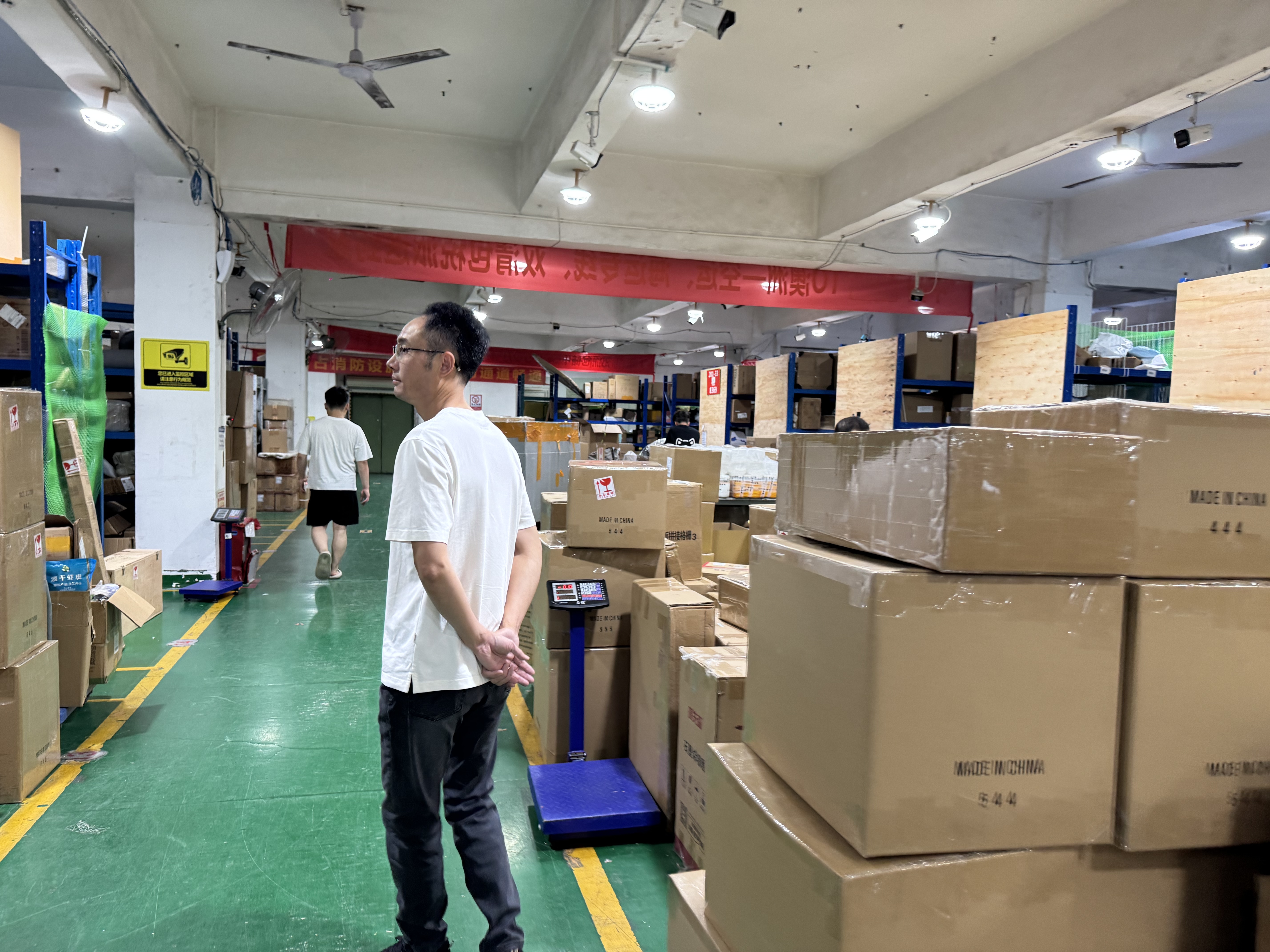
In consolidation shipping, multiple shippers' goods are combined into one container. This is done at a consolidation centre in the origin country. Once the container is filled or reaches a certain capacity, it is shipped to the destination port, in this case, the Port of Montreal. At the destination, the container is de - consolidated, and each shipper's goods are then delivered to their respective recipients.
2. Benefits in 2026
One of the main advantages in 2026 is cost - effectiveness. With the increasing cost of shipping, especially for full - container loads, consolidation shipping allows small businesses to share the shipping cost. It also provides more flexibility in terms of order volume. You don't have to wait until you have a large enough order to fill a container.
Another benefit is that it aligns with the trend of more sustainable shipping. By sharing containers, it reduces the overall carbon footprint of shipping.
II. Key Considerations for 2026
1. New Customs Regulations
In 2026, the Canadian Border Services Agency (CBSA) has introduced some new customs regulations for goods entering Canada, including those shipped to Montreal. For example, the eManifest system has become more strict. Shippers are required to provide more detailed information about the goods, such as the exact description, quantity, and value. Failure to comply with these regulations can lead to delays at customs and even fines. I once had a shipment that was held up at the Port of Montreal because the eManifest information was incomplete. It took about 3 - 4 extra days to sort out the issue, which caused a lot of inconvenience to the client.
2. Shipping Times and Delays
Shipping times can vary depending on many factors. In general, the transit time from China to the Port of Montreal for consolidation shipping is roughly 20 - 25 days. However, in 2026, there have been some challenges. For instance, due to the global supply chain disruptions, there have been delays in container availability and port congestion. A 3C electronics seller in Montreal told me that his last shipment was delayed by about 7 days because of the congestion at the Port of Shanghai. This delay affected his sales as he had to postpone the launch of a new product.
III. Choosing the Right Logistics Provider
1. Experience and Reputation
When choosing a logistics provider for consolidation shipping to Montreal in 2026, experience and reputation are crucial. A provider with a long - standing presence in the market is more likely to have dealt with various situations and can handle potential problems more effectively. For example, [Company Name] has been in the cross - border logistics business for many years. They have a team of experts who are familiar with the new customs regulations and can ensure smooth shipping processes.
2. Service Offerings
Look for a provider that offers a comprehensive range of services. This includes not only the basic shipping and consolidation services but also additional services such as customs clearance, warehousing, and last - mile delivery. Some providers may also offer value - added services like cargo insurance, which can give you peace of mind in case of any unforeseen circumstances.
3. Cost - Efficiency
While cost is an important factor, it should not be the only consideration. A provider that offers the lowest price may not necessarily provide the best service. It's important to compare the prices and services of different providers to find the best balance.
IV. Comparing Different Shipping Options
1. Air Freight vs. Consolidation Shipping
Air freight is much faster than consolidation shipping. The transit time from China to Montreal by air is usually around 3 - 5 days. However, it is also much more expensive. For small and light - weight goods that are time - sensitive, air freight may be a better option. But for larger and heavier shipments, consolidation shipping is more cost - effective. For example, a home goods seller in Montreal once had a small order of high - end decorative items that needed to be launched in a short time. He chose air freight, which cost him about $3,000. But for his regular large - volume shipments of furniture, he always uses consolidation shipping, which saves him a significant amount of money.
2. Full - Container Shipping vs. Consolidation Shipping
Full - container shipping is suitable for large - volume shipments. If you have enough goods to fill a whole container, it can be more efficient in terms of shipping cost per unit. However, if your order volume is not large enough, consolidation shipping is a better choice. A trade factory in China that exports machinery parts to Montreal found that when their order volume was low, using consolidation shipping reduced their shipping cost by about 30% compared to full - container shipping.
V. Frequently Asked Questions
1. How can I ensure my goods are properly consolidated?
You should choose a reliable logistics provider. They have professional staff and processes to ensure that your goods are properly packed, labelled, and combined with other shippers' goods. For example, [Company Name] has a warehousing system where they can inspect and sort your goods before consolidation.
2. What if my goods are damaged during consolidation shipping?
Most logistics providers offer cargo insurance. You can purchase insurance to cover the value of your goods. In addition, a good provider will have a proper handling process to minimize the risk of damage. If damage does occur, they will have a claims process in place.
3. Are there any restrictions on the types of goods that can be shipped via consolidation?
Yes, there are restrictions. Hazardous materials, illegal items, and some types of perishable goods may not be allowed. You need to check with your logistics provider and the relevant customs regulations. For example, the Canadian Food Inspection Agency (CFIA) has strict regulations on food products.
4. How can I track my consolidation shipment?
Most logistics providers offer tracking services. You can use the tracking number provided to check the status of your shipment online. [Company Name] has a self - developed intelligent system that allows you to track your shipment in real - time at all nodes in the logistics process.
5. Can I change my shipping address after the goods are consolidated?
It may be possible, but it depends on the progress of the shipping process. If the container has not yet left the consolidation centre, it may be relatively easy to make changes. However, if it has already set sail, it can be more difficult and may involve additional fees. You should contact your logistics provider as soon as possible if you need to make a change.
