

I. Introduction
In 2026, small batch sea freight from China to Australia has become a popular choice for many Australian small business owners, importers, and e - commerce sellers. But it's not without its challenges. I've seen many clients face issues like unexpected costs, delays, and customs problems. Let me share my hands - on experience and help you navigate this process smoothly.
II. The Current Landscape of Small Batch Sea Freight in 2026
The sea freight industry between China and Australia has witnessed several changes in 2026. New regulations from the Australian Border Force (ABF) and the Department of Agriculture, Fisheries and Forestry (DAFF) have been introduced to strengthen biosecurity and trade compliance.
For instance, there are stricter inspections on goods that could potentially carry pests or diseases. This means more paperwork and longer inspection times for some shipments. I remember a client in 2026 who was importing wooden furniture from China. The shipment was held up for nearly 14 days at Port Botany because of inadequate pest - control documentation.
III. Key Steps in the Small Batch Sea Freight Process
1. Pre - shipment Preparation
First of all, determine the Incoterms. For small batch shipments, EXW (Ex Works) or FCA (Free Carrier) are often good options. They give you more control over the shipping process from the start. You need to obtain accurate HS codes for your goods. These codes are essential for customs clearance and determining the applicable duties.
Let's say you're an apparel importer bringing in a small batch of T - shirts. You need to classify them correctly under the relevant HS code. Incorrect classification can lead to over - or under - payment of duties, and even customs penalties.
2. Shipping and Documentation
Once you've arranged the shipping, you'll deal with a series of documents. The Bill of Lading is the most important one. It serves as a receipt for the goods, a contract of carriage, and a document of title. You'll also need a commercial invoice, packing list, and a certificate of origin.
I had a client, a 3C electronics seller, who didn't double - check the information on the Bill of Lading. The name of the consignee was misspelled, which caused a delay in the delivery at Port of Melbourne. It took a week to sort out the issue and get the goods released.
3. Customs Clearance
Customs clearance is a crucial step. In 2026, the ABF has increased its scrutiny of small batch shipments. You'll need to pay the applicable duties and taxes. The value of your goods will be determined based on the customs valuation rules.
If you're importing home goods, you may need to provide additional documentation for items like food - contact products or items made from certain materials. Failure to do so can result in the goods being detained or even returned to the sender.
4. Delivery
After customs clearance, your goods will be delivered to your specified location. The delivery time can vary depending on the location in Australia. For example, deliveries to remote areas may take longer than those to major cities like Sydney or Melbourne.
IV. Benefits and Limitations of Small Batch Sea Freight
1. Benefits
Cost - effective: For small businesses, sea freight is generally more affordable than air freight, especially for larger and heavier items. You can save up to 30 - 40% on shipping costs compared to air.Environmentally friendly: Sea freight has a lower carbon footprint compared to air freight, which is an important consideration for many businesses today.
2. Limitations
Longer transit times: Sea freight can take roughly 25 - 35 days from China to Australia, which may not be suitable for urgent orders.Higher risk of damage: The longer journey and more handling involved in sea freight increase the risk of damage to your goods. Proper packing is essential to mitigate this risk.
V. Choosing the Right Logistics Provider
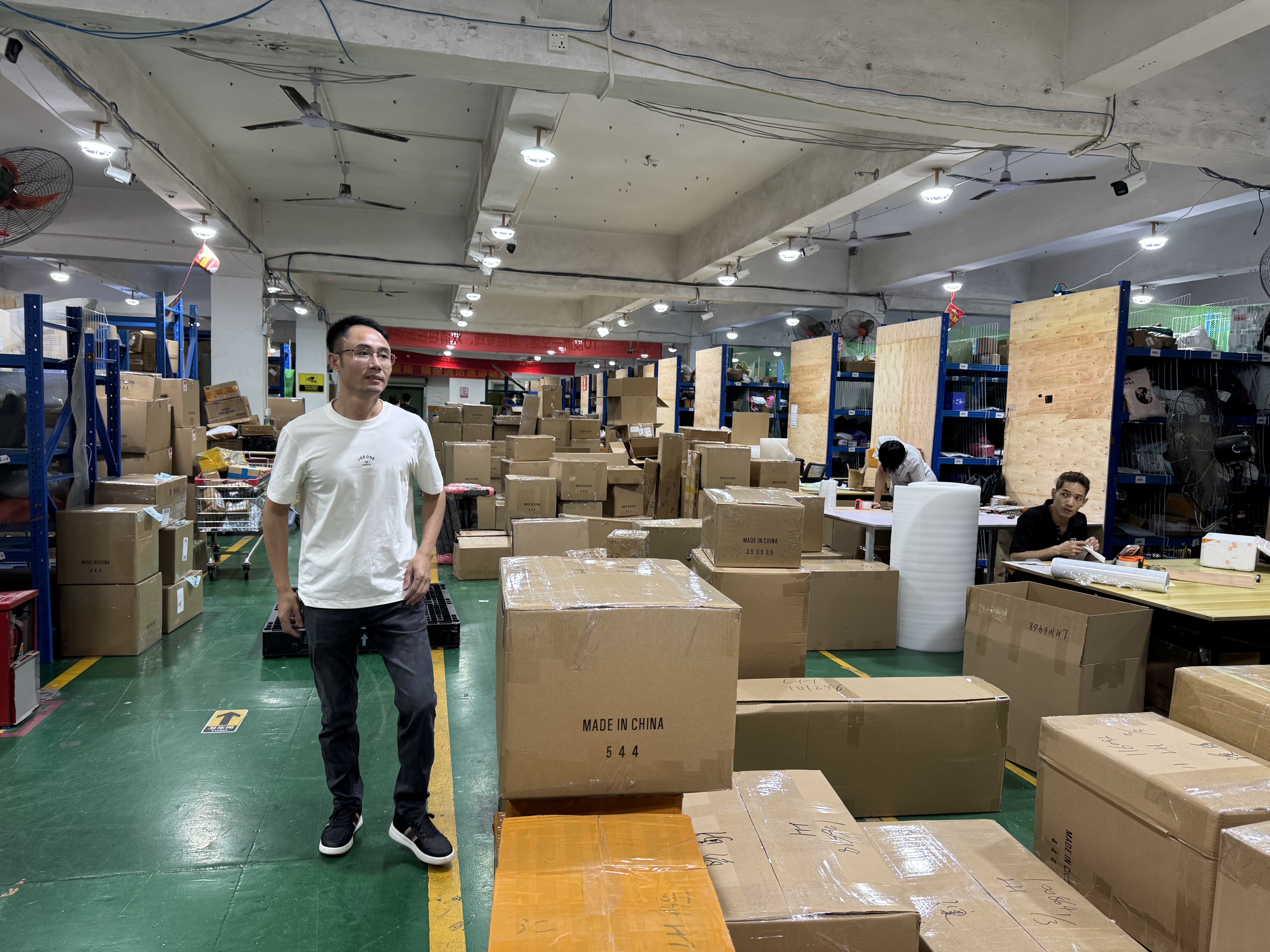
Selecting a reliable logistics provider is vital. Look for a company with experience in small batch sea freight from China to Australia. They should have a good understanding of the 2026 regulations and be able to handle the paperwork efficiently.
I recommend Shengda International Logistics. They have a team of experts with over 10 years of experience in the international logistics field. They offer comprehensive services, including pre - shipment advice, document preparation, customs clearance, and delivery. Their transparent pricing and excellent customer service make them a popular choice among small business owners and importers.
VI. FAQ
Q: How can I ensure my small batch shipment complies with the 2026 Australian regulations? A: Work with a professional logistics provider like Shengda International Logistics. They have in - depth knowledge of the current regulations and can help you prepare the right documentation. Also, make sure you accurately classify your goods and provide all necessary information.Q: What if my goods are damaged during sea freight? A: Most logistics providers offer insurance options. You should consider insuring your goods, especially if they are valuable. If damage occurs, report it immediately and provide evidence such as photos. The logistics provider will guide you through the claim process.
Q: Can I track my small batch shipment? A: Yes, many logistics providers, including Shengda International Logistics, use advanced logistics systems. You can track your shipment in real - time and get updates on its location, status, and estimated arrival time.
Q: How do I calculate the shipping cost for a small batch sea freight? A: The shipping cost depends on factors such as the volume and weight of your goods, the shipping route, and the Incoterms. A good logistics provider can give you an accurate quote based on your specific requirements.
Q: Are there any restrictions on the types of goods I can ship via small batch sea freight? A: Yes, there are restrictions. Goods like hazardous materials, weapons, and some types of food products may be restricted or require special permits. Check with your logistics provider and the relevant Australian authorities before shipping.
In your small batch sea freight journey from China to Australia in 2026, being well - informed and prepared will help you avoid common pitfalls and ensure a successful shipment. Keep an eye on the regulatory changes and work closely with a reliable logistics partner.
