

I. Introduction
Hey there, Australian small business owners, importers, and e - commerce sellers! You might've noticed that the cross - border logistics world is always in flux. With 2026 around the corner, there are whispers of changes in the China - Australia door - to - door air freight sector. I've been in the thick of cross - border logistics between China and Australia for years, dealing with customs procedures, flight schedules, and all the nitty - gritty details firsthand. So, let's take a deep dive into what to expect in 2026 and understand the full process.
II. The Policy Changes in 2026
In 2026, the Australian Border Force (ABF) and the Department of Agriculture, Fisheries and Forestry (DAFF) have rolled out some new measures. One significant change is in the area of biosecurity. The Australian government is tightening its rules on imported goods to protect the local ecosystem. For air freight, this means more strict inspections of products that might carry pests or diseases, like wooden items, food, and some textiles.
I remember a client back in 2024 who sent a batch of wooden handicrafts from Shenzhen to Sydney. At that time, the inspection was already quite strict, but come 2026, the criteria have become even more stringent. There are also some changes in the customs valuation process. The ABF is cracking down on under - invoicing to ensure proper tax collection. This means that accurate declaration of the value of your goods is more crucial than ever.
III. The Full - Process of China - Australia Door - to - Door Air Freight
Order Placement and Packaging When you, as an Australian businessperson, place an order with a Chinese supplier, it's essential to communicate your logistics requirements clearly. For example, if you're an apparel importer in Melbourne, you'll want to tell the supplier about the special packaging needs for your delicate clothes. The packaging should be sturdy enough to withstand the air journey to prevent damage.Once the goods are ready, the supplier or a third - party logistics provider will typically label the packages with all the necessary information, such as the destination address in Australia, the weight, and the description of the goods.
Airport Pick - up in China After the goods are packed and labeled, they'll be picked up from the supplier's location and transported to the departure airport, usually airports like Shanghai Pudong International Airport or Shenzhen Bao'an International Airport. This involves coordinating with local trucking companies to ensure timely and safe transportation.
At the airport, the goods will go through a series of pre - flight checks. The airline will verify the weight, dimensions, and compliance of the shipment. For example, if you're shipping 3C electronics, they'll make sure that all the electrical safety standards are met.
Customs Clearance in China Customs clearance in China is a vital step. The shipper needs to prepare a series of documents, including the commercial invoice, packing list, and the bill of lading. It's important to fill these documents accurately to avoid delays.
The Chinese customs will inspect the goods based on these documents. They'll check if the declared value, quantity, and description of the goods match the actual shipment. If there are any misdeclarations, the shipment could be held up, which happened to a trade factory once when they mislabeled some chemicals as ordinary goods.
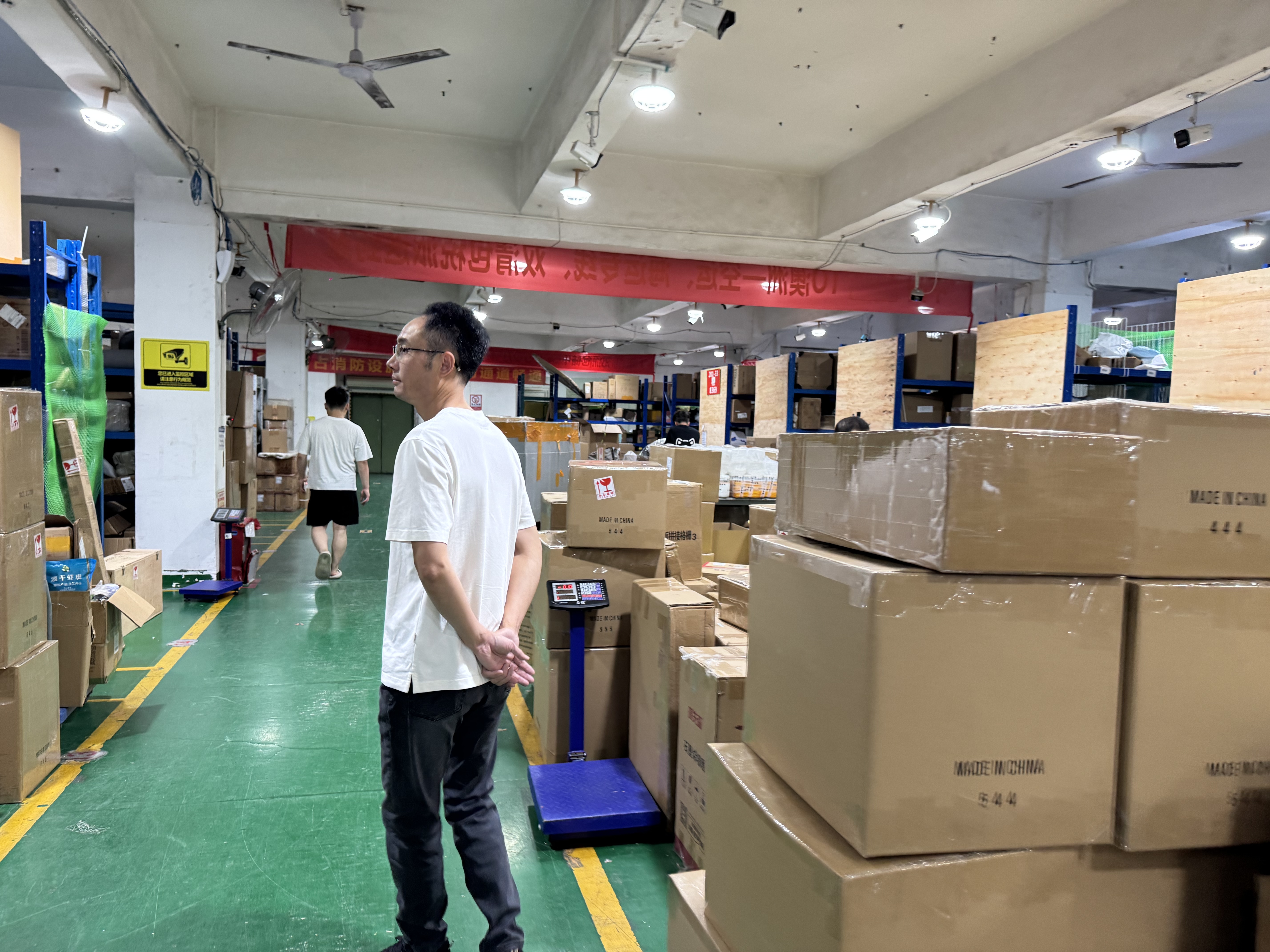
Air Transportation Once the goods clear Chinese customs, they'll be loaded onto the aircraft. The flight time from China to Australia usually ranges from about 9 to 12 hours, depending on the departure and arrival cities.
Airlines operate on strict schedules, and factors like weather and air traffic control can sometimes cause delays. I've seen shipments held up in transit due to bad weather conditions over the ocean, which extended the delivery time by a couple of days.
Customs Clearance in Australia Upon arrival in Australia, the goods will go through Australian customs. As mentioned earlier, with the new 2026 policies, the biosecurity and customs valuation inspections are more rigorous.
The ABF will check all the documents again. They may also conduct physical inspections of the goods, especially if the initial review of the documents raises suspicions. If you're importing home goods that contain wood parts, expect a full - scale biosecurity inspection.
Final Delivery in Australia After successfully clearing Australian customs, the goods will be transported to their final destination in Australia, whether it's a warehouse in Brisbane or a retail store in Sydney. This last - mile delivery is usually done by local courier services.
The delivery time within Australia can vary depending on the location. For major cities, it may take 1 - 2 days, while for more remote areas, it could take 3 - 5 days.
IV. Case Studies
Apparel Importer in Sydney Specific Scenario: An apparel importer in Sydney ordered a large batch of summer clothing from a Chinese supplier. The order was placed in early May and was supposed to arrive in Sydney by the end of May to catch the summer market.Problem Encountered: During Chinese customs clearance, there was a minor issue with the invoice declaration. The declared value didn't match the actual cost of the goods, which led to a brief delay. Additionally, when the goods arrived in Australia, the biosecurity inspection found some traces of potential pests in the packaging material, which required extra treatment.
Final Outcome: Thanks to the efforts of the logistics team, the issue in China was quickly resolved by amending the invoice. In Australia, after the packaging was treated, the goods were released, but they arrived about a week later than planned. The importer missed some of the early - season sales but was still able to sell most of the stock during the summer.
3C Electronics Seller in Melbourne Specific Scenario: A 3C electronics seller in Melbourne sourced a new line of smartphones from a Chinese trade factory. They wanted to have the products in stock for a big promotional event in their store.
Problem Encountered: On the day of the scheduled flight, there was a major air traffic control issue in China, which caused the flight to be delayed by two days. Then, during Australian customs clearance, the new smartphones' technical specifications needed to be re - verified to ensure compliance with Australian standards.
Final Outcome: The seller had to reschedule their promotional event. The delay in the flight and customs clearance meant that the smartphones arrived just in time for a slightly smaller - scale event. While they lost some of the initial marketing buzz, they still managed to sell a significant number of units.
V. FAQ
Q: How can I avoid customs issues in 2026? A: Make sure to accurately declare the value, quantity, and description of your goods. For biosecurity - related items, check the latest Australian regulations and ensure proper treatment or packaging. Working with an experienced logistics provider like Shengda International Logistics can also help, as they have in - depth knowledge of the 2026 policies and can handle all the paperwork correctly.Q: What if my goods are delayed during air transportation? A: Delays can happen due to various reasons such as weather, air traffic control, or mechanical issues. In such cases, a good logistics provider will keep you informed. You can also consider having some buffer time in your supply chain planning. If it's a chronic problem with a particular airline, you might want to explore alternative carriers.
Q: Are there any limitations on the type of goods I can ship via door - to - door air freight? A: Yes, there are restrictions. Hazardous materials are generally not allowed, and as mentioned earlier, biosecurity - sensitive items like certain foods, plants, and wooden products need special handling. Shengda International Logistics has a clear list of what can and cannot be shipped, and they can guide you through the process.
Q: Can I track my shipment during the entire journey? A: Most modern logistics providers offer tracking services. With agents like Shengda International Logistics, you can use their self - developed intelligent shipping system to check the status of your goods at every stage, from pick - up in China to final delivery in Australia. This way, you'll always know where your goods are and when to expect them.
Q: How does the new customs valuation process in 2026 affect my costs? A: The new process aims to ensure accurate tax collection. If you accurately declare the value of your goods, there won't be significant additional costs. However, if you under - declare, you may face fines and additional taxes. It's important to work with a reliable supplier and logistics provider who can help you with proper valuation to avoid any unexpected expenses.
Looking ahead, the China - Australia door - to - door air freight will continue to evolve in 2026 and beyond. Keeping up with the policy changes and choosing a reliable logistics partner will be key to smooth and efficient cross - border shipping. So, stay informed, be prepared, and make the most out of this dynamic logistics channel!
