

I. Introduction
Hey there, Australian small business owners, importers, and e - commerce sellers! In 2026, shopping from China has become a popular choice for many of you due to the wide range of products and competitive prices. However, when it comes to consolidating shopping orders for shipping to Australia, there are numerous potential pitfalls. I've been in the cross - border logistics industry for years, dealing with countless cases of order consolidation. Let me share some real - life stories and practical advice to help you steer clear of common mistakes.
II. Common Mistakes and How to Avoid Them
1. Misunderstanding of New Policies and Regulations (40% of the article)
In 2026, there have been significant updates in the Australian Border Force (ABF) and the Department of Agriculture, Fisheries and Forestry (DAFF) policies. For instance, the quarantine requirements for certain goods, like wooden products and food items, have become more stringent. I once had a client in Sydney, a home goods seller who ordered a large batch of wooden furniture from China. They didn't pay attention to the new fumigation and certification requirements. As a result, when the goods arrived at Port Botany, the shipment was held up for nearly two weeks. This delay not only incurred additional storage fees but also caused a shortage of goods in their store. To avoid such situations, you must stay informed about the latest policies. Check the official websites of ABF and DAFF regularly. If you're unsure about the requirements for a particular product, consult a professional logistics provider. They have the expertise to ensure that your goods meet all the necessary regulations.
2. Inadequate Packaging
Poor packaging is a major problem in cross - border shipments. The journey from China to Australia can be rough, and if your goods aren't properly protected, they're likely to get damaged. I've seen many 3C electronics sellers in Melbourne who thought the original product packaging was enough. But during transit, the products often got scratched or even broken due to improper wrapping and lack of cushioning. To solve this problem, invest in high - quality packaging materials. For fragile items, use bubble wrap, foam inserts, and sturdy boxes. If you're shipping large or heavy items, consider adding wooden braces or pallets for extra support. Also, make sure to label the boxes clearly as "fragile" and indicate the correct handling instructions.
3. Incorrect Product Classification
Product classification using the correct Harmonized System (HS) codes is crucial for customs clearance. Incorrect classification can lead to higher duties, delays, or even fines. A clothing importer in Brisbane once misclassified a batch of synthetic fiber clothing. They used an HS code that was applicable to natural fiber clothing, which had a lower tax rate. When the ABF inspected the shipment, they realized the error. The importer had to pay the correct duties, along with a penalty for misdeclaration. To get the right HS codes, you can use online databases provided by customs authorities or consult with your logistics partner. They have access to comprehensive product classification guides and can help you classify your products accurately.
4. Failure to Choose the Right Logistics Provider
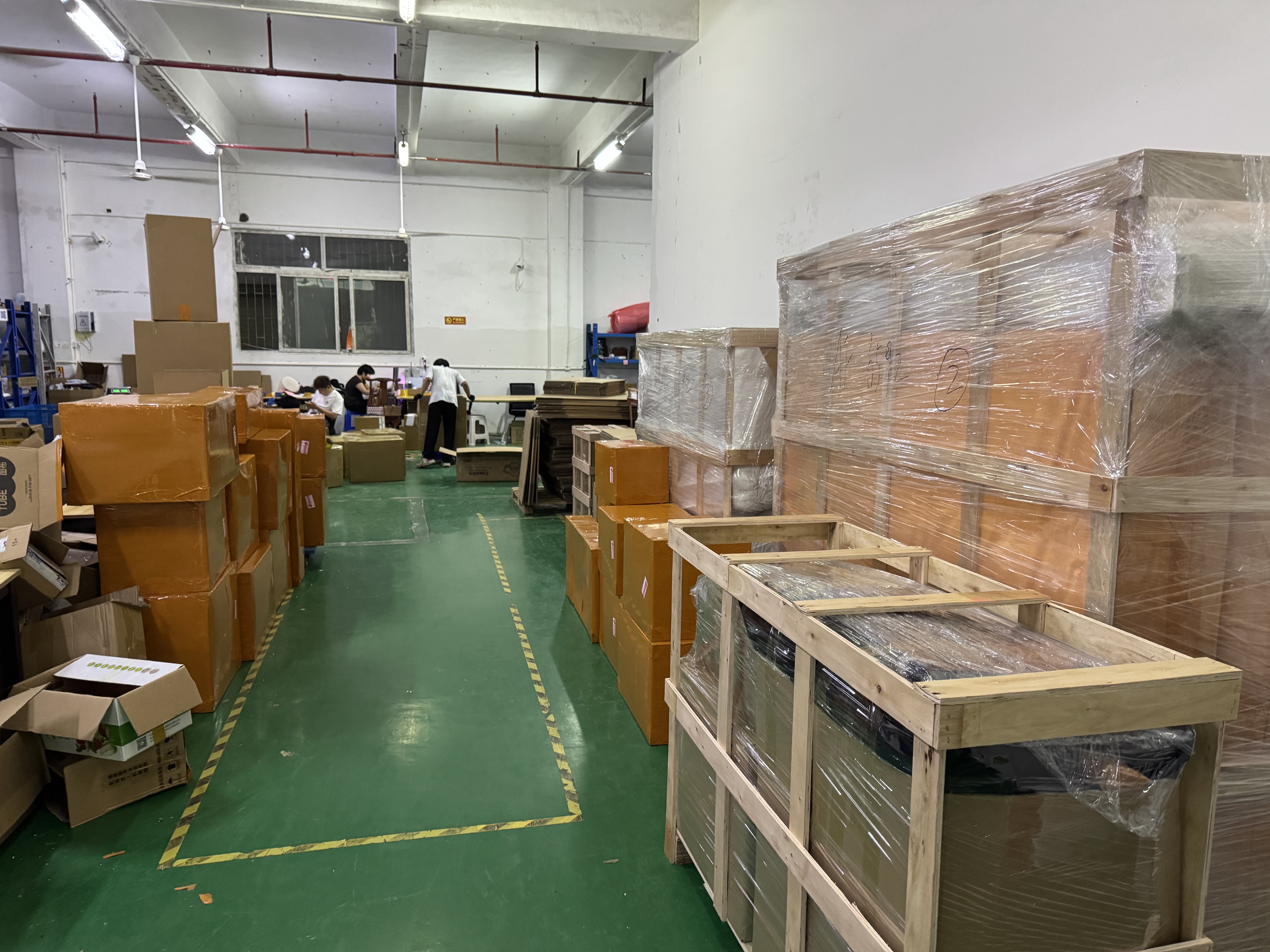
Selecting an unreliable logistics provider can spell disaster for your shipment. Some low - cost providers may cut corners on services, leading to delays, lost packages, or poor customer service. I've had clients who chose cheap providers based on price alone. For example, a trade factory in Sydney hired a small logistics company to ship a large consignment of goods. The company didn't have proper tracking systems, and the goods went missing in transit. After a long and frustrating process, the factory finally recovered some of the losses, but it cost them a lot of time and money. When choosing a logistics provider, look for companies with a good reputation, extensive experience in China - Australia shipments, and a comprehensive service package. For example, Shengda International Logistics specializes in China - Australia cross - border logistics. They have a professional team that can handle all aspects of the shipment, from packaging and documentation to customs clearance and delivery. They also offer a full suite of free value - added services, including package collection, inspection, and repackaging.
5. Ignoring the Shipment Cost Structure
Many business owners focus only on the upfront shipping cost without considering other potential fees. In addition to the basic shipping fee, there may be charges for customs clearance, storage, handling, and insurance. A small e - commerce seller in Melbourne once chose a shipping option based on the lowest initial price. But later, they were shocked to find out that they had to pay a hefty customs clearance fee and a high storage charge due to a delay in customs processing. Before finalizing your shipping arrangement, ask your logistics provider for a detailed breakdown of all costs. Make sure you understand what each fee is for and whether there are any hidden charges. Consider getting insurance for your shipment to protect against potential losses.
III. FAQ
1. How long does it usually take to ship consolidated orders from China to Australia in 2026?
The shipping time can vary depending on the shipping method. For air freight, it generally takes about 7 - 12 days. Sea freight, on the other hand, can take roughly 25 - 35 days for a full container load and around 35 - 45 days for less - than - container - load (LCL). However, these are just estimates, and factors like customs clearance, weather conditions, and shipping routes can cause delays.
2. What kind of documents do I need for customs clearance?
You typically need a commercial invoice, packing list, bill of lading (for sea freight) or air waybill (for air freight), and any necessary certificates for specific goods, such as certificates of origin, quarantine certificates, or product certifications. Your logistics provider can help you prepare these documents accurately.
3. Can I ship sensitive goods like food and cosmetics from China to Australia?
Yes, you can, but you need to use a specialized service. For example, Shengda International Logistics has a compliant sensitive goods shipping service. They have a dedicated compliance declaration channel to ensure that your sensitive goods meet all the necessary regulations, reducing the risk of customs inspection and seizure.
4. How do I track my shipment?
Most reliable logistics providers offer a tracking system. You can use the tracking number provided to check the status of your shipment online. Shengda International Logistics, for instance, has a self - developed intelligent logistics system that provides real - time updates on all shipment nodes. You can easily track your goods from the moment they leave the warehouse in China to when they are delivered to your doorstep in Australia.
5. What should I do if my goods are damaged during transit?
If your goods are damaged, first, take photos of the damaged items and the packaging. Then, contact your logistics provider immediately. Reputable companies like Shengda International Logistics have a formal claims process. They will assess the situation and provide compensation according to their standard policies, ensuring that you are not left bearing the losses.
As you venture into consolidating shopping orders from China to Australia in 2026, keep these tips in mind. By avoiding these common mistakes, you can ensure a smooth and cost - effective shipping experience. Always stay informed, choose your partners wisely, and don't hesitate to seek professional advice when needed. Good luck with your imports!
