

In 2026, the allure of cheap sea freight to Canada is undeniable for many small business owners, importers, and e - commerce sellers. However, this seemingly cost - effective option comes with its fair share of hidden pitfalls. I've been in the business of Sino - Canadian cross - border logistics for years, and I've seen countless clients fall into these traps. Let me share some insights to help you navigate this tricky terrain.
I. Hidden Costs Galore
One of the most common issues I've encountered is the presence of hidden costs in cheap sea freight. Many companies offer a low - ball price upfront, but then surprise you with a flurry of additional charges later on.
1. Terminal Handling Fees
I once had a client, a 3C electronics seller based in Toronto, who was excited about a cheap sea freight deal. The quote seemed unbeatable. But when the shipment arrived at the Port of Vancouver, they were hit with hefty terminal handling fees. These fees, which cover the cost of loading and unloading the cargo at the port, can vary widely from one port to another. In this case, the fees added almost 20% to the initial freight cost.
2. Customs Clearance Fees
Another area where hidden costs can sneak up is customs clearance. Some low - cost carriers may not include proper customs handling in their initial quote. A home goods seller in Montreal found this out the hard way. Their shipment was held up at customs, and they had to pay extra for a customs broker to sort everything out. With the new regulations in 2026, customs procedures have become even more complex, making it crucial to clarify who is responsible for these fees upfront.
II. Poor Service Quality
When you opt for cheap sea freight, you often get what you pay for in terms of service quality.
1. Delays
Delays are a major headache in the world of sea freight. I remember a time when an apparel importer in Calgary booked a cheap shipping service. The carrier promised a transit time of roughly 30 days, but due to overbooked vessels and poor scheduling, the shipment arrived after 45 days. This delay cost the importer a lot of money in terms of lost sales and disappointed customers. In 2026, shipping schedules are more congested than ever, so choosing a reliable carrier is essential.
2. Cargo Damage
Cheap carriers may not have the best equipment or handling procedures in place to protect your cargo. A trade factory in Vancouver that shipped large machinery using a low - cost option found that some of the equipment was damaged upon arrival. The carrier's liability coverage was minimal, and the factory had to bear the brunt of the repair costs.
III. Inadequate Insurance
Not all cheap sea freight options come with proper insurance coverage. This can be a huge risk, especially if your cargo is valuable or fragile.
1. Limited Coverage
I've seen many clients assume that the basic insurance provided by a cheap carrier is sufficient. But in reality, it often only covers a fraction of the cargo's value. For example, a 3C electronics seller shipping high - end smartphones from China to Canada may find that the insurance only covers a 50% of the total value of the shipment. If there is a major incident like a shipwreck or theft, the seller will be left with a significant financial loss.
2. Complicated Claim Procedures
Even if you do have insurance, the claim procedures can be a nightmare with some cheap carriers. A home goods seller in Toronto had to go through a long and drawn - out process to get compensated for damaged goods. The carrier required a mountain of paperwork and multiple inspections, causing unnecessary stress and delays in getting the claim settled.
IV. Incorrect Documentation
In 2026, the Canadian Border Services Agency (CBSA) has tightened its regulations on documentation for sea freight shipments. Incorrect or incomplete documentation can lead to serious problems.
1. HS Code Errors
The Harmonized System (HS) code is used to classify goods for customs purposes. Using the wrong HS code can result in under - or over - paying of duties and taxes. An apparel importer in Montreal once misclassified their products, and when the CBSA discovered the error, they had to pay back - taxes and fines, which added a significant cost to their shipment.
2. Missing Documents
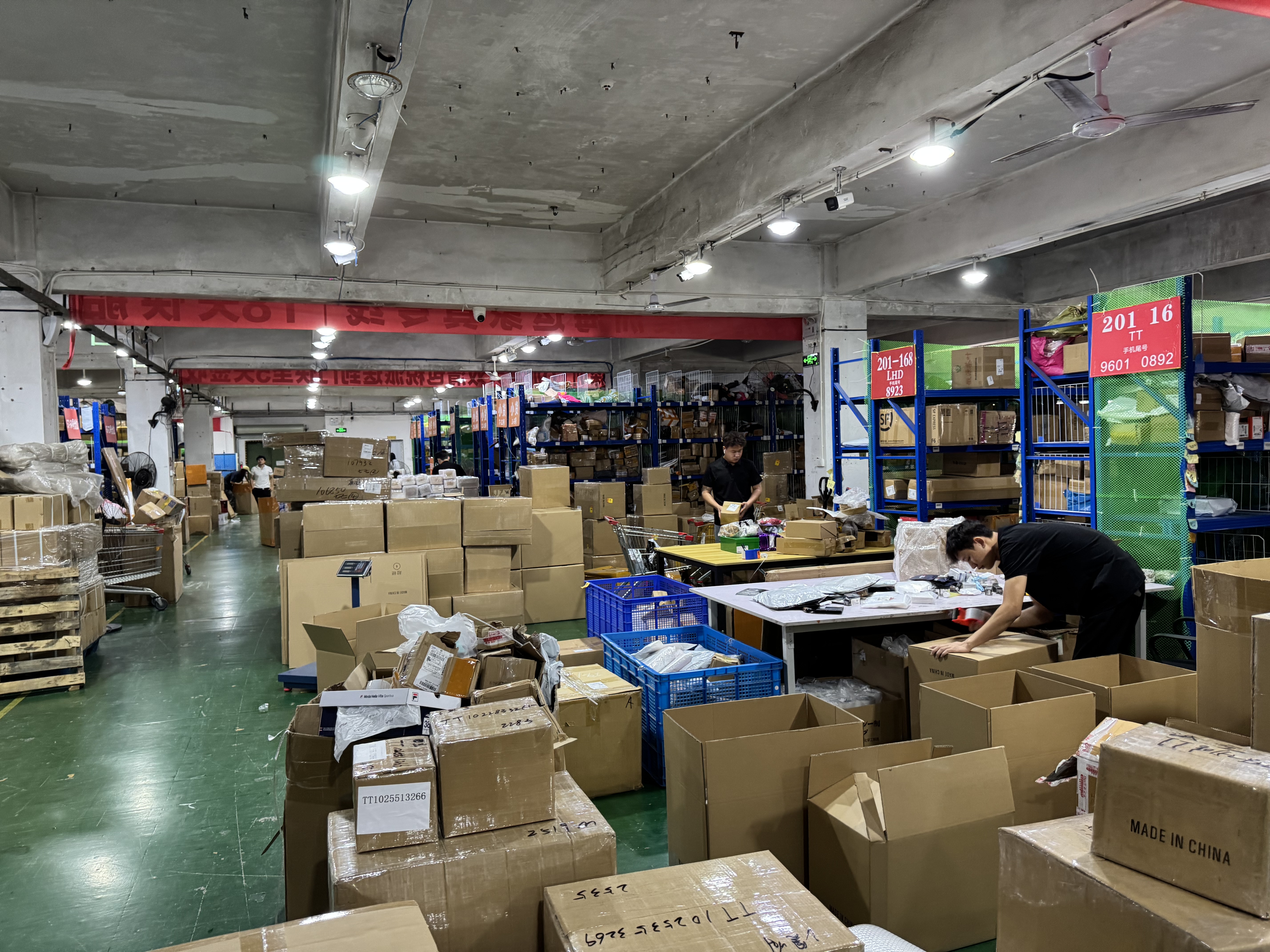
Some cheap carriers may not be as diligent in ensuring that all the necessary documents are in order. I had a client, a trade factory in Vancouver, whose shipment was held up at customs because the packing list was incomplete. Without all the required documents, the CBSA couldn't clear the goods, leading to costly delays.
V. Unreliable Tracking
Tracking your cargo is crucial, especially when it's in transit for weeks. However, many cheap sea freight carriers offer poor tracking services.
1. Lack of Real - Time Updates
A 3C electronics seller in Calgary booked a cheap shipping service and was frustrated to find that the tracking information was rarely updated. They had no idea where their shipment was for most of the journey, which made it difficult to plan for inventory management and customer deliveries.
2. Inaccurate Information
Sometimes, the tracking information provided can be inaccurate. A home goods seller in Toronto received a notification that their shipment had arrived at the Port of Vancouver, but when they went to pick it up, it was still on the ship. This misinformation caused confusion and wasted time.
FAQ
1. How can I identify a cheap sea freight option that doesn't have hidden costs?
Well, it's all about doing your homework. Ask for a detailed breakdown of all the costs upfront, including terminal handling fees, customs clearance fees, and any other potential charges. Compare quotes from different carriers, and don't be afraid to ask questions. A reliable carrier will be transparent about their pricing.
2. What should I do if my cargo is damaged during cheap sea freight?
First, document the damage as soon as possible. Take photos and get a detailed report from the port authorities or warehouse staff. Then, contact your carrier's insurance department and start the claim process. Be prepared to provide all the necessary documents, such as the bill of lading, packing list, and purchase invoice.
3. How can I ensure that my documentation is correct for sea freight to Canada in 2026?
Work with a professional customs broker or a reliable freight forwarder. They have the expertise and knowledge to navigate the new regulations. Make sure to double - check all the information, especially the HS codes, and ensure that all required documents are complete and accurate.
4. Can I trust the tracking information provided by cheap sea freight carriers?
It's a bit of a gamble. Some cheap carriers may provide reliable tracking, but many don't. If tracking is important to you, consider paying a bit more for a carrier that offers real - time, accurate tracking updates. You can also ask other importers or sellers about their experiences with different carriers' tracking services.
5. What's the best way to balance the cost of sea freight with the quality of service?
Look for carriers that offer a good balance. Research their reputation in the industry. You can read online reviews and ask for references from other businesses. Sometimes, a slightly higher - priced carrier may offer better service, which can save you money in the long run by avoiding delays, damage, and other issues.
In the end, while cheap sea freight to Canada in 2026 may seem like a great deal, it's important to be aware of these potential pitfalls. By being informed and taking the necessary precautions, you can make a more educated decision and avoid costly mistakes in your cross - border logistics operations.
