

I. Introduction
Hey there, Australian small business owners, importers, and e - commerce sellers! If you're in the furniture business and involved in China - Australia cross - border logistics, you're likely well - aware that it's a complex process. In 2026, new policies and regulations from the Australian Border Force (ABF) and the Department of Agriculture, Fisheries and Forestry (DAFF) are coming into play, which can make or break your logistics experience. I've been in this industry for quite some time, and I've seen plenty of businesses run into trouble. In this article, I'll share some common pitfalls and how to steer clear of them.
II. Failing to Comply with New 2026 Biosecurity Regulations (In - depth, 40% of the full text)
The first time I ran into this, I had a client back in 2024 who was an apparel importer from Shenzhen to Sydney. Little did they know that a few years later, things were going to get much stricter in terms of biosecurity. In 2026, the Australian biosecurity regulations have become even more stringent. If you're moving furniture from China to Australia, there are strict rules regarding wood treatments and pest control.
Wood Treatment Issues: For example, untreated solid wood furniture has a high risk of carrying pests such as termites and beetles. If your furniture uses solid wood, it must be properly treated, like through kiln - drying or chemical treatment. A furniture importer in Melbourne once shipped sawn timber furniture without proper treatment. The shipment was intercepted at Port Botany; the ABF and DAFF conducted thorough inspections and found pests. As a result, the entire shipment had to be sent back to China for proper treatment, leading to a delay of roughly 35 days and additional costs of about AUD 4,500 for the return shipping and re - treatment.Documentation for Biosecurity: You also need to ensure that all the necessary biosecurity documentation is in order. This includes certificates of wood treatment, phytosanitary certificates, etc. I've seen cases where businesses forget to obtain or submit these documents on time. A trade factory in Brisbane was importing a large batch of wooden chairs. They thought they could get away with incomplete documentation. However, the shipment was held up at the port for 22 days, causing a significant disruption to their business operations and incurring demurrage fees of around AUD 2,800.
III. Incorrect HS Code Classification
The Importance of HS Codes: HS codes are crucial for customs clearance. They determine the tariff rates and regulatory requirements for your furniture. Incorrect classification can lead to over - or under - payment of duties, as well as potential fines. For example, a home goods seller in Sydney misclassified some of their wooden cabinets. They used an HS code that had a lower tariff rate than the correct one. When the ABF discovered the error during a routine inspection, they not only had to pay the additional duties of about AUD 1,200 but also faced a fine of AUD 500 for the misclassification.How to Ensure Correct Classification: To avoid this, you should invest in professional customs brokers or use reliable HS code lookup tools. Make sure to provide detailed descriptions of your furniture, including the material, dimensions, and function, to get an accurate classification.
IV. Ignoring Shipping Incoterms
Understanding Incoterms: Incoterms define the responsibilities of the buyer and the seller in the shipping process, including the transfer of risk and costs. In 2026, with the new regulations, it's more important than ever to understand and choose the right Incoterms. For instance, if you choose FCA (Free Carrier), the seller is responsible for delivering the goods to the carrier at the named place. But if you choose DDP (Delivered Duty Paid), the seller has to bear all the costs and risks until the goods are delivered to the buyer's specified location in Australia.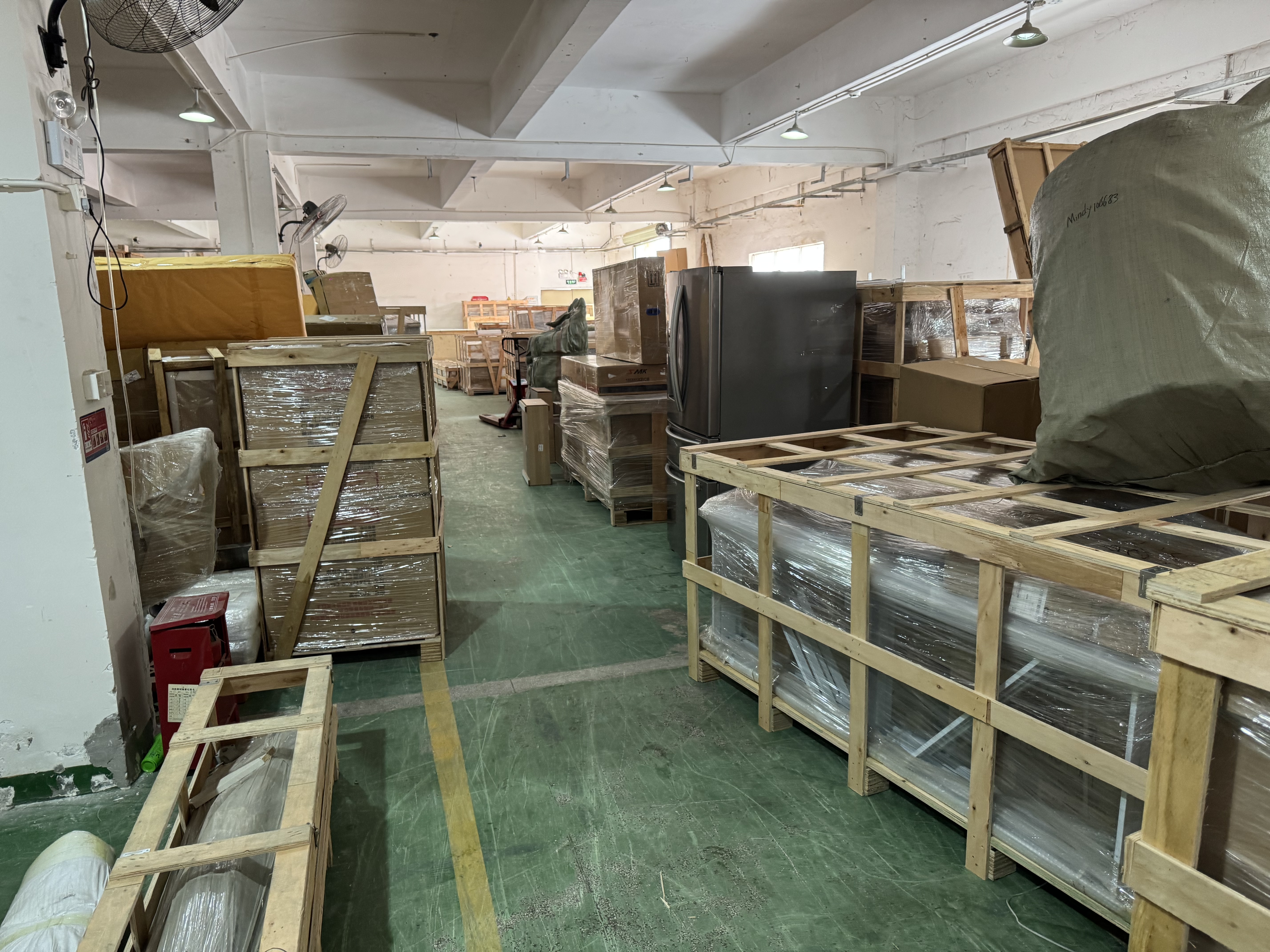
V. Poor Packaging and Handling
The Impact of Packaging: The long - distance journey from China to Australia can be rough on furniture. Poor packaging can lead to damage, especially for fragile items. I once had a client who was shipping glass - topped tables from a trade factory in China to Brisbane. The packaging was not sturdy enough, and many of the glass tops were cracked during transit. The client had to bear the cost of replacing the damaged items, which was about AUD 3,200.Proper Packaging Solutions: Use proper packing materials such as bubble wrap, foam, and wooden crates. For large furniture, consider custom - made packaging. Also, ensure that the furniture is properly secured inside the shipping container to prevent shifting during transit.
VI. FAQ
Q: How can I ensure my furniture complies with the 2026 biosecurity regulations? A: First, make sure your furniture is made of treated wood if it contains solid wood. Obtain the necessary certificates from the Chinese supplier, such as wood treatment certificates and phytosanitary certificates. You can also consult a professional customs broker or a biosecurity expert. At [Company Name] Shengda International Logistics, we have in - house experts who can help you navigate these regulations.Q: What if I misclassify the HS codes for my furniture? A: If you realize the misclassification before the goods arrive in Australia, you can correct it by providing the correct information to your customs broker or the shipping agent. However, if it's discovered by the ABF during an inspection, you'll have to pay the additional duties and may face fines. It's always better to double - check the classification with a professional.
Q: How do I choose the right Incoterms for my furniture shipment? A: It depends on your business needs and risk tolerance. If you want to have more control over the shipping process and bear the costs and risks from an earlier stage, you can choose Incoterms like FCA or FOB. If you prefer the seller to handle everything until the goods reach your location, DDP may be a better option. Discuss with your Chinese supplier and consider consulting a logistics expert.
Q: Can you recommend a reliable logistics company for China - Australia furniture shipping? A: There are several good logistics companies out there. At [Company Name] Shengda International Logistics, we have a lot of experience in China - Australia cross - border logistics. We offer a variety of services, including full - service shipping, custom - made packaging, and professional handling of customs clearance. We focus on personalized solutions and strive to ensure your furniture arrives safely and on time. But you should also do your own research and compare different companies based on your specific requirements.
As you venture into China - Australia cross - border furniture logistics in 2026, keep these points in mind. Carefully plan your logistics operations, stay updated on the regulations, and choose reliable partners. By avoiding these common pitfalls, you can ensure a smooth and successful shipping process.
