

Introduction
Hey there, Australian small business owners, importers, and e - commerce sellers! If you're a permanent resident planning to relocate and ship your belongings to Australia in 2026, there are several crucial things you need to know. I've been in the cross - border logistics business for quite some time, and I've seen a lot of people make mistakes during the relocation shipping process. Let me share some insights to help you avoid those pitfalls.
I. 2026 Policy Updates and Changes
In 2026, there are some notable changes in the Australian customs and biosecurity policies. The Australian Border Force (ABF) and the Department of Agriculture, Fisheries and Forestry (DAFF) have tightened the regulations on incoming goods. For instance, the inspection of wooden items has become more stringent. All wooden products must be properly treated and have a valid phytosanitary certificate. I had a client back in 2024 who shipped a lot of antique wooden furniture without knowing the proper treatment requirements. The furniture was held at the Port of Melbourne for almost two weeks, and he had to pay a hefty fine for non - compliance.
Another important change is related to food and plant products. You can't just ship any food item without proper declaration. Certain food items may be restricted or prohibited due to biosecurity concerns. It's essential to check the DAFF's official website for the updated list of allowable and restricted items before you start packing.
II. Choosing the Right Shipping Method
1. Air Freight
Air freight is a popular choice for those who need their belongings quickly. It's suitable for small, high - value items or items that are time - sensitive. However, it can be quite expensive. For example, if you're shipping a small box of electronics from China to Sydney, air freight might be the best option. The shipping time is usually around 7 - 12 days, but you'll pay around three to five times more than shipping by sea.
2. Sea Freight
Sea freight is more cost - effective for larger volumes of goods. There are two main options: full container load (FCL) and less than container load (LCL). FCL is suitable if you have enough goods to fill an entire container (20GP, 40GP, or 40HQ). It offers more privacy and faster transit times once the container is loaded. On the other hand, LCL is a great option for those with smaller quantities of goods. It involves sharing a container with other shippers, which reduces the cost. However, it may take longer for your goods to be assembled and shipped, and there's a slightly higher risk of damage during the consolidation process.
III. Documentation Requirements
One of the most crucial aspects of relocation shipping is ensuring you have all the necessary documentation.
1. Packing List
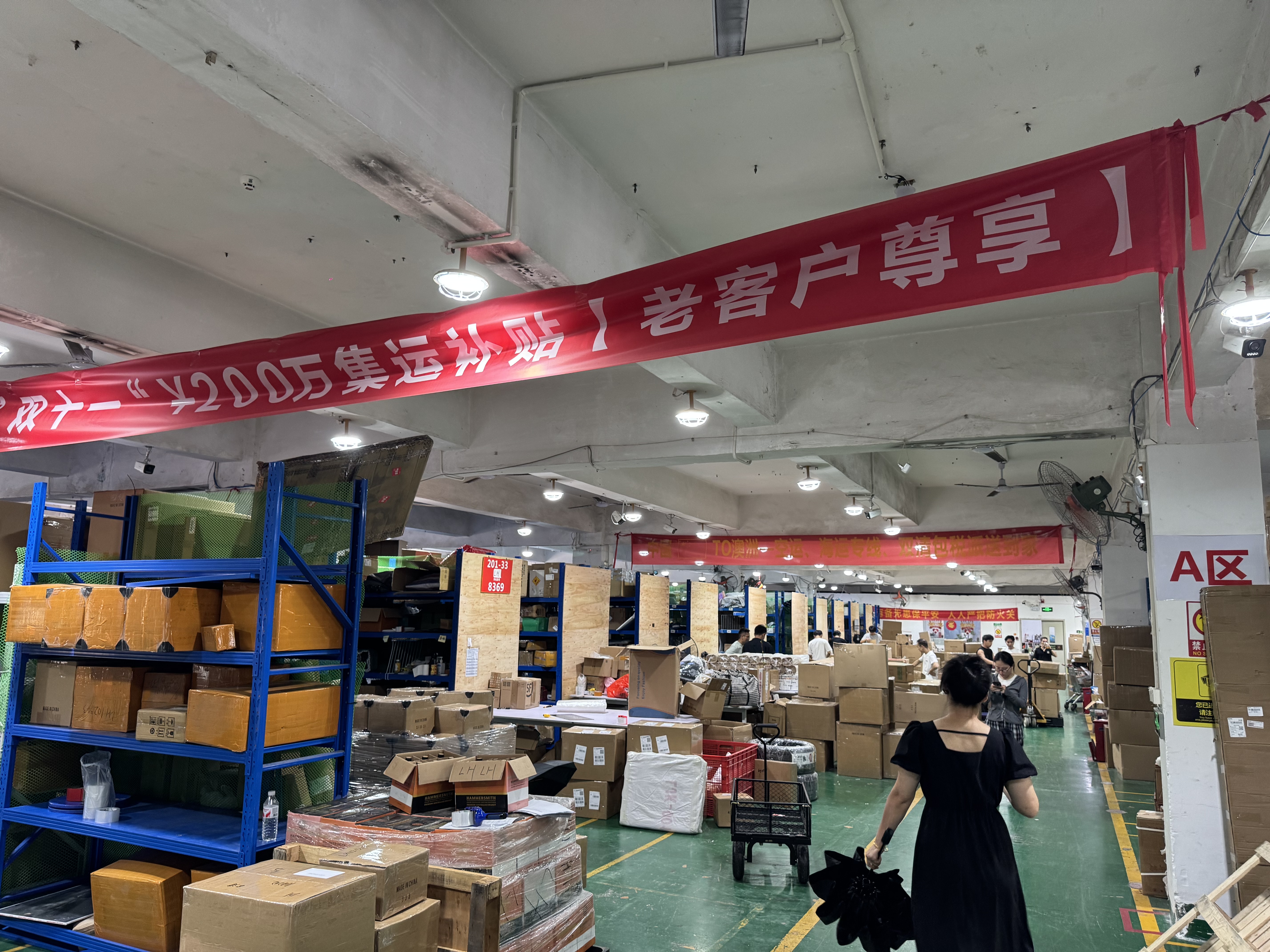
A detailed packing list is essential. It should include a description of each item, its quantity, value, and any applicable serial numbers or product codes. This helps the customs officers to accurately assess the value of your shipment and determine if any duties or taxes are payable.
2. Bill of Lading
The bill of lading is a legal document that serves as a receipt for the goods shipped and a contract of carriage between the shipper and the carrier. It contains details such as the shipper's and consignee's names and addresses, the description of the goods, the port of departure, and the port of arrival.
3. Personal Effects Declaration
As a permanent resident relocating to Australia, you'll need to submit a personal effects declaration. This document explains that the goods you're shipping are your personal belongings and that you're not importing them for commercial purposes. Make sure to fill it out accurately to avoid any issues at customs.
IV. Case Study: A 3C Electronics Seller's Relocation
Let's take a look at a specific case to illustrate some of the points we've discussed. A 3C electronics seller in Shenzhen, China, decided to relocate to Melbourne, Australia, in 2026.
Specific Scenario: The seller had a significant amount of electronic inventory, including smartphones, laptops, and accessories. He also had some personal belongings, such as furniture and clothing.
Problems Encountered: First of all, he underestimated the customs regulations for electronic products. Some of the smartphones contained lithium - ion batteries, which are subject to special safety requirements and packaging guidelines. The shipment was initially held at Port Botany for additional inspection. Secondly, he didn't have a detailed enough packing list for his personal belongings. This led to some confusion at customs, and they asked for more documentation.
Final Outcome: After working closely with a professional logistics provider, the seller was able to resolve the issues. The logistics company helped him repackage the items with lithium - ion batteries according to the regulations and assisted in creating a comprehensive packing list for his personal belongings. Eventually, the shipment was released, and the seller successfully relocated to Melbourne.
V. Key Tips for a Smooth Relocation Shipping Process
Plan Ahead: Start the planning process at least 2 - 3 months before your intended shipping date. This gives you enough time to research shipping options, gather the necessary documentation, and make any required arrangements.Work with a Reputable Logistics Provider: A good logistics company can make a big difference in the shipping process. They have the expertise and experience to handle all the details, from packing to customs clearance. For instance, [盛达国际物流] is a well - known cross - border logistics provider that offers comprehensive services for relocation shipping. They have a team of experts who can help you navigate the complex customs regulations and ensure your shipment arrives safely and on time.
Insure Your Shipment: Accidents can happen during transit. It's a good idea to purchase insurance for your shipment to protect your belongings in case of damage, loss, or theft.
VI. FAQ
Q: Can I ship items that are a few years old? A: Yes, you can. As long as the items are in good condition and you declare them accurately on your packing list, there shouldn't be any issues. Just make sure to note the approximate age and value of the items.Q: How long does it usually take for a sea freight shipment to reach Australia from China? A: It depends on the port of departure and arrival. Generally, it takes roughly 20 - 30 days for a sea freight shipment from China to major Australian ports like Sydney or Melbourne. However, this can be affected by factors such as weather conditions, shipping schedules, and customs clearance.
Q: Do I need to pay duties and taxes on my personal belongings when relocating to Australia? A: In most cases, permanent residents relocating to Australia can bring their personal and household effects duty - free. However, there are some conditions. The goods must have been in your use and possession for at least 12 months before your arrival. Some high - value items may be subject to duties and taxes, so it's best to check with the Australian Border Force in advance.
Q: What if my shipment is held at customs? A: If your shipment is held at customs, don't panic. It's usually because the customs officers need more information or want to conduct further inspections. Contact your logistics provider immediately. They can help you communicate with the customs authorities and provide the necessary documentation to resolve the issue as quickly as possible.
Q: Can I ship plants and flowers when relocating to Australia? A: Shipping plants and flowers to Australia is highly restricted due to biosecurity concerns. Most plants and flowers require a special permit from the Department of Agriculture, Fisheries and Forestry. You'll need to check the specific requirements for the type of plants you want to ship and apply for the permit well in advance.
Relocation shipping to Australia in 2026 can be a complex process, but with the right knowledge and preparation, you can ensure a smooth and stress - free experience. Keep these tips in mind, and don't hesitate to seek professional help when needed.
