

I. Introduction
Hey there, Aussie small business owners, importers, and e - commerce sellers! Moving your home from overseas to Australia in 2026 can seem like a daunting task. I've seen a fair share of issues in my years of working in the cross - border logistics industry. One time, a client was all set to move their entire home to Melbourne. They spent months packing and planning, but a small oversight in the logistics process nearly derailed their move. In this article, I'll share some common pitfalls to avoid to ensure a smooth home - moving experience.
II. Understanding the 2026 Australian Policy Updates
In 2026, there are some significant updates from the Australian Border Force (ABF) and the Department of Agriculture, Fisheries and Forestry (DAFF). The ABF has tightened customs clearance procedures, especially for high - value items. Meanwhile, DAFF has stricter regulations on items that may carry pests or diseases, like wooden furniture and plant - based products.
For instance, if you're moving furniture made of wood, it must be properly treated and certified to meet Australian biosecurity standards. Failure to do so can result in your furniture being held at the port of entry, like Port Botany, for further inspection or even destroyed.
III. Common Mistakes and How to Avoid Them
1. Inadequate Documentation
One of the most common mistakes is not having the right documents in order. You need to provide a detailed inventory of all the items you're moving, including their value, origin, and description. This helps the customs authorities accurately assess duties and taxes.
A few years ago, a homeowner moving to Sydney didn't list all the items in their antique collection. When the shipment arrived at the port, it was held up for weeks because the authorities couldn't verify the full value of the goods. To avoid this, create a comprehensive inventory well in advance and double - check it before sending your shipment.
2. Ignoring Biosecurity Regulations
Australia is very strict about biosecurity. Many items such as fresh food, plants, and some types of soil are prohibited. Even everyday items like used gardening tools need to be thoroughly cleaned to remove any dirt or plant matter.
I had a client who tried to bring in some potted plants without proper permits. The plants were confiscated at the Brisbane port, and the client also faced a hefty fine. So, make sure to research the biosecurity regulations before packing your items and consult a professional if you're unsure.
3. Choosing the Wrong Logistics Provider
Not all logistics providers are created equal. Some may offer low prices but lack the experience or expertise to handle an overseas home move. They may not be familiar with the latest Australian regulations or may have a poor track record of timely deliveries.
A friend of mine used an inexperienced logistics company for their move to the Port of Melbourne. The company lost several boxes of important personal items, and there was no proper compensation process. When choosing a logistics provider, look for one with a good reputation, experience in international home - moving, and positive customer reviews. I'd recommend checking out Shengda International Logistics. They have a team of experts who are well - versed in the regulations for moving to Australia and offer a range of services, including customs clearance and door - to - door delivery.
4. Underestimating the Time and Cost
Moving your home overseas takes time and money. Many homeowners underestimate both the time it takes for the shipment to arrive and the total cost, which includes shipping fees, customs duties, and storage fees if necessary.
I once worked with a family moving to Sydney. They thought their shipment would arrive in two weeks, but due to unforeseen circumstances like bad weather and port congestion, it took over a month. Also, they didn't account for all the potential fees, and it ended up costing them much more than they had budgeted for. To avoid this, get a detailed quote from your logistics provider well in advance and factor in some extra time and money for unexpected situations.
5. Improper Packing
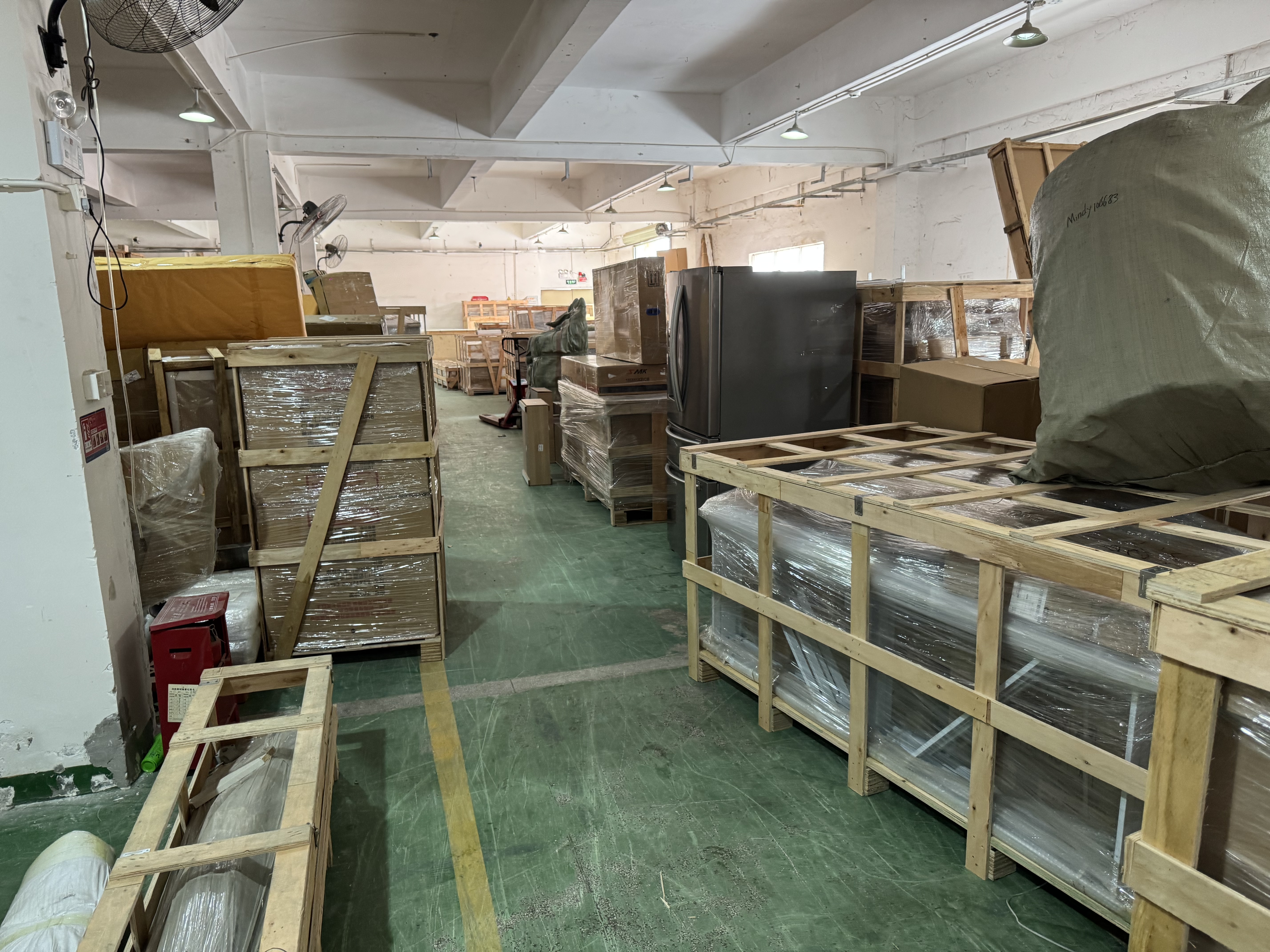
Proper packing is crucial, especially for fragile items. Using the wrong packing materials or not packing items securely can lead to damage during transit.
I remember a client who packed their expensive glassware in flimsy boxes without enough padding. When the shipment arrived in Melbourne, most of the glassware was broken. Make sure to use high - quality packing materials such as bubble wrap, packing peanuts, and sturdy boxes. For valuable or fragile items, consider using professional packing services.
IV. Comparing Logistics Options
There are mainly two options for shipping your home goods to Australia: air freight and sea freight.
| Shipping Method | Advantages | Disadvantages |
|---|---|---|
| Air Freight | Fast delivery, usually within 7 - 12 days. Ideal for urgent items or high - value, small - sized items. | Expensive. Limited in terms of the volume and weight of items you can ship. |
| Sea Freight | Cost - effective for large volumes of goods. Can handle heavy and oversized items. | Slow, with an estimated transit time of 20 - 40 days. There may be delays due to port congestion or bad weather. |
V. FAQ
Q: How can I find out if an item is allowed into Australia? A: You can check the official websites of the Australian Border Force (ABF) and the Department of Agriculture, Fisheries and Forestry (DAFF). They have detailed lists of prohibited and restricted items. You can also consult with your logistics provider, like Shengda International Logistics, who can give you accurate information based on their experience.Q: What should I do if my shipment is held at the port? A: First, don't panic. Contact your logistics provider immediately. They will work with the customs authorities to resolve the issue. Usually, it's a matter of providing additional documentation or paying any outstanding duties or fees.
Q: Can I pack all my belongings in one container? A: It depends on the size of your belongings and the type of container you choose. If you have a large amount of furniture and other household items, a 20GP, 40GP, or 40HQ container may be suitable. However, make sure to distribute the weight evenly and secure the items properly to prevent damage during transit.
Q: How much does it cost to move my home from overseas to Australia? A: The cost varies depending on factors such as the volume and weight of your goods, the shipping method (air or sea), the distance, and the customs duties. It's best to get a quote from a logistics provider. Shengda International Logistics offers a free quote service, where they can assess your specific needs and give you an accurate estimate.
Q: Do I need insurance for my shipment? A: It's highly recommended. Shipping overseas involves many risks, such as damage, loss, or theft. Having insurance can give you peace of mind. Most logistics providers, including Shengda International Logistics, offer insurance options that you can add to your shipment.
In wrapping up, moving your home overseas to Australia in 2026 can be a complex process, but by avoiding these common mistakes and being well - prepared, you can ensure a successful and stress - free move. Do your research, choose the right logistics partner, and follow the regulations. All the best with your move!
