

I. Introduction
Shipping large furniture from China to Canada can be a real headache. I've seen many small business owners, importers, and e - commerce sellers struggle with this task. They often face issues like high costs, damage to the goods, and customs clearance problems. In 2026, with new policies and regulations in place, the situation has become even more complex. I once had a client who shipped a container full of high - end furniture from Shanghai to Vancouver. He thought everything would go smoothly, but ended up dealing with a damaged shipment and unexpected customs fees. In this article, I'll share some practical tips to help you avoid these common pitfalls.
II. Before Shipping: Getting Prepared
Understand the New Policies in 2026 The Canadian Border Services Agency (CBSA) has introduced some new regulations in 2026. For example, there are stricter rules for the inspection of wooden furniture. You need to ensure that your wooden furniture meets the new phytosanitary requirements. This might involve getting proper certificates of fumigation or treatment. If you don't comply, your goods could be held at the port, leading to significant delays and extra costs.Choose the Right Shipping Method When it comes to large furniture, you have two main options: ocean freight and air freight. Ocean freight is generally more cost - effective for large and heavy items. However, it has a longer transit time, usually around 20 - 25 days from Shanghai to Vancouver. Air freight is much faster, with a transit time of about 3 - 5 days, but it's also significantly more expensive. You need to weigh the time and cost factors based on your business needs.
Select a Reliable Freight Forwarder A good freight forwarder can make all the difference. I've worked with many forwarders over the years, and I know how crucial it is to choose one with experience in shipping large furniture from China to Canada. They should be familiar with the new 2026 policies, have good relationships with carriers and customs officials, and offer competitive prices. Some well - known forwarders in the market include [Freight Forwarder A] and [Freight Forwarder B], but make sure to do your own research and get multiple quotes.
III. Packaging: Protecting Your Furniture (40% of the article)
Packaging is one of the most critical aspects of shipping large furniture. I've seen so many cases where furniture arrived damaged because of poor packaging.
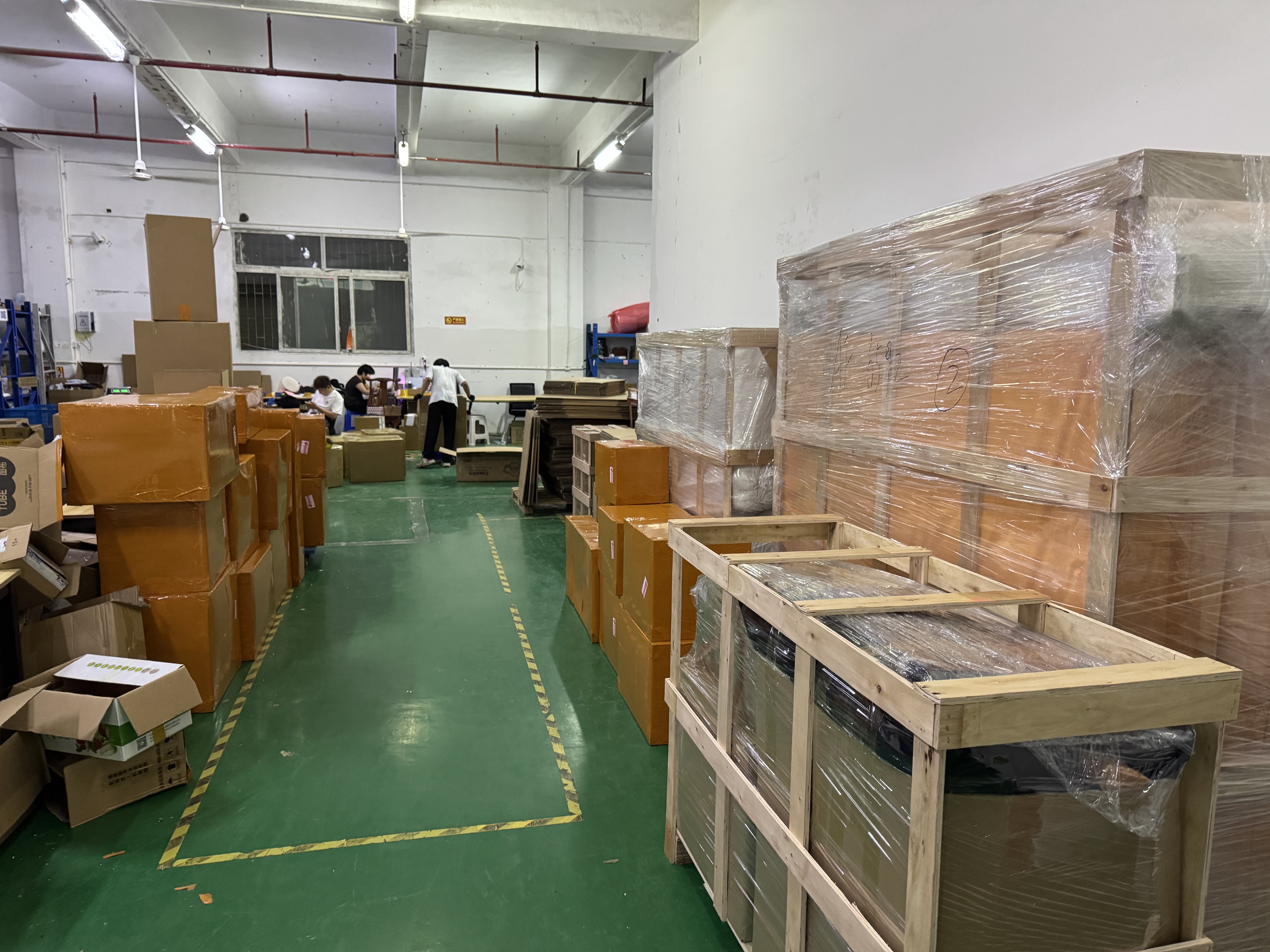
Use Appropriate Materials For large furniture, you should use high - quality materials such as thick cardboard, bubble wrap, and wooden crates. For example, if you're shipping a large sofa, wrap it in multiple layers of bubble wrap to protect it from scratches and dents. Then, place it in a custom - made wooden crate for added protection during transit.Secure the Furniture Properly Inside the crate or packaging, make sure to secure the furniture so it doesn't move around. You can use straps, ropes, or foam inserts to keep the furniture in place. For a large dining table, use straps to hold the tabletop and legs together, and add foam inserts between the parts to prevent them from hitting each other.
Label Clearly Label the packages with clear instructions such as "Fragile", "This Side Up", and the destination address. This will help the handlers at the ports and during transit to handle the goods properly. I once had a client whose furniture was damaged because the labels were not clear, and the handlers didn't know which side was up.
IV. Customs Clearance: Navigating the Process
Prepare Accurate Documentation You need to provide accurate and complete documentation for customs clearance. This includes a commercial invoice, packing list, bill of lading, and any necessary certificates (such as phytosanitary certificates for wooden furniture). Make sure all the information on the documents is consistent and matches the actual goods. Incorrect documentation can lead to delays and even fines.Understand the Valuation Rules The CBSA has specific rules for valuing imported goods. They will determine the customs value based on the price paid or payable for the goods, plus certain adjustments. You need to understand these rules and ensure that your invoice reflects the correct value. Over - or under - valuing your goods can cause problems during customs clearance.
Be Prepared for Inspections There's always a chance that your shipment will be inspected by the CBSA. Be prepared for this by having all the necessary documents and ensuring that your goods comply with the regulations. If your furniture is inspected and found to be non - compliant, it could be seized or you may have to pay additional fees to bring it into compliance.
V. After Shipping: Tracking and Handling Issues
Track Your Shipment Most freight forwarders and carriers offer tracking services. Use these services to keep an eye on your shipment's progress. You'll be able to know where your furniture is at all times and anticipate its arrival. If there are any delays or issues, you can address them promptly.Handle Damages or Delays If your furniture arrives damaged or there are significant delays, contact your freight forwarder and insurance provider immediately. They can help you file a claim and resolve the issue. It's essential to document the damage with photos and keep all relevant communication and documentation.
VI. FAQ
What should I do if my wooden furniture fails the phytosanitary inspection? If your wooden furniture fails the phytosanitary inspection, you'll need to work with your freight forwarder to get the necessary treatments. This might involve re - fumigation or adding the appropriate certificates. It's important to act quickly to avoid long - term storage fees at the port.Can I ship custom - made large furniture from China to Canada? Yes, you can. However, you need to provide detailed specifications and drawings to your freight forwarder and the customs authorities. They will use this information to determine the correct classification and valuation of the goods.
Is it worth it to pay for insurance when shipping large furniture? Absolutely. Shipping large furniture involves a lot of risks, such as damage, loss, or theft. Insurance can provide you with financial protection in case something goes wrong. It's a small cost compared to the potential loss of your valuable furniture.
How can I ensure that my freight forwarder is reliable? You can check their reviews and ratings online, ask for references from other businesses, and see if they have experience in shipping large furniture to Canada. Also, make sure they are properly licensed and have a good track record of handling customs clearance and logistics.
What if there are unexpected customs fees? If you encounter unexpected customs fees, first check your documentation to make sure there are no errors. Then, contact your freight forwarder. They may be able to help you negotiate with the customs authorities or explain the reasons for the fees. Sometimes, the fees may be due to changes in the valuation rules or new regulations.
