

I. Introduction
Shipping house contents to Australia can be a challenging task for small business owners, importers, and e-commerce sellers. If you're not careful, you might face a lot of problems, like delays, high costs, or even having your goods seized. I've been in the cross - border logistics field for years, and I've seen all sorts of issues. Once, I had a client back in 2024 who was an apparel importer in Sydney. He shipped a large batch of clothes without proper documentation, and the goods were stuck at Port Botany for weeks. In 2026, there are new policies and regulations that you need to be aware of. So, let me guide you through the best ways to handle this process.
II. The Impact of 2026 Policies on Shipping House Contents
In 2026, the Australian Border Force (ABF) has tightened its regulations in terms of biosecurity. They're really strict about preventing pests and diseases from entering the country. For example, items made of wood or with soil attachments need to go through strict inspections. Also, the Department of Agriculture, Fisheries and Forestry (DAFF) has updated its rules on food and plant - related products. A small home goods seller in Melbourne once tried to ship handmade wooden furniture without proper treatment. The goods were intercepted, and he had to pay for extra fumigation, which cost him a fortune.
III. Shipping Methods
Air Freight Advantages: Air freight is super fast. If you're shipping high - value, low - volume items like some 3C electronics or high - end clothing accessories, it's a great choice. You can get your goods to Australia in roughly 7 - 12 days. It also has less handling, so the risk of damage is relatively low.Limitations: It's expensive. The cost per kilogram can be 3 - 5 times higher than sea freight. And there are weight and size restrictions. For example, if you're shipping a large piece of furniture, air freight might not be an option.
Sea Freight Full Container Load (FCL) Advantages: If you have a large quantity of house contents to ship, FCL is a good choice. You have the whole container for yourself, so there's less risk of damage from other goods. It also offers better security. And the cost per unit is lower when you're shipping in large volumes.
Limitations: You need to fill the container, or you'll be paying for the empty space. It also takes longer, usually around 20 - 30 days from China to major Australian ports like Port of Melbourne.
Less than Container Load (LCL) Advantages: Ideal for small business owners or importers who don't have enough goods to fill a container. You only pay for the space you use, which can save costs.
Limitations: The goods are shared with other shippers, so there's a higher risk of damage or misplacement. The transit time can also be a bit longer due to the consolidation process.
IV. Documentation Requirements
Commercial Invoice: This document shows the value of the goods, the description, and the terms of sale. Make sure all the information is accurate, as it's used for customs valuation.Bill of Lading: It's a contract between the shipper and the carrier. It shows that the goods have been received on board and details the shipping terms.
Packing List: This lists all the items in the shipment, including their quantity, weight, and dimensions. It helps customs officers to check the goods easily.
Certificate of Origin: This certifies where the goods are from. It can be important for determining tariffs and trade preferences. For example, if you're shipping from a country with a free - trade agreement with Australia, you might get lower tariffs.
V. Key Steps in the Shipping Process
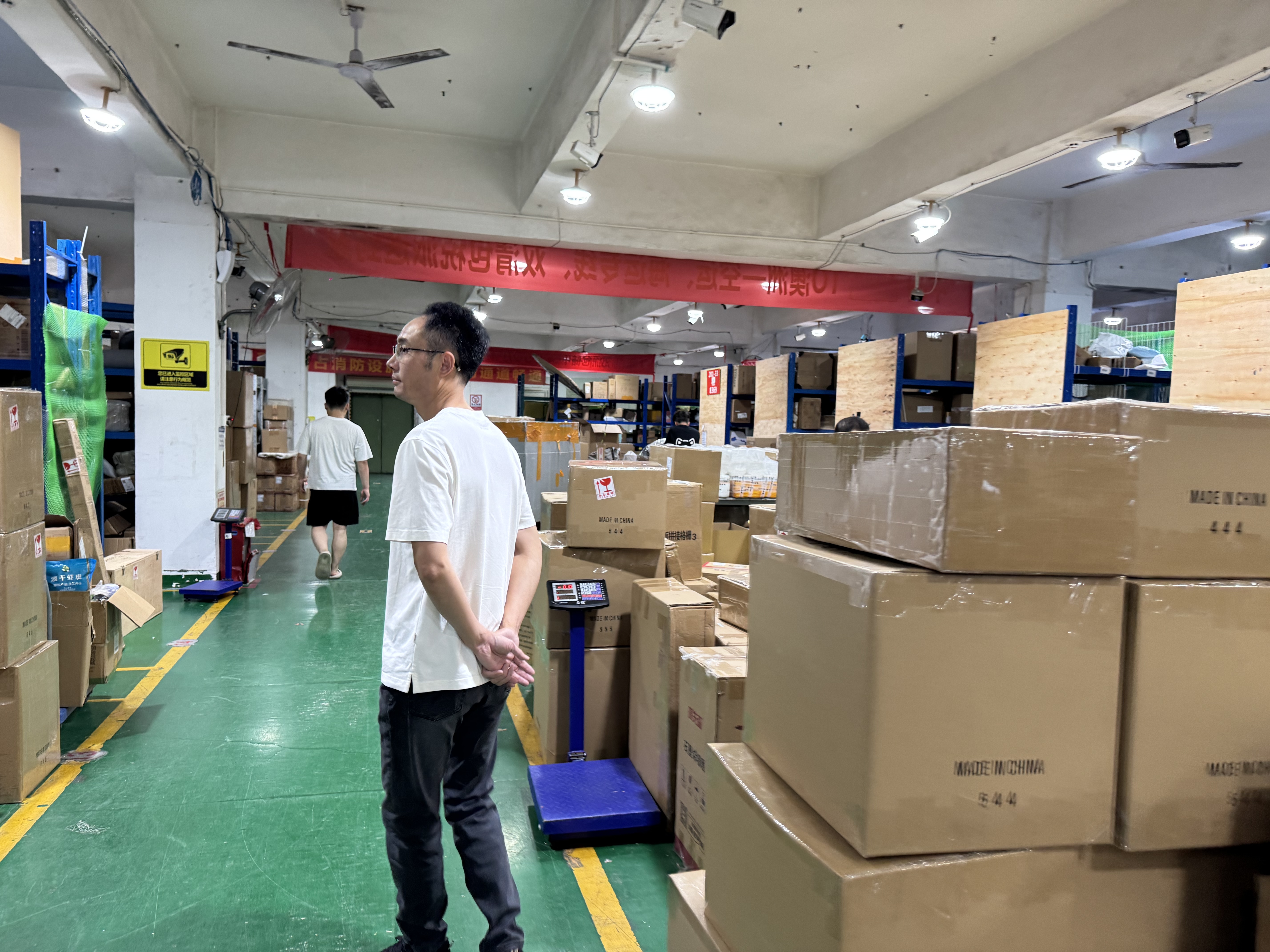
Packing: Use high - quality packing materials. For fragile items, add extra cushioning. Label each box clearly with the contents and the destination address. I remember once a client shipped a lot of glassware without proper packing, and most of it was broken when it arrived in Brisbane.Booking: Book your shipping space in advance, especially during peak seasons. This ensures that you have a spot on the ship or plane.
Customs Clearance: Prepare all the necessary documents and submit them accurately. You can also hire a customs broker to help you with this process. They have more experience and can handle any issues that might come up.
Delivery: Once the goods arrive at the Australian port, they'll be delivered to your specified address. Make sure someone is available to receive them and check for any damages.
VI. FAQ
What if my goods are held up at customs? Well, it could be due to various reasons, like incorrect documentation or a random inspection. You should first contact your customs broker or the shipping agent. They can help you find out what the problem is and work on a solution. Sometimes, you might need to provide additional information or pay some fees.Can I ship food items to Australia? Yes, but you need to follow the strict biosecurity rules. Some food items might be restricted or even prohibited. You should check the DAFF website for a list of allowed and restricted items. And make sure to declare all food items accurately on your customs documents.
Is it worth using a shipping agent? I'd say it usually is. A good shipping agent has a lot of experience in dealing with cross - border logistics. They can help you with booking, customs clearance, and dealing with any issues that come up. They can also save you time and money in the long run.
What's the difference between DDP and FOB in shipping? DDP (Delivered Duty Paid) means the seller is responsible for all the costs, including transportation, customs duties, and delivery to the buyer's address. FOB (Free on Board) means the seller is only responsible for getting the goods on board the ship at the origin port. After that, the buyer takes over the responsibility for transportation, insurance, and customs clearance.
How can I ensure the safety of my goods during shipping? Proper packing is crucial. Use strong boxes, add cushioning for fragile items, and label them clearly. Also, choose a reliable shipping method and carrier. You can also consider getting insurance for your goods to protect against any potential losses.
In 2026, shipping house contents to Australia requires careful planning and understanding of the new policies. By following these tips and being well - prepared, you can make the process much smoother.
