

I. Introduction
Moving overseas to Canada in 2026? It's an exciting yet daunting task. I've seen countless clients encounter issues during their cross - border moves. One of my clients back in 2024, a home goods seller named Mr. Smith, was planning to relocate his business to Vancouver. He thought it would be a smooth process, but little did he know the challenges that awaited him. In this article, I'll share some common pitfalls to avoid based on my first - hand experience in the cross - border logistics industry.
II. Ignoring New Policies in 2026
1. Customs and Immigration Policies
The Canadian Border Services Agency (CBSA) has introduced some new regulations in 2026. For instance, the documentation requirements for importing personal and business goods have become more stringent. I had a client who was an apparel importer. He didn't realize that he needed to provide a detailed breakdown of the materials used in his clothing items. As a result, his shipment was held at the Port of Vancouver for roughly 14 days. To avoid this, make sure you thoroughly research and understand the new customs policies. You can visit the official CBSA website for the latest information.
2. Food and Plant Quarantine
The Canadian Food Inspection Agency (CFIA) has also updated its rules. If you're bringing food items or plants, you need to be extra careful. In one case, a client moving from Toronto to Vancouver brought some fresh fruits without proper permits. The CFIA confiscated the fruits and fined the client. So, before you pack any food or plants, check the CFIA's guidelines to ensure compliance.
III. Inadequate Packaging
1. Specially for Fragile Items
When I first ran into this problem, a client who was a 3C electronics seller was relocating to Montreal. He packed some expensive laptops and tablets without proper cushioning. During transit, several of them got damaged. Always use shock - absorbing materials like bubble wrap and foam inserts for fragile items. For larger electronic devices, use custom - made boxes.
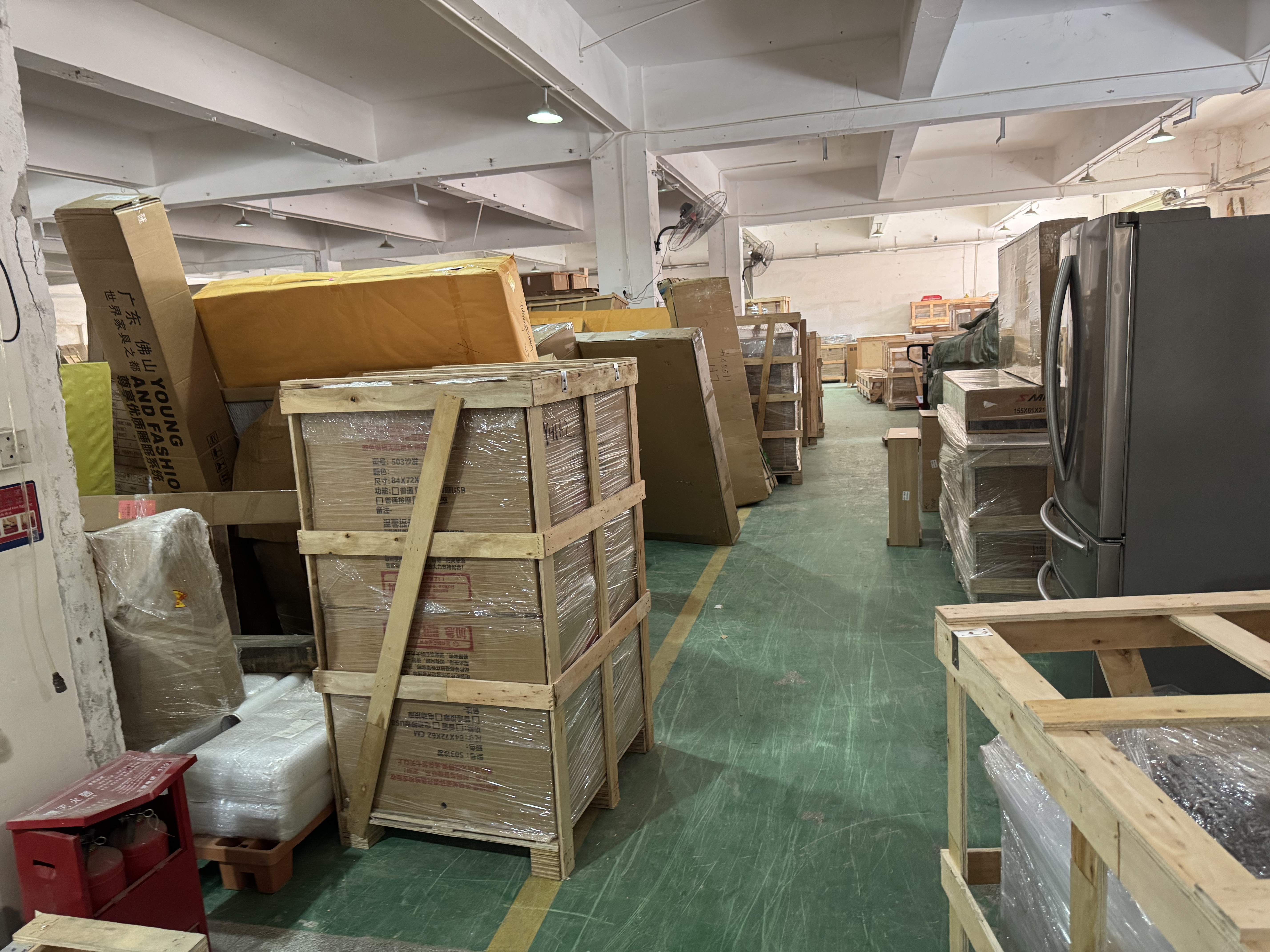
2. Ensuring Consistent Protection for All Goods
Even non - fragile items like furniture need proper packaging. I've seen cases where wooden furniture got scratched and dented because it wasn't wrapped properly. Use moving blankets and plastic wrap to protect your furniture. And for items with sharp edges, cover them with padding to prevent damage to other goods in the shipment.
IV. Choosing the Wrong Logistics Provider
1. Lack of Experience in Cross - Border Moves
Many small - scale logistics companies claim to offer cross - border services but lack the necessary experience. I once had a client who chose a cheap, inexperienced provider for his trade factory equipment relocation to Calgary. The provider didn't know how to handle the complex customs procedures, and the shipment was delayed for over 20 days. Look for a logistics company with a proven track record in cross - border moves to Canada.
2. Incomplete Service Offerings
Some logistics providers may not offer a full - service solution, such as door - to - door delivery or customs clearance. This can lead to a lot of hassle for you. For example, if your provider only offers port - to - port service, you'll have to arrange for local transportation and customs clearance on your own. Make sure the provider you choose can offer all the services you need, like what [盛达国际物流] does, providing comprehensive services including customs clearance, transportation, and delivery.
V. Poor Inventory Management
1. Not Creating a Detailed Inventory List
A detailed inventory list is crucial for a smooth relocation. I had a client who didn't create a proper inventory when moving his home goods to Toronto. When the shipment arrived, he found that several items were missing, but he couldn't prove it without a proper list. Create an inventory list that includes descriptions, quantities, and values of all your items.
2. Failing to Label Boxes Clearly
Labeling boxes clearly can save you a lot of time and effort when unpacking. I once saw a move where all the boxes were labeled with just generic terms like "clothes" or "books." It took the client hours to find the specific items they needed. Label each box with its contents and the room it should go in.
VI. FAQ
Q: What if I miss some of the new 2026 regulations? A: If you miss some regulations, your shipment may be held at the border, and you may face fines. It's crucial to double - check the official websites of CBSA and CFIA regularly. If you're unsure about something, you can also consult a professional customs broker or a reliable logistics company like [盛达国际物流], which has a team of experts to help you navigate through the new regulations.Q: How do I choose a reliable logistics provider? A: Look for a company with experience in cross - border moves to Canada. Check their reviews and ask for referrals. Also, ensure they offer full - service solutions, including customs clearance and delivery. [盛达国际物流] is a great option as it has over 40 full - time experts with more than 10 years of experience in the industry and offers comprehensive services.
Q: What should I do if my items get damaged during transit? A: If your items get damaged, first, check if your logistics provider has a proper insurance and claims process. [盛达国际物流] has a standard compensation mechanism for damaged or lost items due to operational errors. Make sure to document the damage with photos and keep all the relevant receipts and documents.
Q: Can I bring all my personal belongings to Canada without any restrictions? A: No, there are restrictions on certain items. As mentioned earlier, new food and plant quarantine policies apply in 2026. There are also restrictions on some types of weapons, drugs, and counterfeit goods. Always check the official regulations before packing your personal belongings.
Q: How long does it usually take for a cross - border shipment to reach Canada? A: The shipping time can vary depending on the shipping method and the origin. For air freight, it usually takes about 7 - 12 days. For sea freight, it can take anywhere from 25 - 45 days. However, these are just estimates, and factors like customs clearance and weather conditions can affect the actual delivery time.
In conclusion, a successful overseas relocation to Canada in 2026 requires careful planning and attention to detail. By avoiding these common pitfalls, you can have a smoother and stress - free moving experience. Remember to stay informed, choose the right partners, and take the time to prepare your items properly.
