

I. Introduction
In 2026, if you're a small business owner, importer, or e - commerce seller in Canada, you're likely aware of the challenges and opportunities in door - to - door DDP (Delivered Duty Paid) shipping from China. I've seen firsthand the struggles many face, from unexpected costs to long delivery times. Let me share some real - world experiences and strategies to make your shipping process smoother.
II. Understanding the Basics of Door - to - Door DDP Shipping
What is DDP? DDP means the seller is responsible for all costs and risks until the goods are delivered to the buyer's specified location in Canada. This includes transportation, insurance, customs clearance, and duties. It's a convenient option for Canadian importers as it simplifies the process. For example, I had a client in Vancouver who was a 3C electronics seller. He used DDP shipping and didn't have to worry about the complex customs procedures and duties, which saved him a lot of time and energy.The Significance in the 2026 Market In 2026, new policies from the Canadian Border Services Agency (CBSA) have made DDP shipping even more important. The new regulations aim to streamline customs clearance and ensure accurate duty collection. This means that using DDP services can help you better comply with these new rules and avoid potential fines.
III. Key Factors in Choosing a DDP Shipping Provider (Deep - Dive Section, 40% of the text)
Experience and Reputation First and foremost, look for a shipping provider with extensive experience in China - Canada DDP shipping. A company that has been in the game for a while is more likely to have dealt with various issues and developed effective solutions. For example, the first time I worked with a new client, an apparel importer in Toronto, we chose a well - established shipping provider. This provider had a proven track record of handling large - scale shipments across the border. The outcome was a seamless delivery process with no delays or customs problems.Check online reviews and ask for references from other businesses. A shipping provider with a good reputation is more likely to offer reliable services. I once recommended a provider to a home goods seller in Calgary based on positive reviews. However, the initial shipment faced some minor issues due to a miscommunication. But the seller was able to resolve the problems quickly through the support provided by the shipping company, which showed that their customer service was responsive.
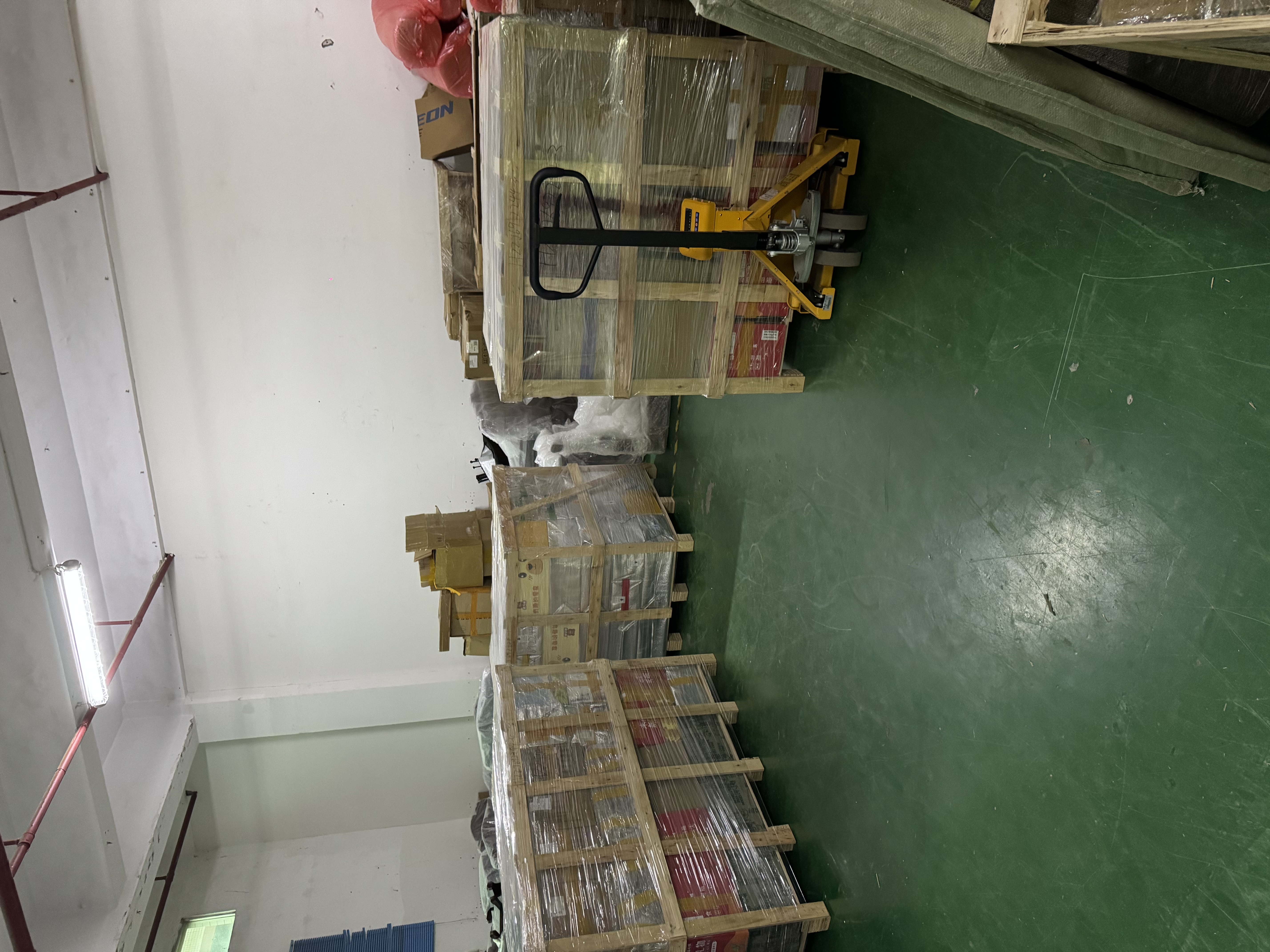
The provider should also be able to accurately classify your goods using the correct HS codes. Incorrect classification can lead to over - or under - payment of duties and delays. For example, a trade factory in Vancouver was shipping industrial equipment. The shipping provider misclassified the goods, which led to a customs hold until the correct classification was determined. This cost the factory both time and money.
Transportation Options Consider the transportation modes available. Air freight is faster but more expensive, while sea freight is more cost - effective for large - volume shipments. Some providers may also offer a combination of both. For instance, a small 3C electronics seller in Toronto needed to restock quickly. We chose a shipping provider that offered air - sea combined shipping. They first used air freight to get a small batch of the latest products to the market quickly, and then followed up with sea freight for the bulk order. This strategy helped the seller meet the market demand while keeping costs under control.
Also, pay attention to the shipping routes. Some routes may be more direct or have fewer transfer points, which can reduce the risk of damage or loss. A home goods seller in Calgary once used a shipping provider that had a well - established sea - route through the Port of Vancouver. This route had fewer stops, and the goods arrived in better condition compared to previous shipments on other routes.
Cost and Pricing Transparency Get detailed quotes from different providers. The quote should include all costs, such as transportation, customs duties, taxes, and any handling fees. A provider that offers transparent pricing is more trustworthy. I remember a client, an apparel importer in Montreal, who was initially attracted by a very low - cost quote. However, during the shipping process, there were many hidden fees, which significantly increased the overall cost. In contrast, another client used a provider like Shengda International Logistics, which offers an all - inclusive pricing model. There were no hidden charges, and the client could accurately budget for the shipping.
IV. Hidden Pitfalls and How to Avoid Them
Over - Dependence on a Single Provider Relying too much on one shipping provider can be risky. If there are problems with that provider, such as labor strikes or financial issues, your shipments may be affected. I once had a client in Vancouver who used only one shipping provider for all their shipments. When that provider faced a labor strike, the client's orders were severely delayed, which led to a loss of business. It's advisable to have a backup provider in case of emergencies.Not Communicating Your Needs Clearly Communication is key in DDP shipping. You need to clearly communicate your requirements, such as delivery time, special handling instructions, and product specifications to the shipping provider. For example, a 3C electronics seller in Toronto ordered a large quantity of fragile products. He didn't communicate the fragile nature of the goods clearly to the provider, and many items were damaged during transit.
Ignoring Insurance Options Even with the best shipping providers, there is still a risk of loss or damage to your goods. Make sure to consider insurance options. A trade factory in Calgary shipped a large order of machinery and didn't purchase insurance. Unfortunately, some of the machinery was damaged during transit, and the factory had to bear the full cost of replacement.
V. Future Trends in China - Canada Door - to - Door DDP Shipping
Technological Advancements In 2026, technology is playing an increasingly important role in DDP shipping. Many shipping providers are using advanced software to track shipments in real - time, which provides more transparency for importers. For example, Shengda International Logistics has a self - developed intelligent shipping system that allows customers to track their parcels from warehousing to delivery.Sustainable Shipping Initiatives There is a growing trend towards sustainable shipping in the industry. Canadian consumers are becoming more environmentally conscious, and businesses are starting to choose shipping providers that offer green shipping options. Some providers are using more fuel - efficient vessels or offsetting carbon emissions to meet this demand.
E - commerce Integration As e - commerce continues to grow, shipping providers are integrating more closely with e - commerce platforms. This allows for a more seamless experience for Canadian e - commerce sellers. For example, some providers offer direct integration with popular e - commerce platforms, which simplifies the order processing and shipping tracking.
VI. FAQ
What's the average delivery time for door - to - door DDP shipping from China to Canada in 2026? It depends on the transportation mode. Air freight usually takes about 7 - 12 days, while sea freight can take anywhere from 18 - 35 days, depending on the shipping route and port congestion.How can I ensure that my goods are correctly classified for customs purposes? Work with a shipping provider that has experienced customs experts. They can help you determine the correct HS codes for your goods based on their characteristics, functions, and materials.
Is it necessary to choose a shipping provider with a local presence in Canada? It's highly recommended. A provider with a local team in Canada can better handle customs clearance, local delivery, and any issues that may arise during the shipping process. For example, Shengda International Logistics has a local team that can quickly respond to any Canadian importer's needs.
What if my goods are held up at customs? A good shipping provider will be able to work with customs authorities to resolve the issue. They can provide the necessary documentation and clarify any questions that customs may have. In most cases, if the goods are properly declared and comply with regulations, the hold - up is usually temporary.
Can I track my shipment in real - time with DDP shipping? Many shipping providers, especially those that leverage technology, offer real - time tracking. You can usually track your shipment through the provider's website or mobile app, which will show you the status of the shipment at each stage, from departure in China to arrival in Canada.
