

I. Introduction
In 2026, the cross - border shipping industry from China to Canada has witnessed significant policy changes and market fluctuations. As a front - line practitioner in cross - border logistics, I've seen many Canadian small business owners, importers, and e - commerce sellers fall into various traps during merchandise consolidation shipping. Let me share some insights to help you avoid these pitfalls.
II. Common Pitfalls and Solutions
1. Hidden Charges
Problem Consequence: I once had a client, an apparel importer from Vancouver, who chose a seemingly cheap shipping service. However, when the goods arrived in Canada, he was hit with a series of hidden charges, such as handling fees, storage fees, and unexpected customs clearance fees. This significantly increased his shipping costs and cut into his profit margins.Solution: Before signing a contract with a logistics provider, ask for a detailed breakdown of all possible fees. Reputable companies like Shengda International Logistics offer a transparent pricing model, clearly listing all costs including freight, customs duties, and delivery fees upfront.
2. Customs Clearance Issues
Problem Consequence: Due to the updated 2026 customs regulations in Canada, a 3C electronics seller in Toronto faced a major setback. Their products were held at the Port of Vancouver because of incorrect HS code classification. This led to long - term storage fees and a delay in product delivery to customers.Solution: Ensure that you accurately classify your goods according to the HS codes. Logistics providers with in - depth knowledge of Canadian customs policies, like Shengda International Logistics, can help you with proper classification and documentation. They also have dedicated teams for customs clearance, which can significantly reduce the risk of delays.
3. Shipping Delays
Problem Consequence: A home goods seller in Montreal booked a shipping service without considering the peak shipping season. The goods were stuck in transit for weeks, causing a shortage of inventory in their store. This not only affected their sales but also damaged their reputation among customers.Solution: Plan your shipments in advance, especially during peak seasons. Check the shipping schedules and choose a logistics provider with a reliable track record for on - time delivery. Shengda International Logistics has its own shipping routes and schedules, which are optimized to minimize delays.
4. Packaging and Handling
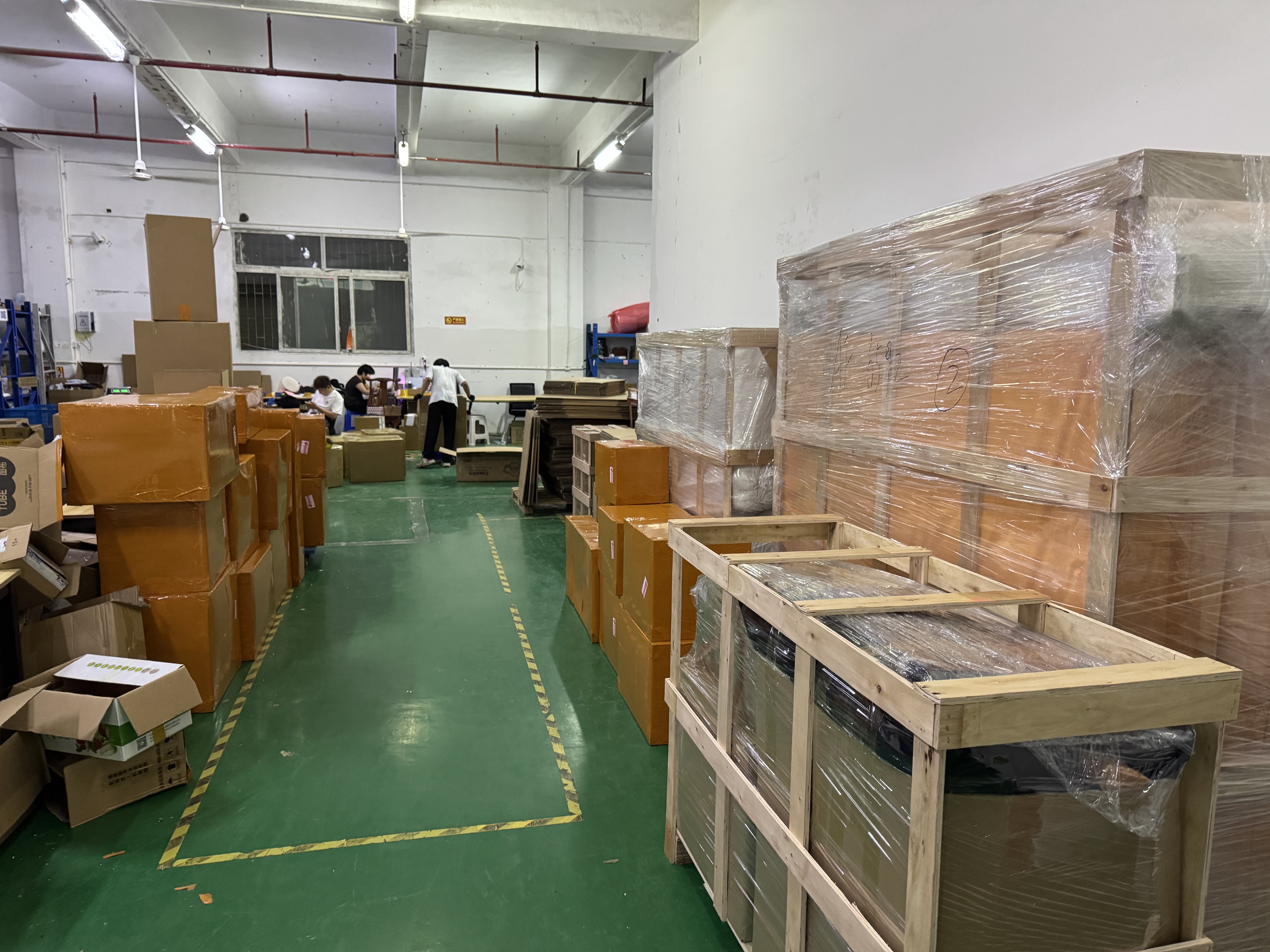
Problem Consequence: An importer of fragile glassware from Calgary found that a large number of products were damaged upon arrival. The original packaging provided by the supplier was not suitable for long - distance shipping, and the logistics provider did not offer proper protection during handling.Solution: Work with your supplier to ensure proper packaging. Additionally, choose a logistics provider that offers value - added packaging services. Shengda International Logistics provides services like wooden frame reinforcement and multi - layer shock - proof protection for fragile items.
III. Best Practices for Merchandise Consolidation Shipping
1. Choose the Right Logistics Provider
Select a logistics company with experience in cross - border shipping to Canada. Look for companies that have a good understanding of Canadian customs regulations, offer transparent pricing, and have a reliable shipping network. Shengda International Logistics, with its 40 - member professional team with over 10 years of experience in international shipping, is a great option. They focus on specific cross - border routes, including the China - Canada route, and have a deep understanding of local policies.
2. Prepare Accurate Documentation
Ensure that all shipping documents, such as commercial invoices, packing lists, and certificates of origin, are accurate and complete. Incorrect or incomplete documentation can lead to customs clearance delays and additional fees.
3. Track Your Shipments
Use the logistics provider's tracking system to monitor the progress of your shipments. This allows you to stay informed about the location of your goods and anticipate any potential issues. Shengda International Logistics has a self - developed intelligent shipping system that provides real - time updates on the status of your shipments.
IV. FAQ
Q: How do I know if a logistics provider is reliable? A: Look for companies with proper business licenses and a good market reputation. Check if they have experience in shipping to Canada and can provide references from other clients. Also, a reliable provider will offer transparent pricing and a clear shipping process. For example, Shengda International Logistics is a legitimate company with a long - standing reputation in the cross - border shipping industry. They have a large number of satisfied customers and provide comprehensive services with clear fee breakdowns.
Q: What should I do if my goods are held at customs? A: First, contact your logistics provider immediately. They have experience dealing with customs issues and can help you resolve them. Provide all necessary documentation accurately and cooperate with the customs authorities. For example, if the issue is due to incorrect HS code classification, the logistics provider can assist you in re - classifying the goods correctly.
Q: Can I ship sensitive goods to Canada through merchandise consolidation? A: It depends on the type of sensitive goods. Some logistics providers, like Shengda International Logistics, have special compliance channels for shipping sensitive goods such as food, cosmetics, and charged products. However, you need to ensure that the goods meet all Canadian import regulations and provide the necessary certificates.
Q: How can I reduce shipping costs? A: One way is to choose the right shipping method according to the nature and quantity of your goods. For small and light items, air freight may be more suitable, while for large - quantity and heavy goods, sea freight is usually more cost - effective. Also, consolidating your shipments can help share the shipping costs. Additionally, work with a logistics provider that offers a cost - effective pricing model, like Shengda International Logistics, which uses a cubic - based pricing model for large items, reducing the overall cost.
Q: What happens if my goods are damaged during shipping? A: A reliable logistics provider should have a proper compensation mechanism. For example, Shengda International Logistics has a standardized compensation policy for damaged or lost goods. They will assess the damage and provide compensation according to the agreed - upon terms. Make sure to document the damage upon receipt of the goods and report it to the logistics provider as soon as possible.
By being aware of these common pitfalls and following the best practices, you can have a smooth and cost - effective merchandise consolidation shipping experience to Canada in 2026. Always stay updated on the latest policies and regulations to ensure compliance and avoid unnecessary hassles.
