

I. Introduction
Hey there, Canadian small business owners, importers, and e - commerce sellers! I've been in the cross - border logistics game, specifically dealing with China - Canada shipping, for quite some time. I've seen firsthand how easy it is to fall into hidden traps in ocean freight. In 2026, new policies and market dynamics have made the situation even more complex. So, let's dive right in and explore what pitfalls you should avoid.
In 2026, the Canadian Border Services Agency (CBSA) and other relevant authorities have introduced a series of regulatory updates. These changes aim to strengthen border security and ensure the proper collection of duties and taxes. For small businesses, keeping up with these changes is crucial to avoid costly mistakes.
II. Incorrect Customs Valuation
The Common Pitfall Determining the correct customs value is a tricky business. Many small businesses rely on incomplete or inaccurate information. For example, they might only consider the purchase price of the goods without including other costs such as shipping fees, insurance, and handling charges. This can lead to under - or over - valuation. In 2026, the CBSA has tightened its scrutiny of customs valuation, and incorrect declarations can result in significant fines. I remember a client back in 2026 who imported home goods from a trade factory in China. They declared the value of their shipment based on the factory's invoice alone, ignoring the freight costs and insurance. When the goods arrived at the Port of Vancouver, the CBSA conducted a detailed inspection and found the valuation to be incorrect. The client had to pay a hefty fine and additional duties.The Solution Understand the rules of customs valuation. According to the World Trade Organization (WTO) and Canadian regulations, the customs value should include the cost of the goods, freight, insurance, and certain handling charges. Before shipping, consult with your freight forwarder or a customs broker. They have the expertise to calculate the correct customs value and ensure accurate declarations.
III. Inadequate Documentation
Problems Caused by Poor Documentation Documentation is the backbone of cross - border shipping. In 2026, the requirements for shipping documents have become more stringent, especially with the implementation of eManifest systems. Missing or inaccurate documents can lead to delays at the port, additional storage fees, and even cargo confiscation. A 3C electronics seller I worked with had a shipment held up at the Port of Montreal. They had forgotten to include a detailed bill of materials for their electronic products. As a result, the CBSA couldn't verify the products' safety and compliance with Canadian standards. The shipment was stuck at the port for roughly 14 days, incurring significant storage and handling fees.Key Documents and How to Handle Them The key documents for China - Canada ocean freight include the bill of lading, commercial invoice, packing list, certificate of origin, and any relevant permits for specific goods. Each document must be accurate and complete. For instance, the commercial invoice should clearly state the product description, quantity, unit price, and total value. The bill of lading should match the shipment details precisely. Use a checklist provided by your logistics provider to ensure you have all the necessary documents.
IV. Shipping Container Issues
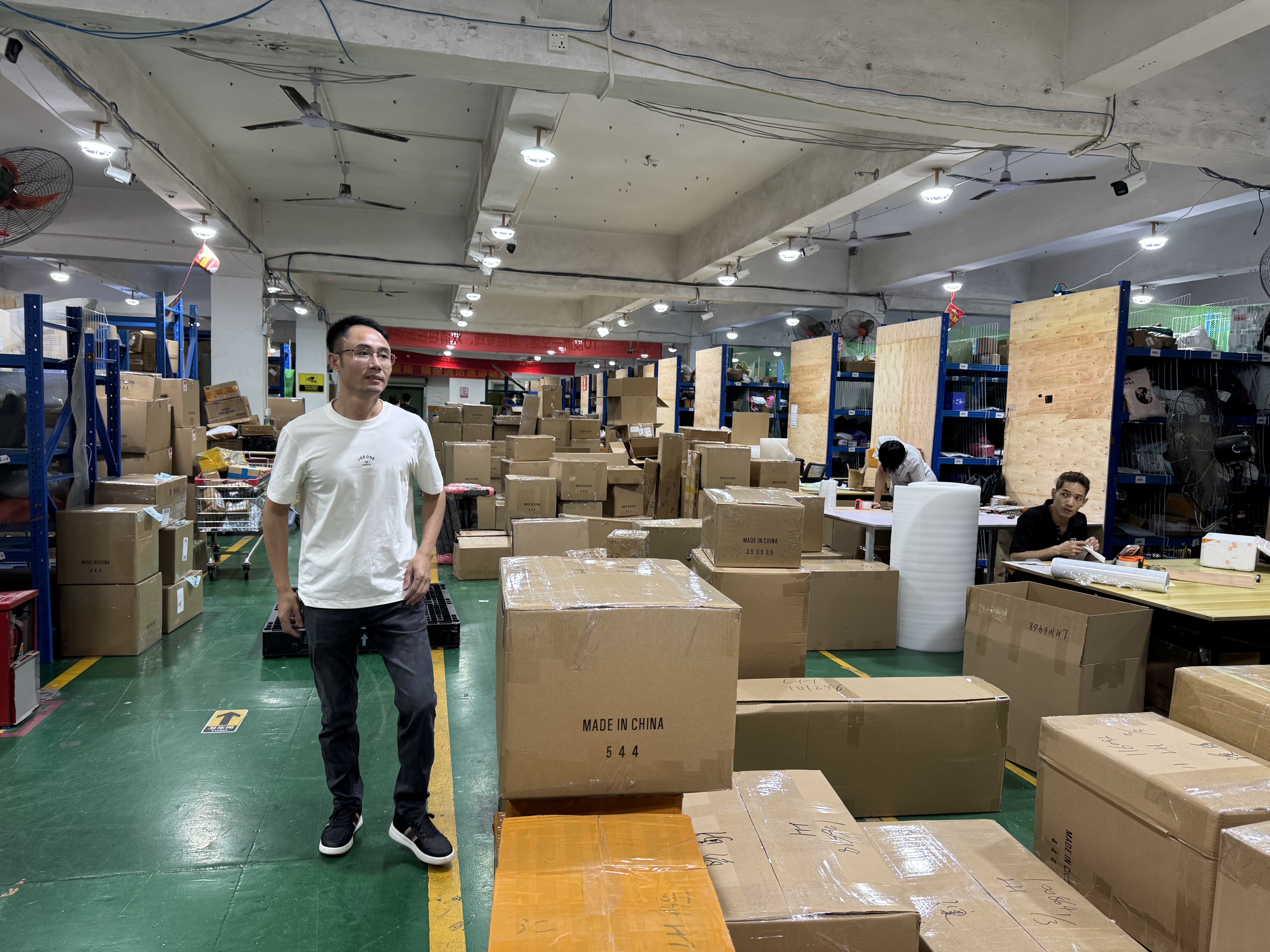
Hidden Charges in Container Usage Many small businesses are unaware of the hidden costs associated with shipping containers. In 2026, container rental fees, demurrage, and detention charges have become major sources of unexpected expenses. Demurrage is the fee charged for keeping the container at the port beyond the allotted free time, while detention fees apply when the container is kept at the consignee's premises for too long. I once had a client, an apparel importer, who rented a 20 - foot container to ship clothing from China. They underestimated the time needed to unload the container at their warehouse. As a result, they were hit with a detention charge of CAD 300 per day for an extra 4 days.Best Practices for Container Management Plan your container usage carefully. Coordinate with your shipping company to determine the appropriate container size and the optimal time for loading and unloading. Request an extension of the free time if possible. Keep an eye on the container's movement and ensure timely pick - up and return.
V. Ignoring Phytosanitary Regulations
The Dangers of Non - Compliance Phytosanitary regulations are in place to prevent the introduction of pests and diseases into Canada. In 2026, the Canadian Food Inspection Agency (CFIA) has increased its inspection of imported goods, especially those made of wood or plant materials. Failure to comply with these regulations can result in cargo quarantine, treatment, or even destruction. A home goods seller once shipped wooden furniture from China without proper phytosanitary certificates. When the goods arrived at Calgary, the CFIA found signs of potential pests. The entire shipment was quarantined, and the seller had to pay for expensive fumigation treatment.How to Comply If your goods contain wood or plant materials, make sure they have the necessary phytosanitary certificates. The exporter in China should have the goods inspected and treated as required by Canadian regulations. Provide the CFIA with all relevant documents and information in advance.
VI. FAQ
Q: How can I ensure that my goods are correctly valued for customs purposes? A: Consult with a professional customs broker or an experienced freight forwarder. They can help you understand the components of customs value and calculate it accurately based on international and Canadian regulations. Also, keep detailed records of all costs related to the goods, including shipping, insurance, and handling fees.Q: What should I do if my shipment is held up at the port due to documentation issues? A: First, communicate with your freight forwarder or customs broker immediately. They can usually help you rectify the problem quickly. Provide them with all the necessary information and relevant documents as soon as possible. In some cases, you may need to pay for expedited processing to release the shipment.
Q: How can I avoid high container - related charges? A: Plan your shipping schedule carefully. Coordinate with the shipping line to ensure timely loading and unloading. If possible, negotiate for an extension of the free time for container usage. Keep track of the container's whereabouts and return it promptly to the shipping company.
Q: What if I'm shipping sensitive goods that are subject to special regulations? A: Use a logistics provider that has experience in handling sensitive goods. For example, [盛达国际物流] offers a sensitive goods compliance line. They have established a dedicated compliance reporting channel to transport foods, cosmetics, energized products, liquids and pastes, and other compliant sensitive goods that are typically rejected by ordinary consolidation services. They can also help you avoid customs inspections, detentions, and other risks by filing the correct documentation in advance.
Q: Are there any specific regulations for shipping food products from China to Canada in 2026? A: Yes, the CFIA has strict regulations for imported food products. The food must meet Canadian safety and quality standards. You need to provide detailed product information, including the ingredients, production process, and storage conditions. The exporter in China should also have the necessary food export licenses. It's advisable to work with a logistics partner who has experience in handling food shipments.
As you navigate the China - Canada ocean freight market in 2026, being aware of these hidden traps and taking proactive measures to avoid them will save you time, money, and stress. Stay informed, work with reliable partners, and keep learning about the evolving regulations and industry trends.
