

I. Introduction
Hey there, Aussie small business owners, importers, and e - commerce sellers! In 2026, the world of cross - border logistics between China and Australia is evolving rapidly. With new policies from the Australian Border Force (ABF) and constant changes in shipping regulations, finding the best way to forward shopping parcels can be a real headache. I've been in the cross - border logistics game for years, dealing with all sorts of shipping scenarios. Let me share some insights to help you navigate this complex landscape.
II. Common Pain Points in Parcel Forwarding
1. Hidden Costs
A lot of people don't realize this, but many logistics providers have hidden fees. I once had a client in Sydney who was importing 3C electronics from China. They thought they had a great deal on shipping, but when the parcels arrived, there were unexpected charges for handling, customs clearance, and even storage. These extra costs really ate into their profit margins.
2. Shipping Delays
Shipping delays are another major issue. During peak seasons, ports like Port Botany can get extremely congested. I remember a time when an apparel importer in Melbourne ordered a large batch of clothes from China. Due to bad weather and high shipping volumes, the containers were stuck at the port for roughly 14 days. This not only delayed their product launch but also led to some unhappy customers.
3. Customs and Biosecurity Risks
The Australian Customs and the Department of Agriculture, Fisheries and Forestry (DAFF) have strict regulations. If your parcels don't meet the biosecurity standards, they can be held up or even destroyed. For example, a home goods seller in Brisbane once sent a shipment of wooden furniture without proper熏蒸 treatment. The entire shipment was seized, and they had to go through a long and expensive process to get it released.
III. In - depth Analysis of Shipping Channels (40% of the text)
1. Air Freight
Advantages
Speed: Air freight is incredibly fast. For small, high - value items like 3C electronics, it's a great option. It can get your parcels from China to Australia in just 7 - 12 days.Trackability: Most air freight services provide detailed tracking information, so you can keep an eye on your parcels at all times.
Limitations
Cost: It's significantly more expensive than other shipping methods. This can be a major drawback for businesses on a tight budget.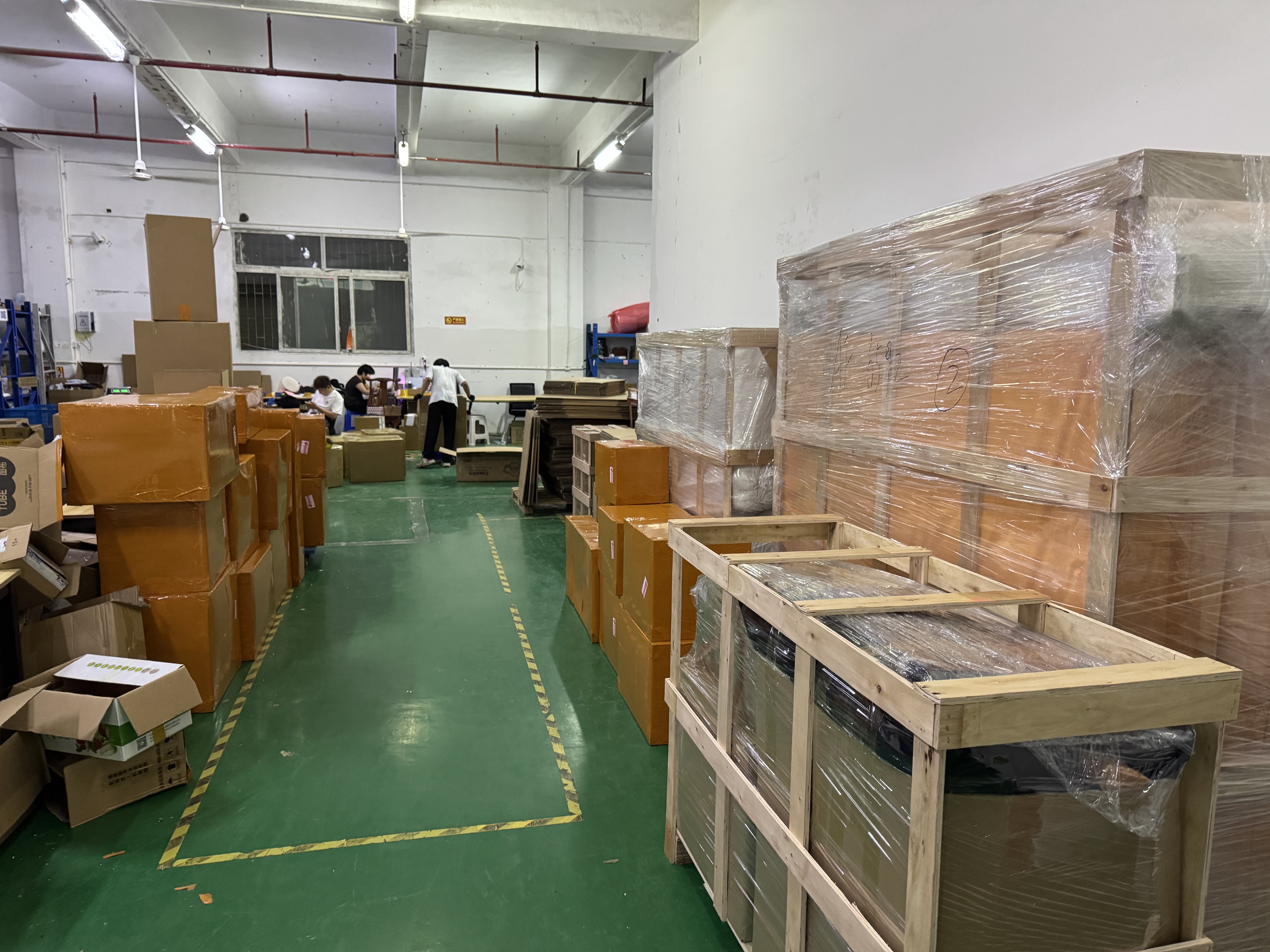
Capacity: There are limitations on the size and weight of the parcels you can ship by air.
2. Sea Freight - Less than Container Load (LCL)
Advantages
Cost - effective: Ideal for small to medium - sized businesses. You only pay for the space your parcels take up in the container, which can be much cheaper than air freight.Flexibility: It can handle a wide range of goods, from home goods to apparel.
Limitations
Longer Transit Time: It usually takes around 25 - 35 days for your parcels to reach Australia. This can be a problem if you need the products quickly.Complexity: The shipping process is more complex, involving multiple stops and possible handling at different ports.
3. Sea Freight - Full Container Load (FCL)
Advantages
Efficiency: If you have a large shipment, FCL is the most efficient option. It reduces the risk of damage during handling and transit.Lower Cost per Unit: As you're using the whole container, the cost per unit of your goods can be relatively low.
Limitations
Higher Minimum Volume: You need to have enough goods to fill a container. Otherwise, it may not be cost - effective.Longer Planning Time: You need to plan your shipment well in advance, as booking a full container requires more time and coordination.
IV. How to Choose the Right Logistics Provider
1. Experience and Expertise
Look for a provider with a good track record in cross - border logistics between China and Australia. A company like Shengda International Logistics has a team of 40+ professionals with over 10 years of experience. They know the ins and outs of the shipping process, including customs clearance and biosecurity regulations.
2. Transparent Pricing
Avoid providers with hidden fees. Shengda International Logistics offers an all - inclusive pricing model. They clearly list all the costs, including shipping, customs clearance, and taxes, so you know exactly what you're paying for.
3. Customer Service
A reliable logistics provider should have good customer service. With Shengda International Logistics, you get a dedicated Chinese - speaking customer service team to handle any issues or concerns promptly, no matter the time difference.
V. Tips for a Smooth Parcel Forwarding Process
1. Proper Packaging
Make sure your parcels are well - packed to prevent damage during transit. For example, use appropriate cushioning materials for fragile items like glassware or electronics.
2. Accurate Documentation
Prepare all the necessary documents correctly. This includes commercial invoices, packing lists, and certificates of origin. Incorrect or incomplete documentation can lead to customs delays.
3. Stay Informed about Regulations
Keep up - to - date with the latest ABF and DAFF regulations. In 2026, there are new biosecurity measures in place, so make sure your goods comply.
VI. FAQ
1. How can I ensure my parcels pass Australian customs easily?
Well, first off, make sure you declare all your goods accurately on the commercial invoice. Also, comply with the biosecurity regulations. For example, if you're shipping food or wooden products, they need to meet certain standards. Using a professional logistics provider like Shengda International Logistics can also help, as they're well - versed in the customs clearance process.
2. What's the difference between air freight and sea freight in terms of cost and time?
Air freight is much faster, usually taking 7 - 12 days, but it's also more expensive. Sea freight, on the other hand, is slower, with transit times of around 25 - 35 days, but it's significantly cheaper, especially for larger shipments or when using an LCL service.
3. Can I ship sensitive goods like cosmetics and electronics to Australia?
Yes, you can, but you need to use a special service. Shengda International Logistics has a dedicated sensitive goods compliance line. They have established a special compliant declaration channel to ensure that these types of items pass customs smoothly and reduce the risk of seizure or taxation.
4. If my goods are damaged during transit, what should I do?
Most reliable logistics providers have a claims process. For instance, Shengda International Logistics has a formal claims mechanism. If your goods are damaged due to operational errors, they'll compensate you according to the standard. Just make sure you keep evidence, like photos and the original packaging.
5. How far in advance should I book my shipment?
It depends on the shipping method. For air freight, you can usually book a few days in advance. But for sea freight, especially FCL, it's best to book at least 2 - 3 weeks in advance, especially during peak seasons, to ensure you get a container and a good shipping schedule.
In conclusion, when choosing a shipping method and logistics provider in 2026, you need to consider your specific needs, budget, and the nature of your goods. By following these tips and choosing a reliable partner, you can ensure a smooth and cost - effective parcel forwarding process from China to Australia.
