

I. Introduction
In 2026, buying products from China and shipping them to Canada has become a common practice for many small business owners, importers, and e - commerce sellers. But how can you ensure a smooth, cost - effective, and timely process? Let me share some insights from my years of first - hand experience in China - Canada cross - border logistics.
I remember a client back in 2024, a 3C electronics seller from Vancouver. He ordered a large batch of smartphones from China. However, the shipping process was a nightmare due to improper logistics arrangement. The products were stuck at customs for weeks, and by the time they finally reached the seller, the new smartphone models had already hit the market, causing significant financial losses. This is just one of the many examples that highlight the importance of choosing the right shipping method.
II. Shipping Channels Analysis (40% of the article)
1. Air Freight
Advantages: Fast delivery: Air freight is the fastest option. Typically, it takes about 7 - 12 days for the goods to be delivered to Canada. For time - sensitive products like electronics or high - fashion apparel, this is a major advantage. For example, a 3C electronics seller in Toronto might need to quickly restock the latest smartphones to meet the market demand. Air freight can get these products on the shelves in a short time.High flexibility: It can handle a wide range of product quantities, from small parcels to medium - sized shipments.
Better tracking: Most airlines offer real - time tracking, allowing you to monitor the status of your goods at all times.
Disadvantages: High cost: Air freight is generally more expensive than other shipping methods. For example, shipping a cubic meter of goods by air can cost around 5 - 10 times more than by sea.
Limited capacity: Airlines have weight and size restrictions, which can be a problem for large or heavy items.
2. Sea Freight
A. Full Container Load (FCL)
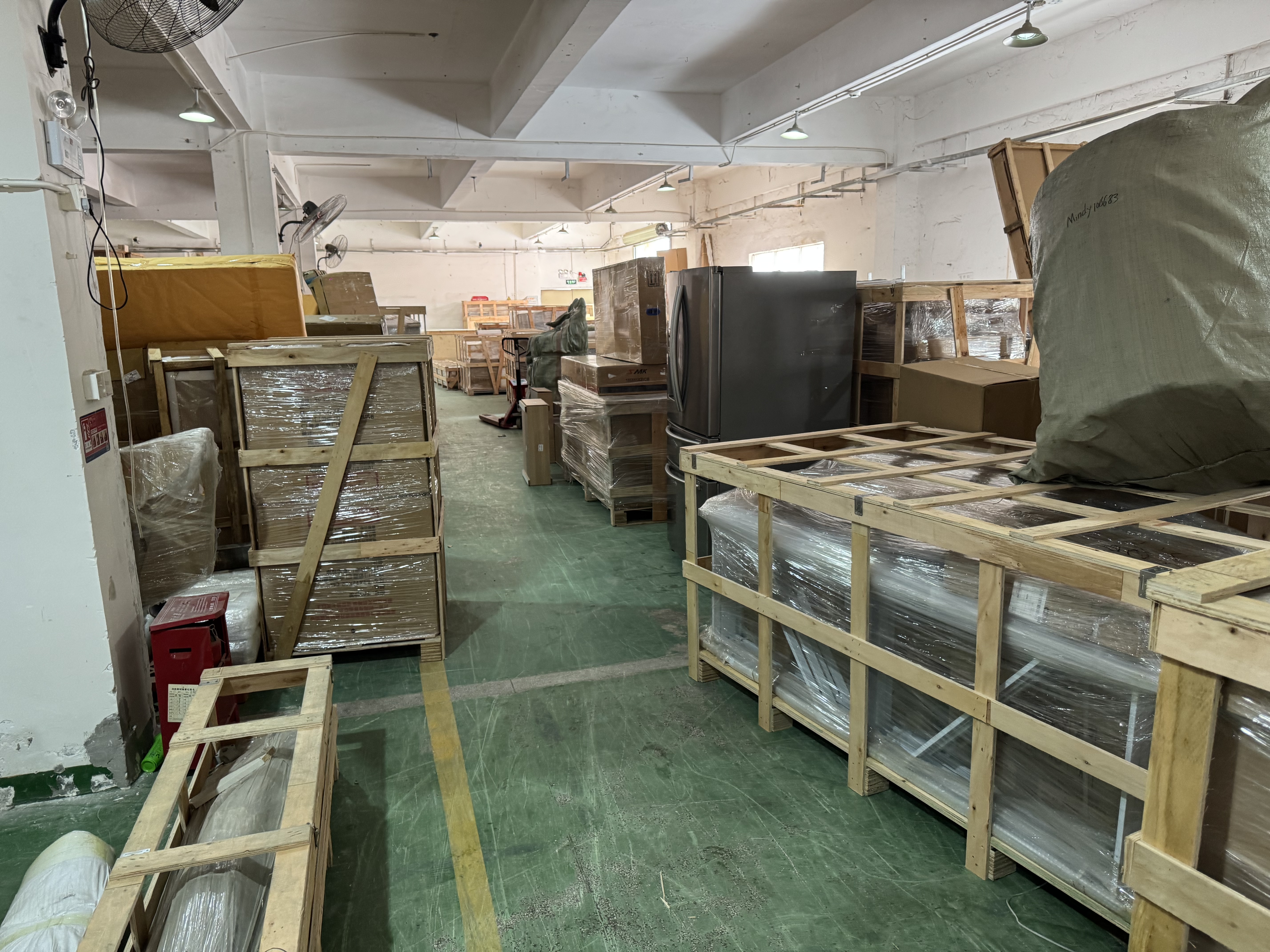
Less handling: Since the container is dedicated to your goods, there is less handling during transit, reducing the risk of damage.
Disadvantages: Longer transit time: It usually takes around 25 - 35 days for the goods to arrive in Canada, which is not suitable for urgent orders.
High minimum volume requirement: You need to have enough goods to fill a container, or you may end up paying for unused space.
B. Less than Container Load (LCL)
Advantages: Suitable for small shipments: If you don't have enough goods to fill a container, LCL allows you to share the container space with other shippers. This is a great option for small - business owners who are just starting to import goods.Lower cost for small quantities: Compared to air freight, LCL can be a much more affordable option for small shipments.
Disadvantages: More handling: Your goods will be loaded and unloaded multiple times during transit, increasing the risk of damage.
Uncertain delivery time: Since the container needs to wait for other shippers' goods to be loaded and unloaded, the delivery time can be less predictable.
III. 2026 Policy Updates Affecting China - Canada Cross - border Logistics
In 2026, there have been several policy changes that you need to be aware of. The Canadian Border Services Agency (CBSA) has tightened its inspection procedures, especially for food and electronics. The Canadian Food Inspection Agency (CFIA) requires more detailed documentation for food products, including the origin, ingredients, and production process.
For electronics, the Harmonized System (HS) codes need to be accurately declared. Incorrect or incomplete declarations can lead to delays at customs. For example, a 3C electronics seller in Calgary once failed to accurately declare the HS codes of a new type of smartwatch, and the shipment was held at customs for over a week for further inspection.
IV. How to Choose the Right Logistics Provider
1. Experience and Reputation
Look for a logistics provider with a good track record in China - Canada cross - border logistics. Check online reviews and ask for references from other importers. A company with years of experience is more likely to handle problems smoothly.
2. Service Range
Make sure the provider offers the services you need. For example, if you are shipping sensitive goods like food or electronics, they should have a special compliance channel. Some providers also offer value - added services such as free warehousing, cargo insurance, and customs clearance assistance.
3. Cost - effectiveness
Compare the quotes from different providers. However, don't just focus on the price. Consider the overall cost, including any hidden fees. A provider like Shengda International Logistics offers transparent pricing, with all fees clearly stated upfront.
V. FAQ
What is the most cost - effective shipping method for small - quantity orders? For small - quantity orders, LCL sea freight is usually the most cost - effective option, especially if time is not a critical factor. It allows you to share the container space with other shippers, reducing the cost per unit. However, if you need the goods urgently, air freight might be a better choice despite the higher cost.
How can I avoid customs issues? Accurately declare the HS codes, value, and quantity of your goods. Provide all the necessary documentation, such as invoices, packing lists, and certificates of origin. If you are shipping sensitive goods, make sure to follow the specific regulations of the CFIA and CBSA. Working with an experienced logistics provider who is familiar with the customs process can also help you avoid many potential issues.
Can I track my shipment? Most logistics providers offer tracking services. You can usually track your shipment through their online platform or mobile app. For air freight, airlines also provide real - time tracking information. Make sure to ask your logistics provider about the tracking options available.
What should I do if my goods are damaged during transit? If your goods are damaged, immediately contact your logistics provider. They usually have a claims process. Make sure to provide evidence of the damage, such as photos and the original packing list. Reputable logistics providers like Shengda International Logistics have a standard compensation mechanism for damaged or lost goods.
How long does it take to clear customs? Customs clearance time can vary depending on many factors, such as the type of goods, the accuracy of the documentation, and the current inspection workload. In normal circumstances, it can take 1 - 3 days. However, for sensitive goods or if there are issues with the documentation, it may take longer.
In 2026, buying from China and shipping to Canada requires careful planning and the right choice of logistics methods and providers. By understanding the different shipping channels, staying updated on the latest policies, and choosing a reliable partner, you can ensure a successful cross - border trading experience.
